
1910
A plan for a Mexican Industrial School
The Texas-Mexican Presbytery and the Western Presbytery present a plan to establish a Mexican Industrial School for boys; the plan is approved.
Texas Historical Commission marker 17274 (2012)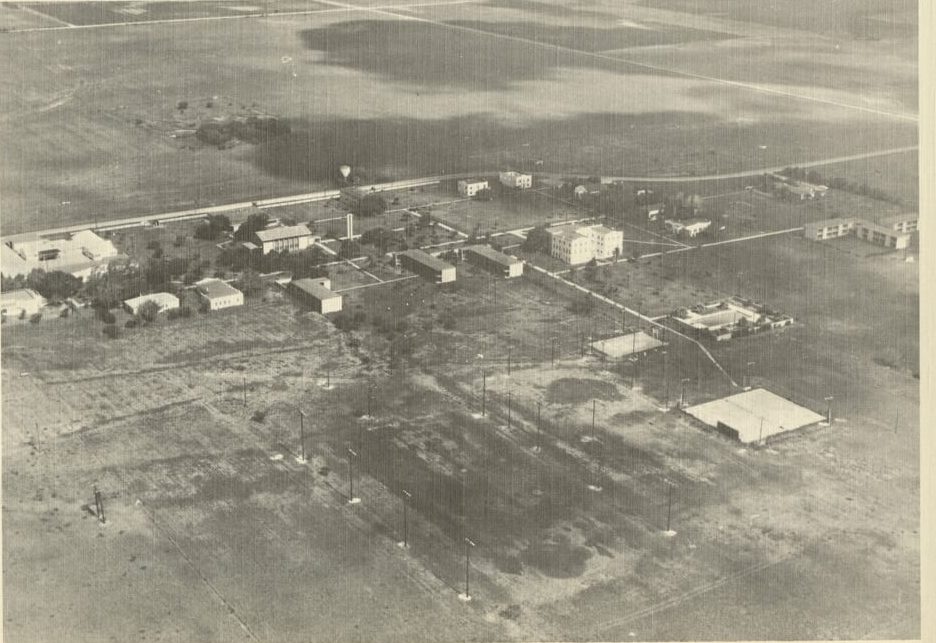
A boys’ school built by its own students. A girls’ school in Taft. A merger, an architect, a domed gym, a centennial. This is the school’s story as the yearbooks and the public record tell it — every fact cites a yearbook page or a public source.
A church, a ranch, and an idea.
Mexican-American Presbyterian congregations began to appear in Texas in the last decade of the nineteenth century. With the population increase that followed the Mexican Revolution, the church began to assess the need for educational opportunities for immigrants — and remembered two earlier attempts, Aranama College at Goliad and Melinda Rankin's school for girls at Brownsville, that had closed.
Texas Historical Commission marker 17274 (2012)·Juntos 1963, p. 8The Texas-Mexican Presbytery and the Western Presbytery present a plan to establish a Mexican Industrial School for boys; the plan is approved.
Texas Historical Commission marker 17274 (2012)Henrietta M. King — widow of Captain Richard King, founder of the King Ranch, and daughter of Rev. Hiram Chamberlain, the first Presbyterian minister in the Rio Grande Valley — offers land south of Kingsville for the school. The Kingsville Chamber of Commerce adds sixty acres.
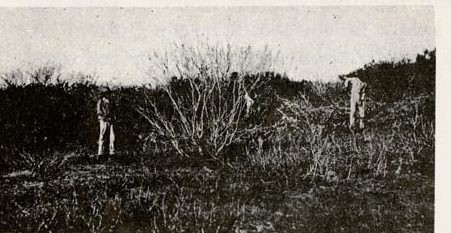
A boys' school built by its own students.
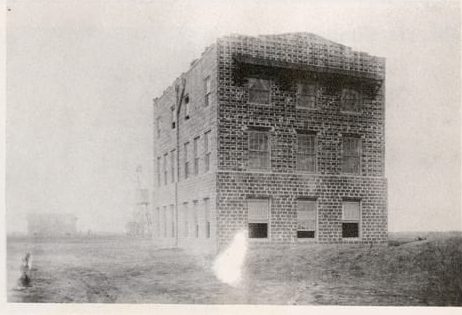
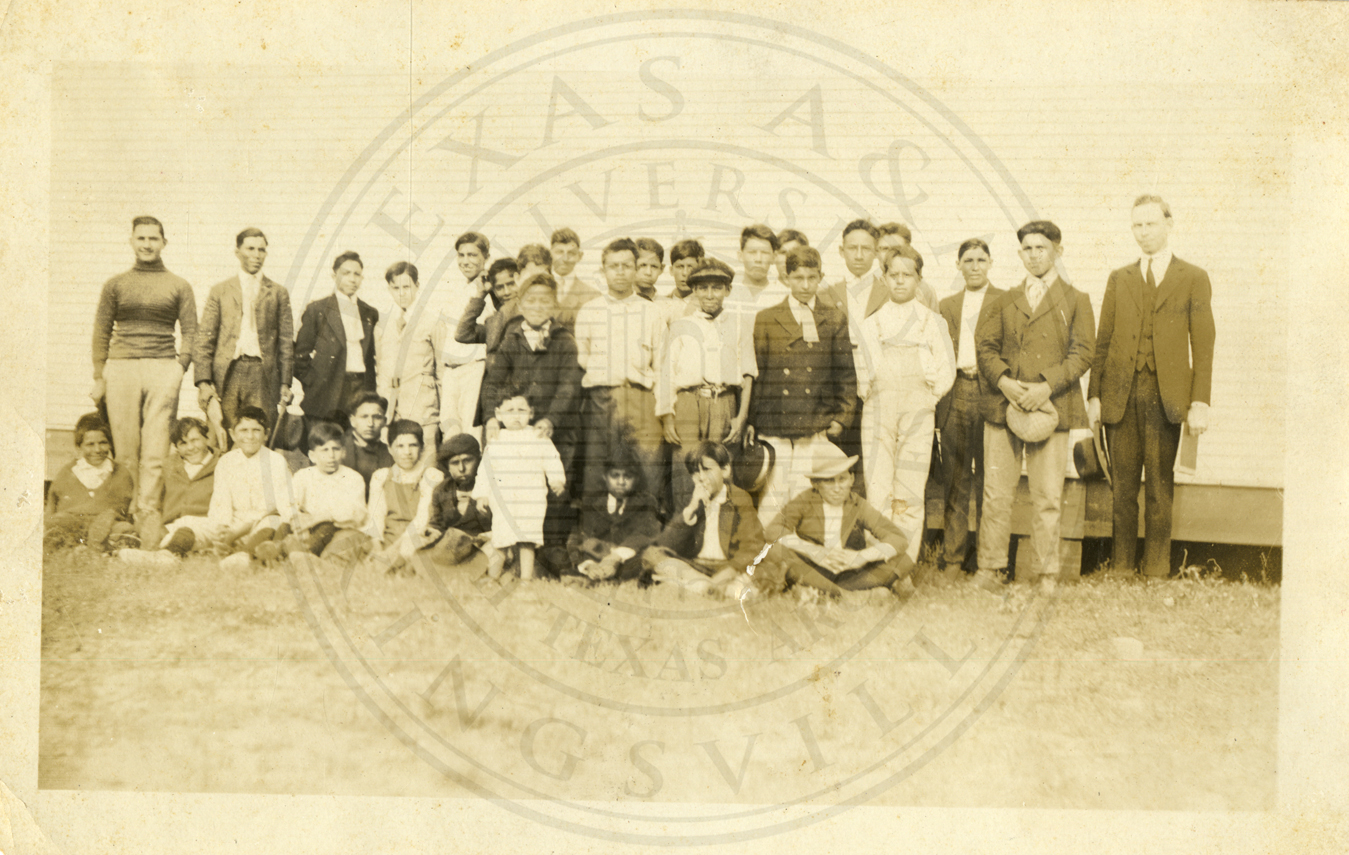
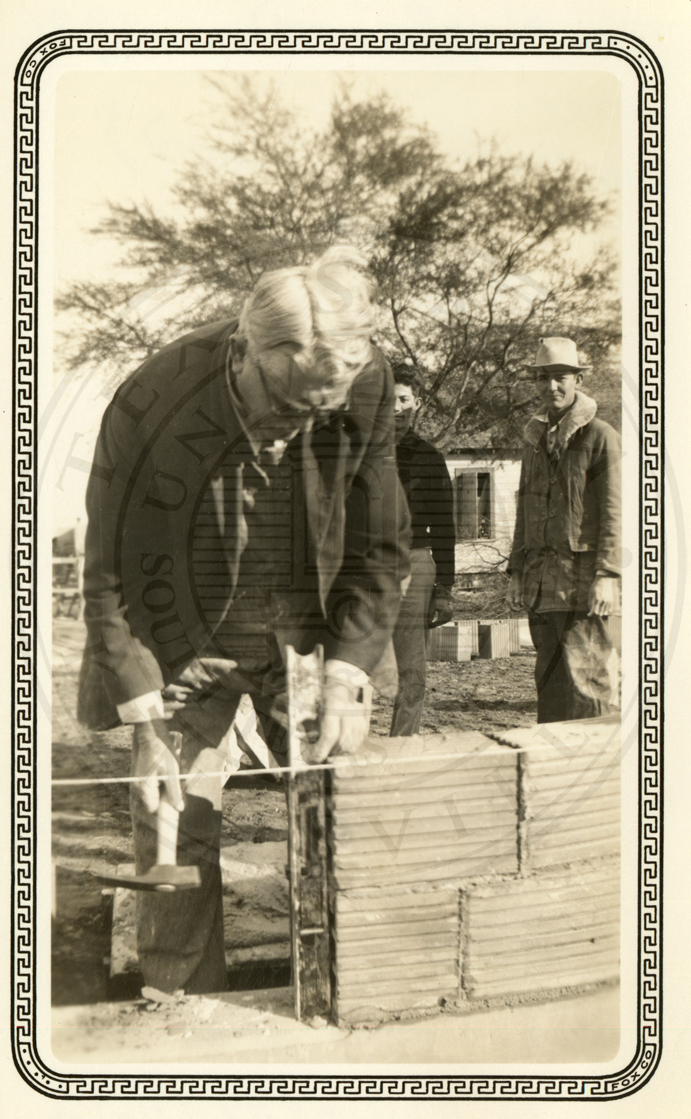
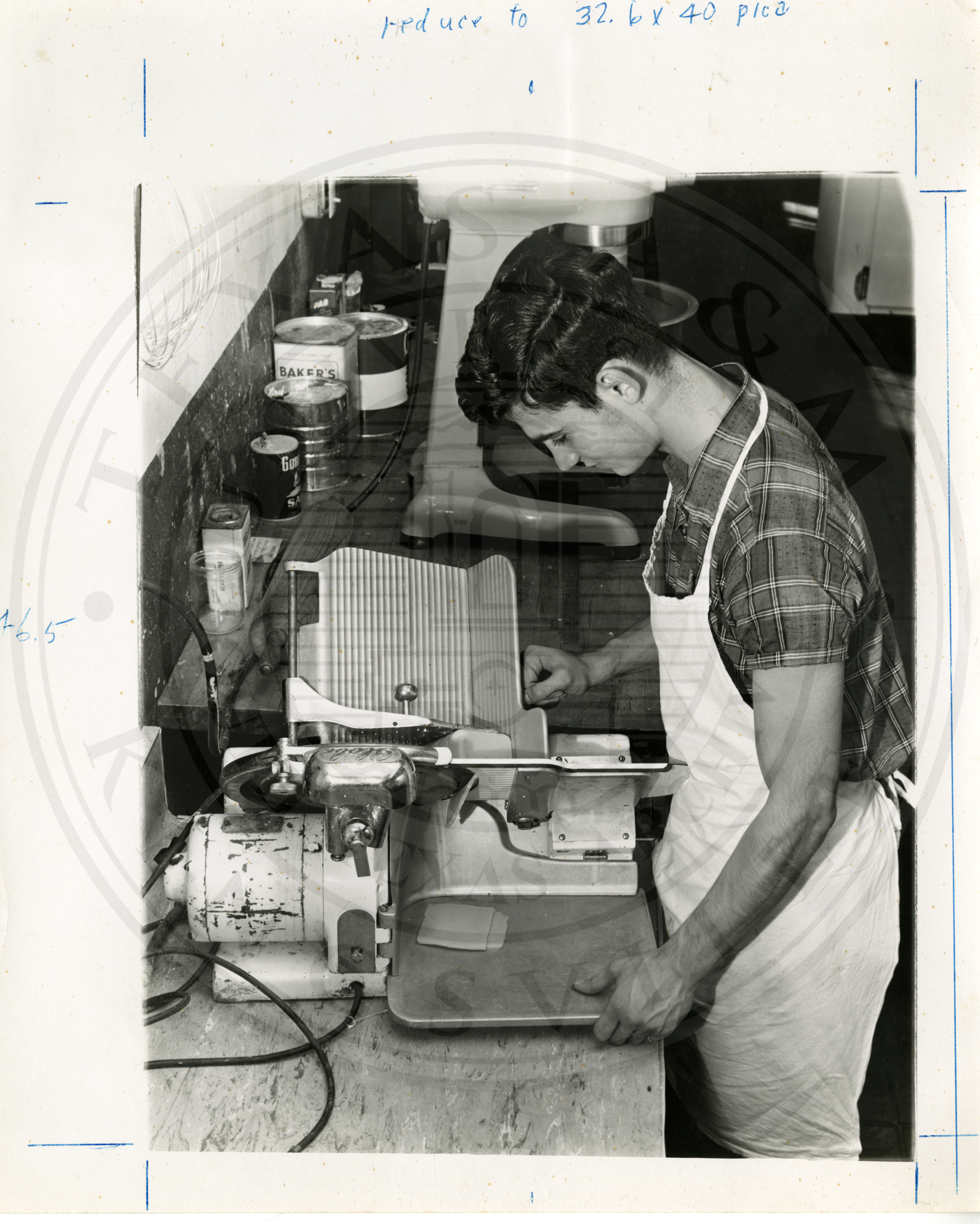
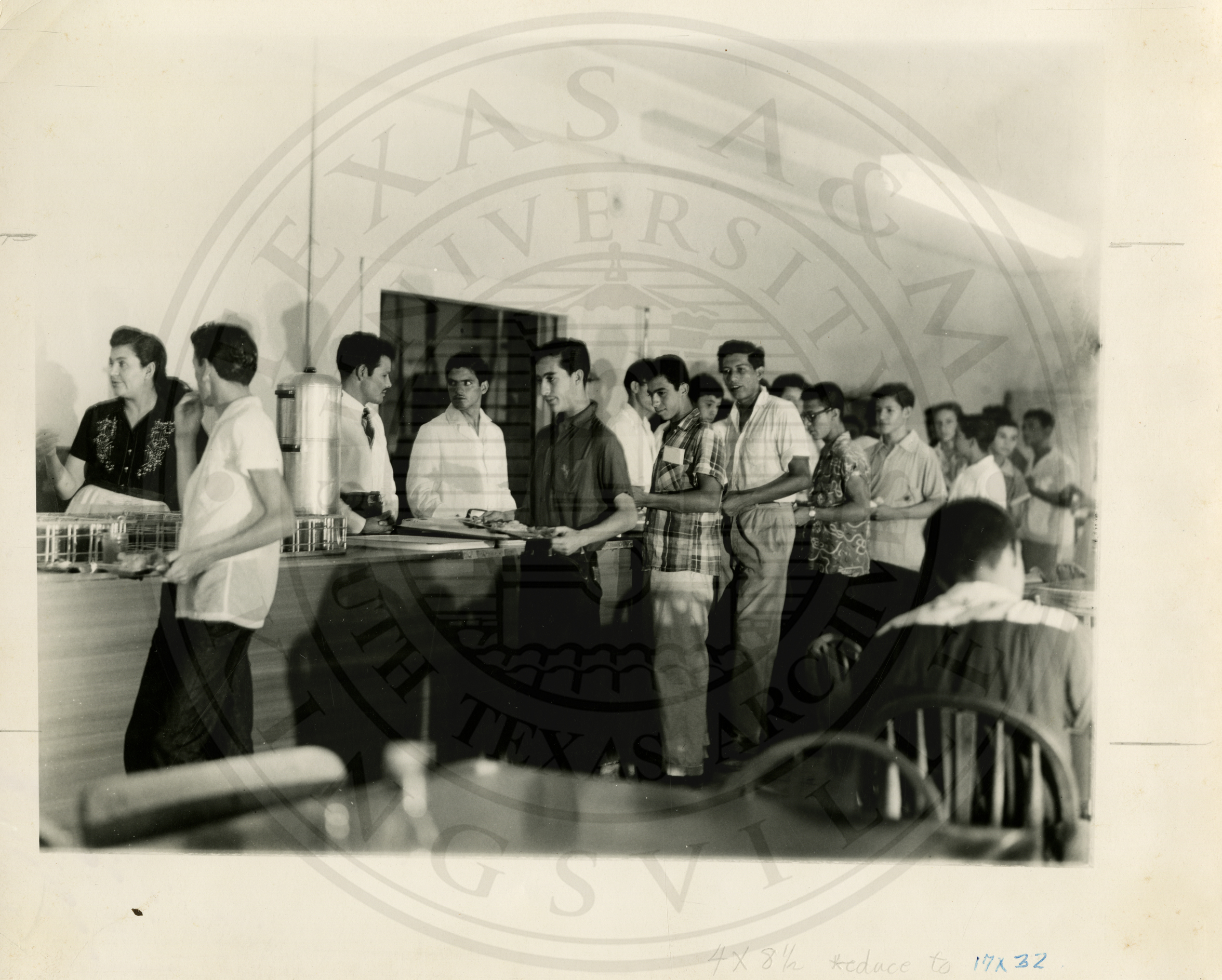
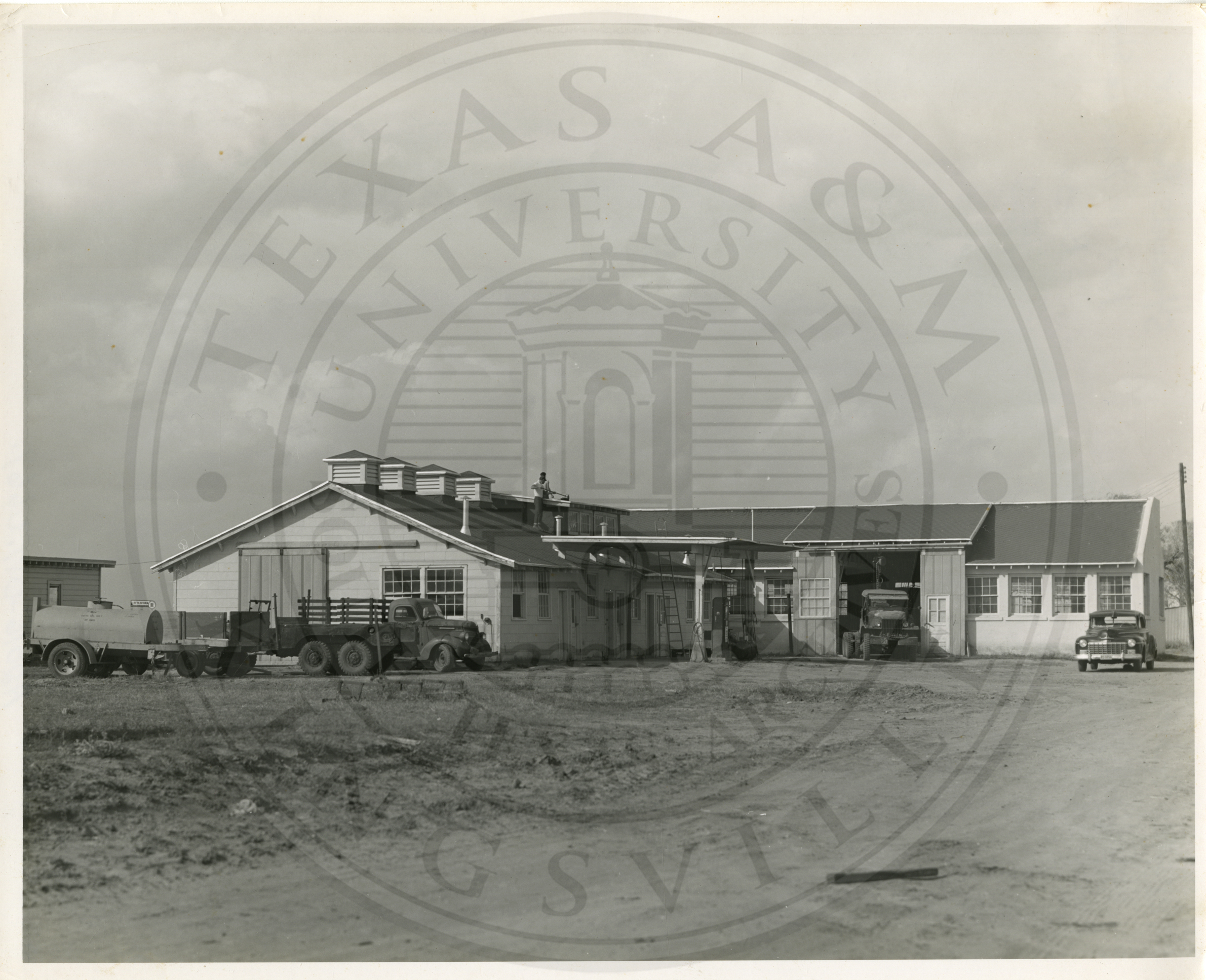
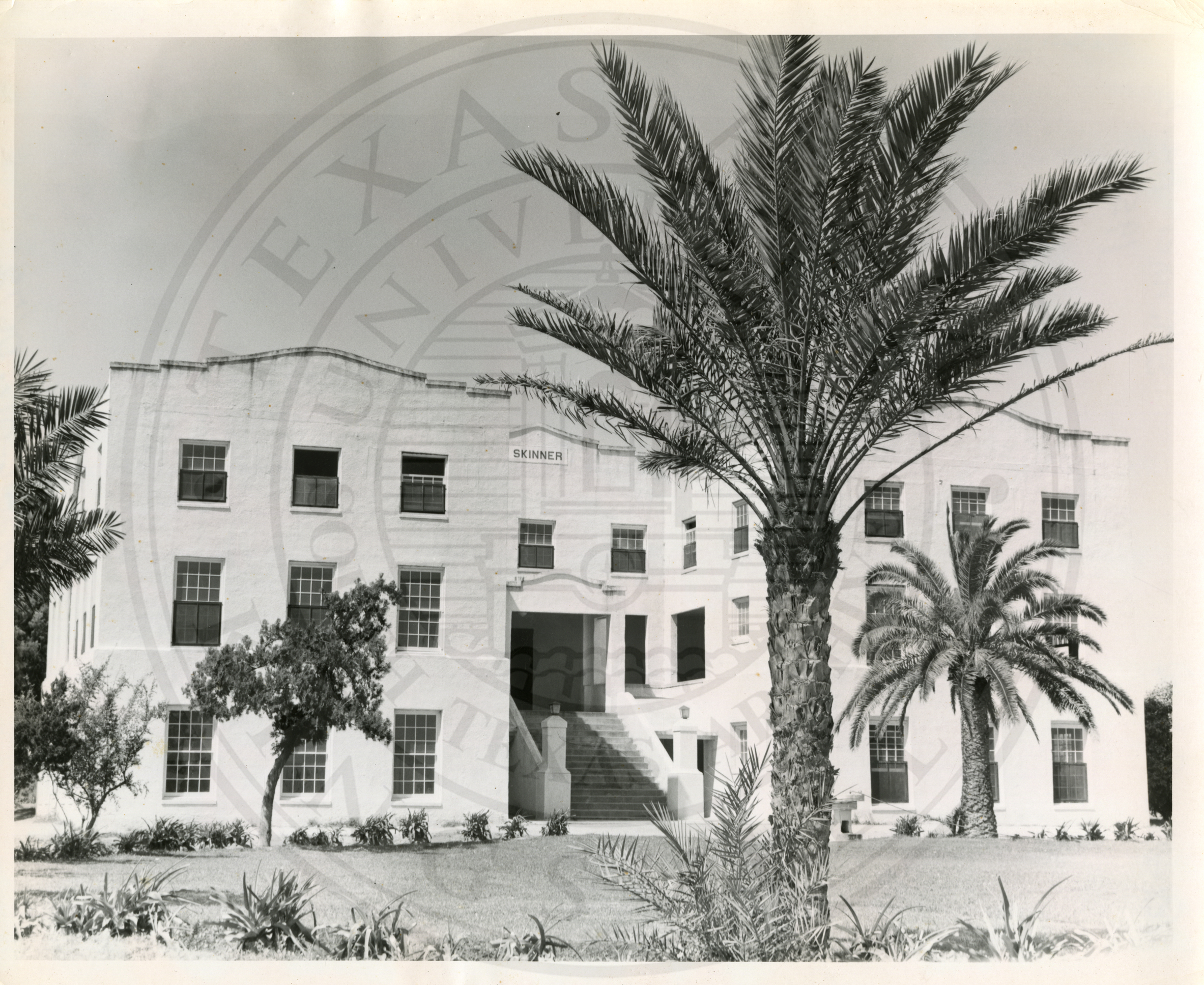
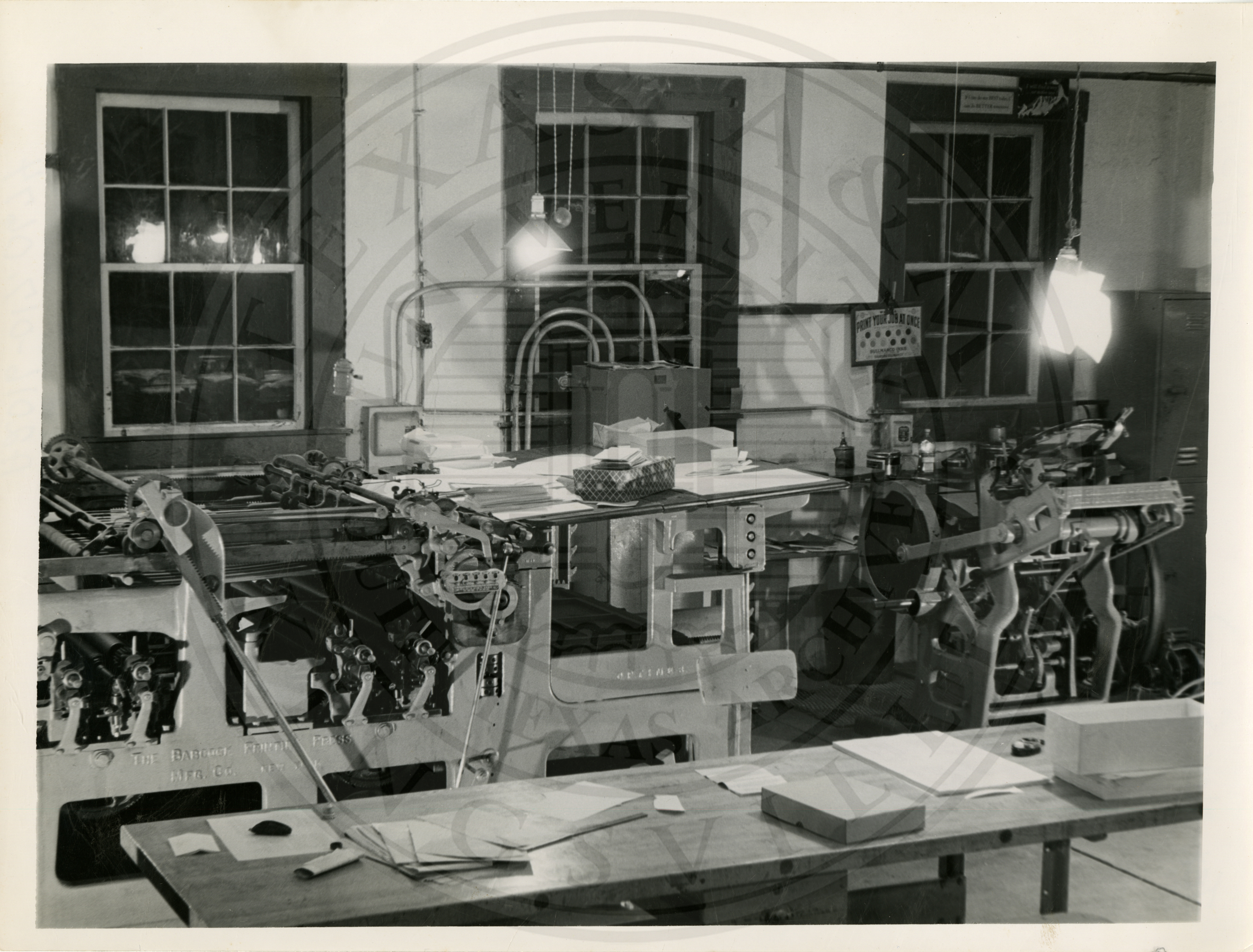
The Texas-Mexican Industrial Institute opened in October 1912 on land given by Henrietta King. Half a day of classes, half a day of work: dairy, gardens, citrus, woodworking, metal, printing and machine shops. Under Skinner and then McLane it grew from forty-nine students and one teacher to a hundred boys, survived drought, hurricanes and the Depression, and put up the Dallas Dormitory, the Skinner Building and a dining hall of hollow tile.
Handbook of Texas — Texas Mexican Industrial Institute·Texas Historical Commission marker 17274 (2012)·Juntos 1963, p. 8“Never before had the Presbyterian Church provided educational opportunities for both Hispanic and Anglo-American students.”
— The Story of Pan Am, Juntos 1988
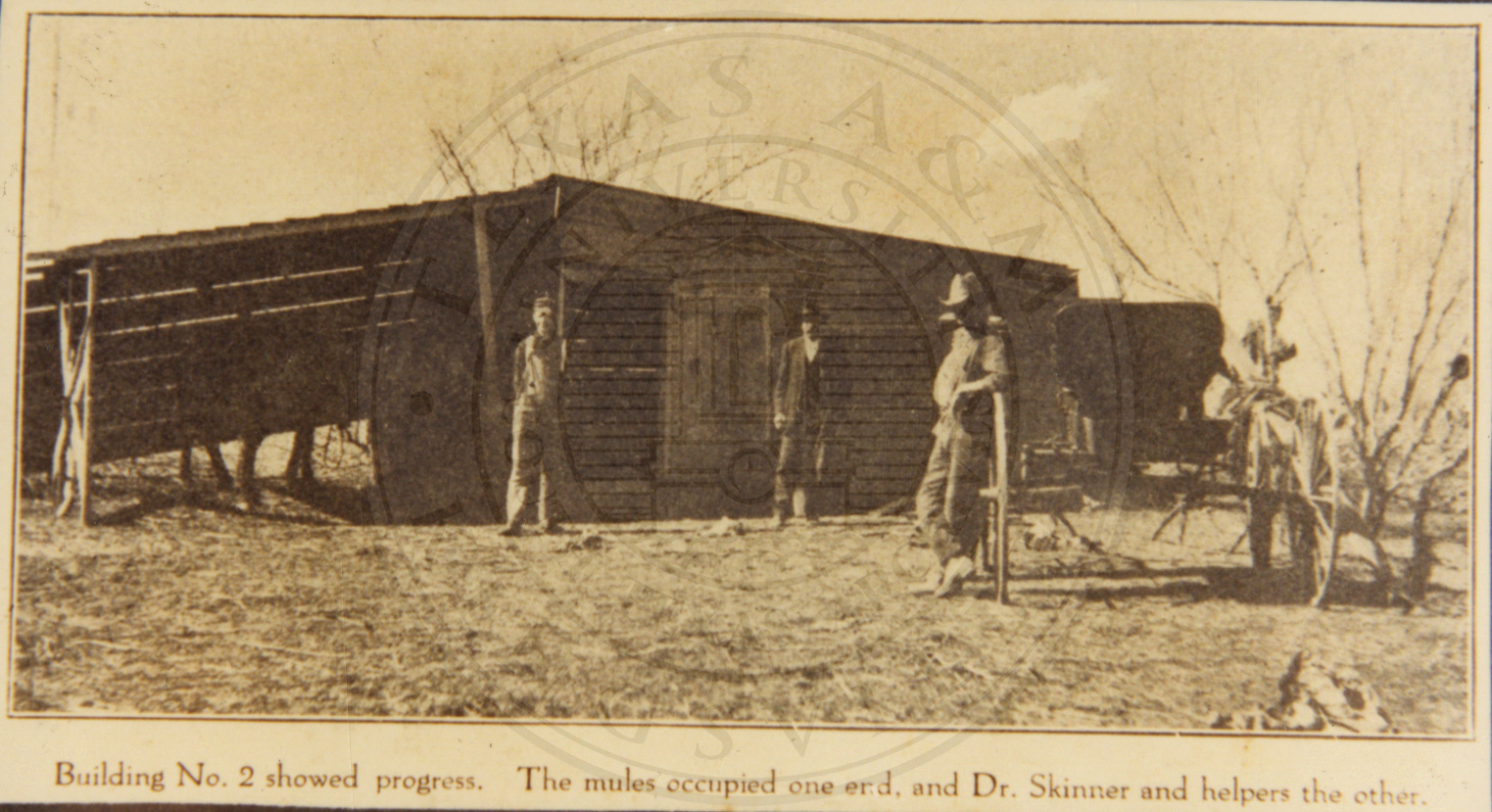
Classes begin in October at the Texas-Mexican Industrial Institute with 49 students, six of them girls, and one teacher. Rev. James W. Skinner and his students clear and fence the mesquite; sheds meant for shops and barns serve as schoolhouse, dining hall and dorm. After the first year it becomes a boys' school.
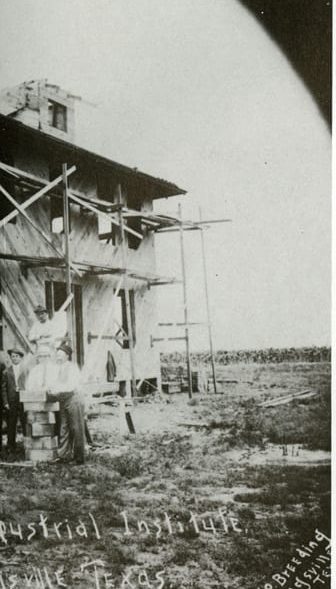
A panoramic photograph shows the first frame buildings in a line on the flat. In January Skinner writes to S. Brooks McLane, challenging him to come — and to expect hard work.

The first permanent dormitory, of hollow tile, is built with money from Dallas Presbyterians.
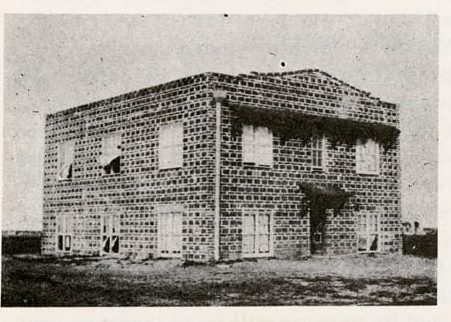
The first wing of the Skinner Building goes up, and a new dining hall replaces the shed.
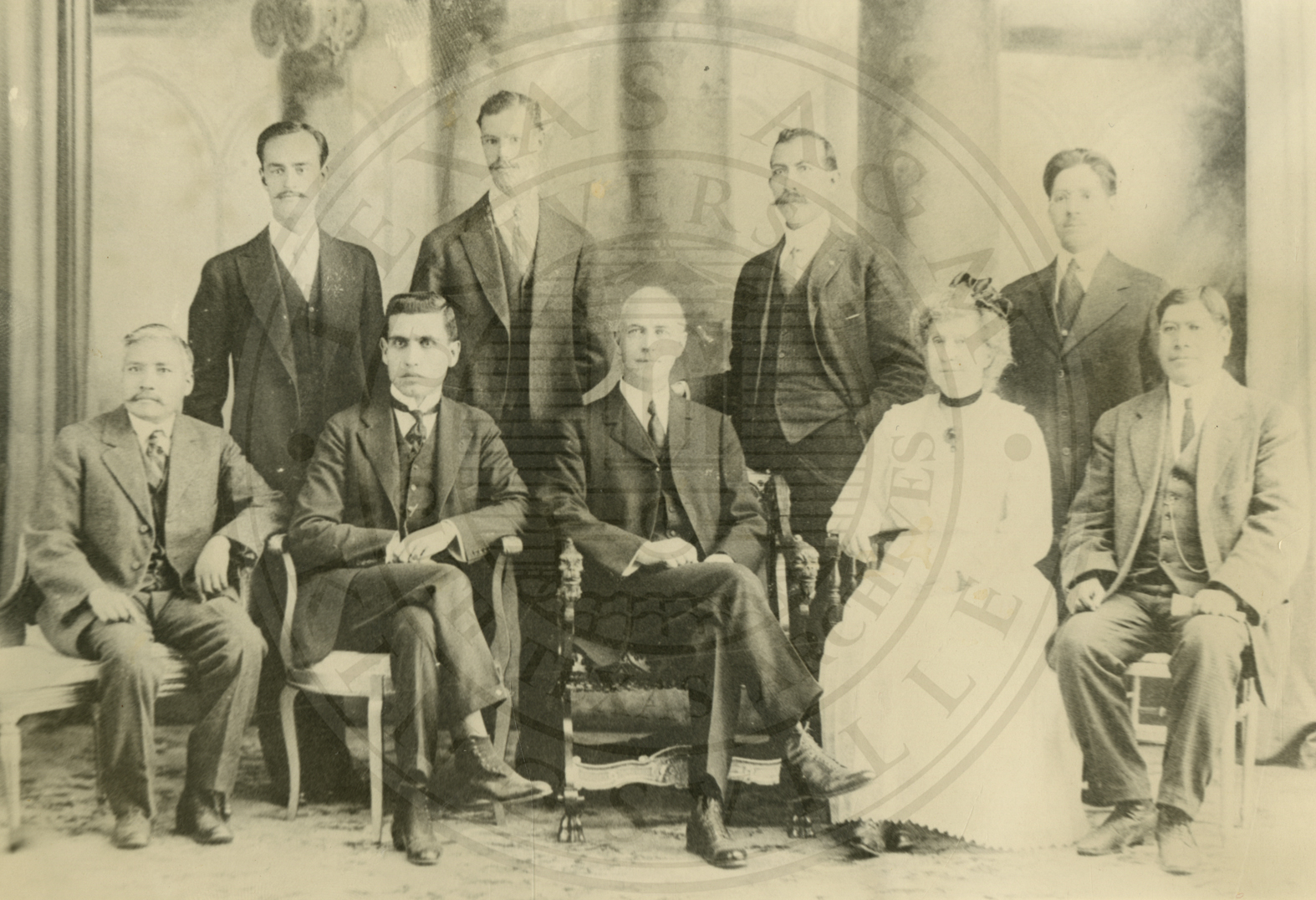
The founder dies in office. S. Brooks McLane, the man he recruited in 1914, becomes Tex-Mex's second president.
Handbook of Texas — Texas Mexican Industrial Institute·ppas.org — HistoryEnrollment at Tex-Mex reaches 100.
Administrator, teacher and registrar, Perry Reed will live on campus for more than thirty years; the 1977 Juntos is dedicated to him, he retires in 1983, and the dining hall carries his name.
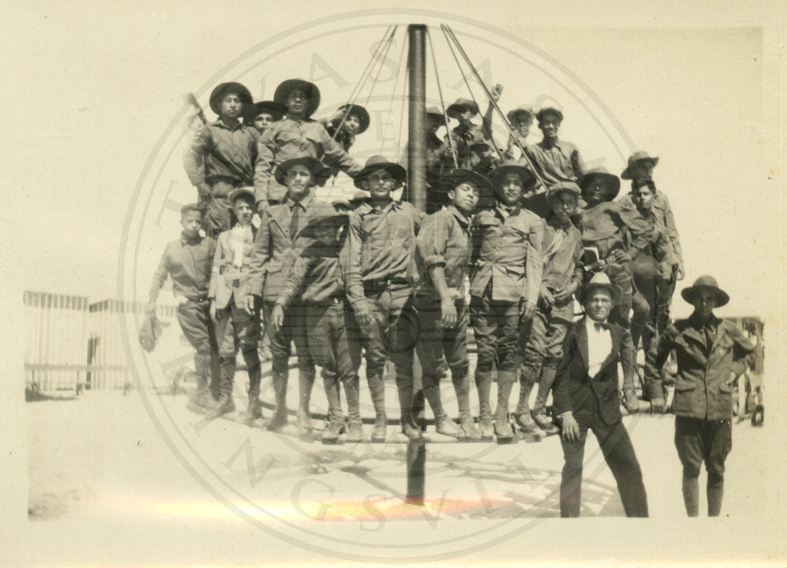
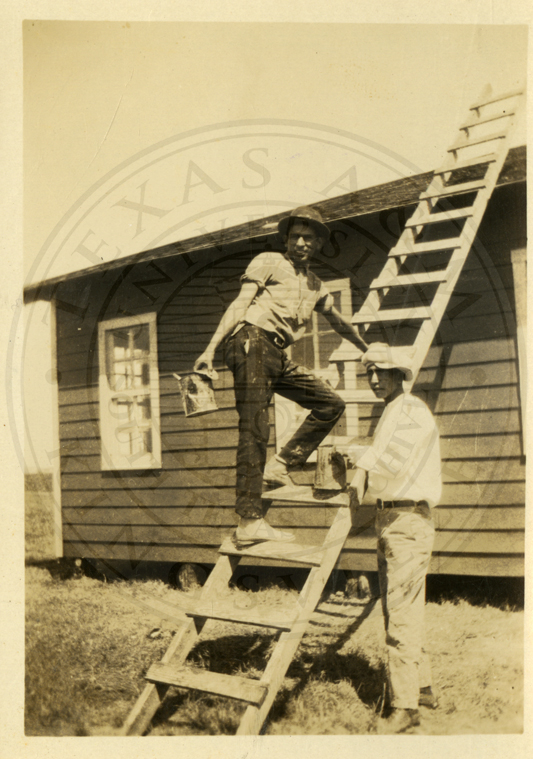
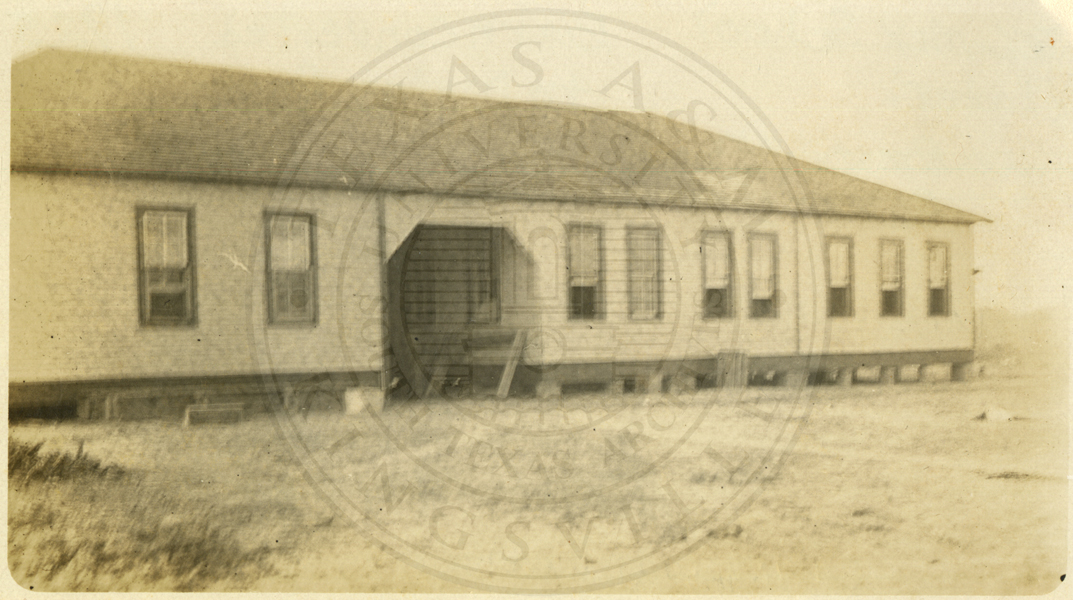
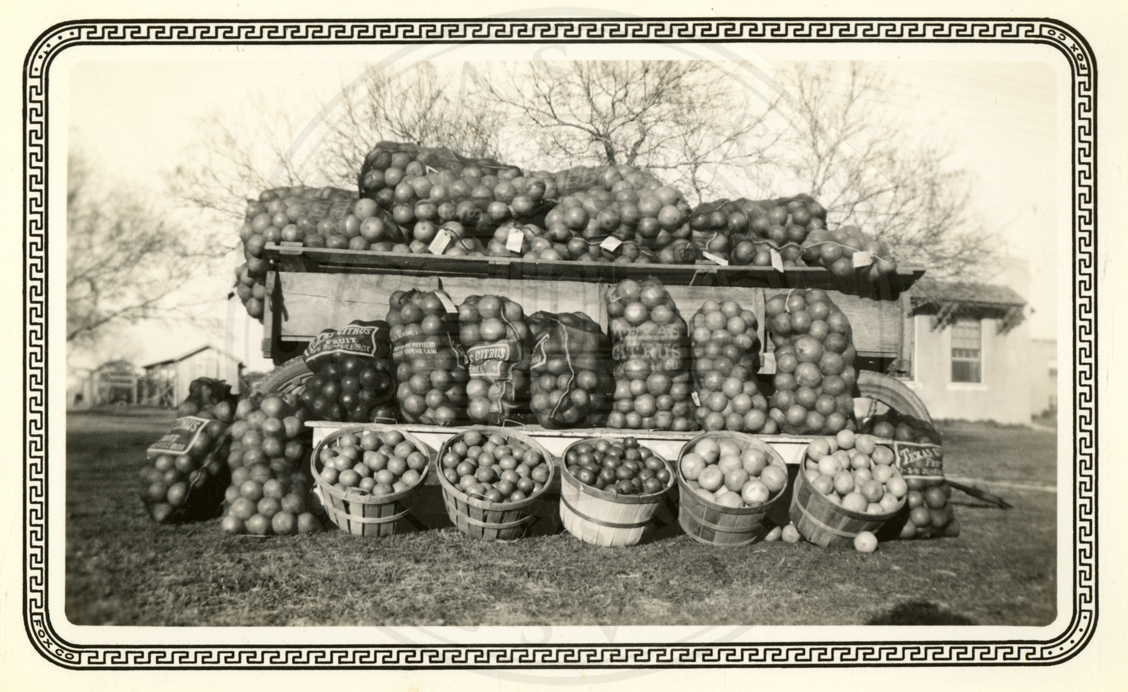
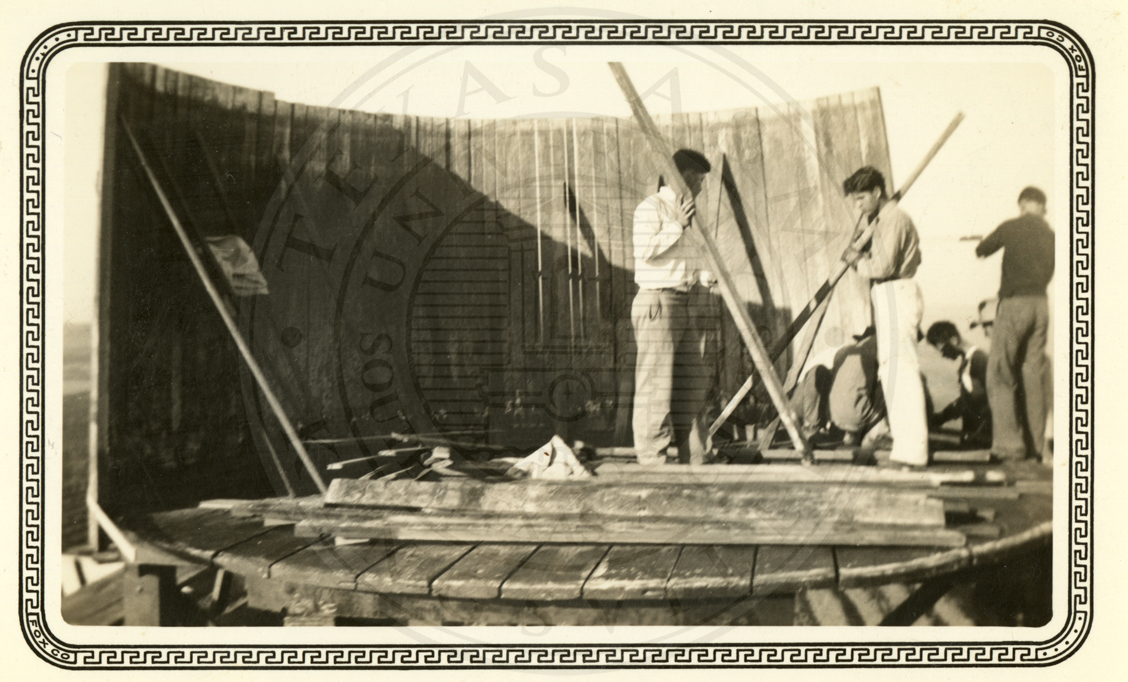
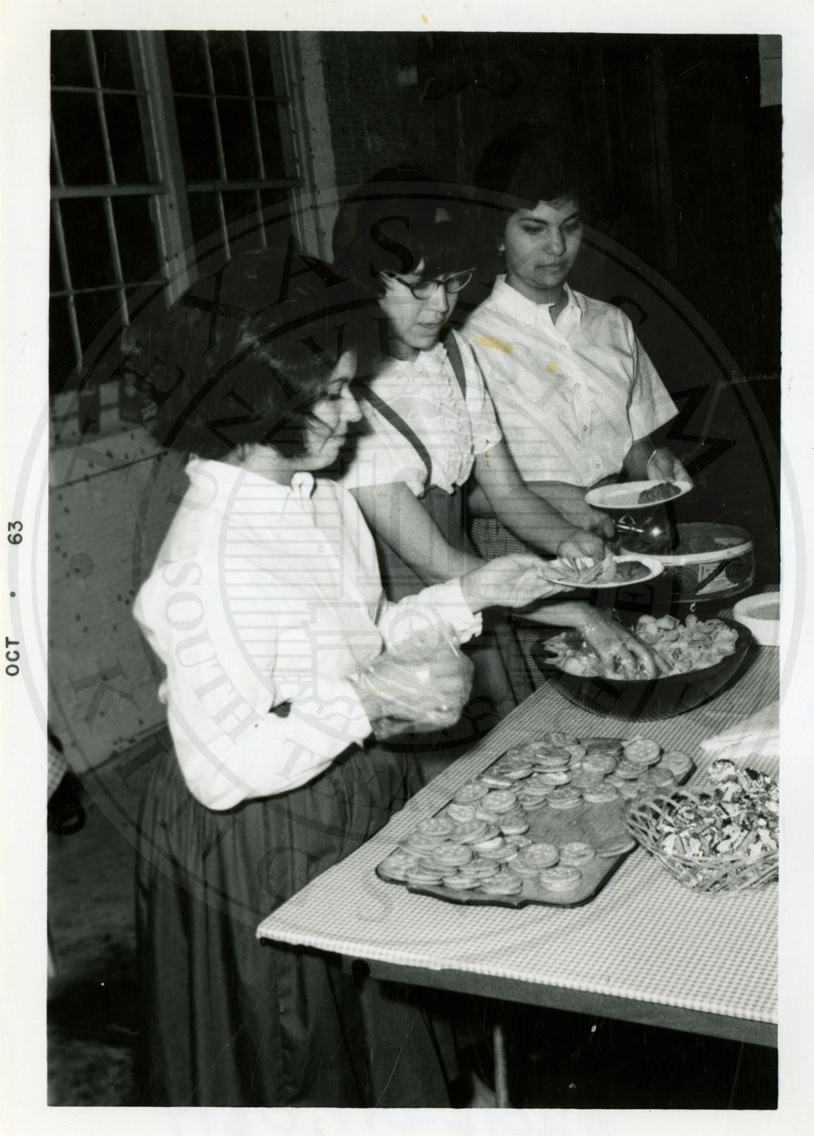
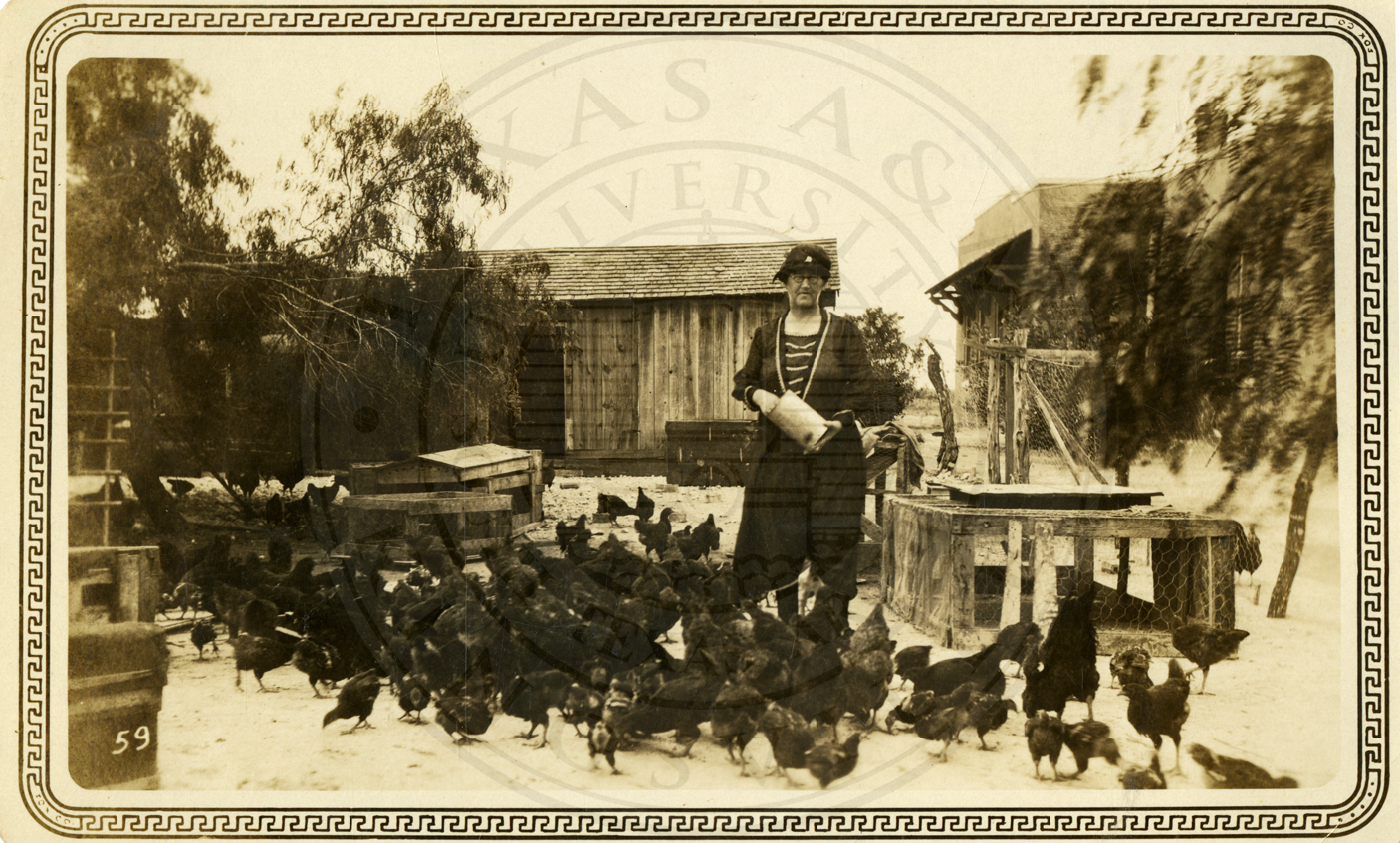
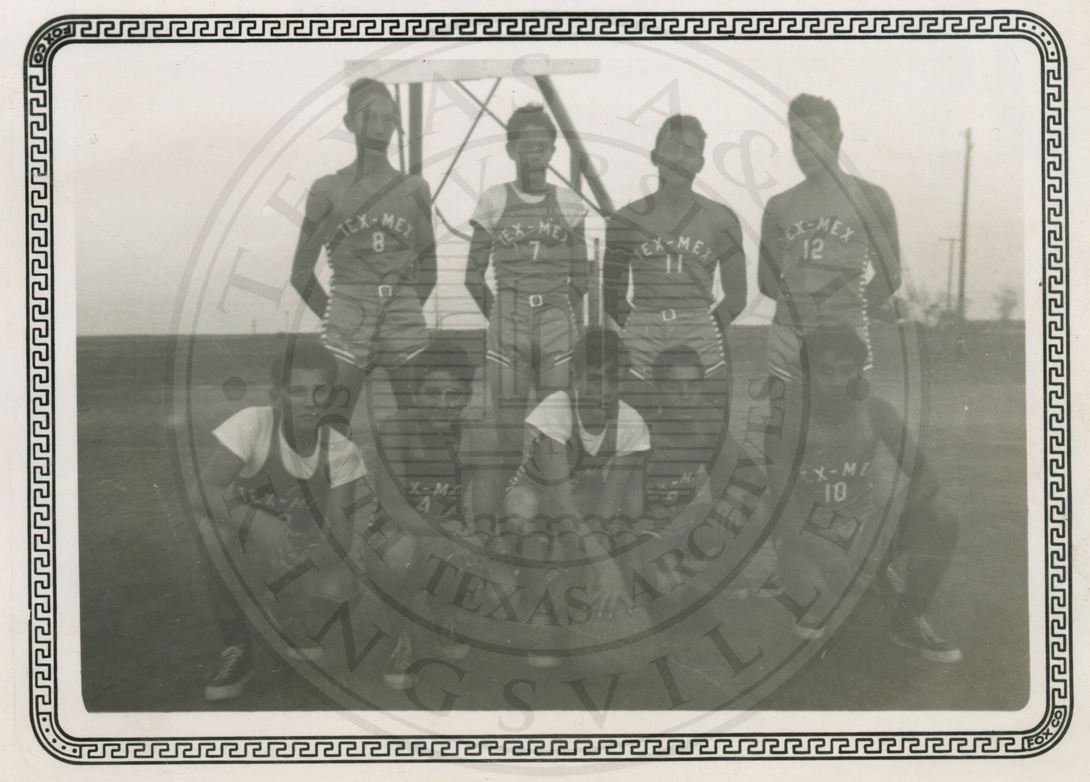
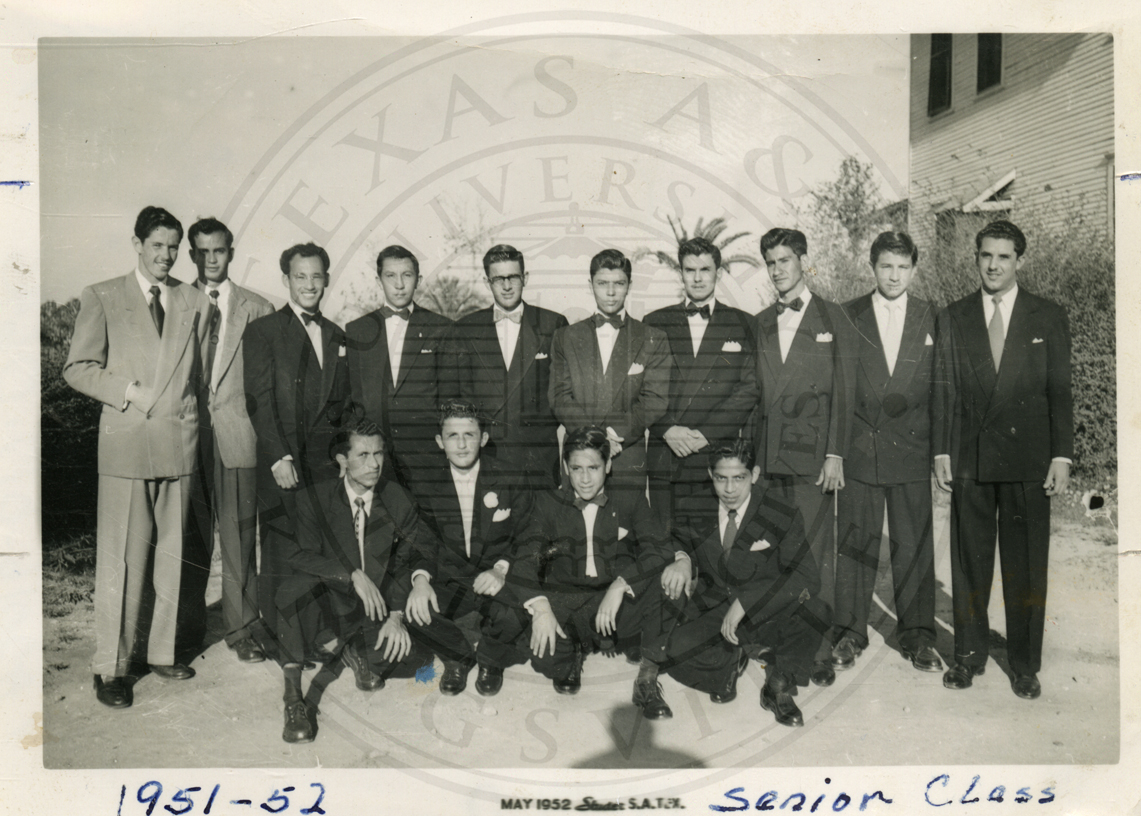
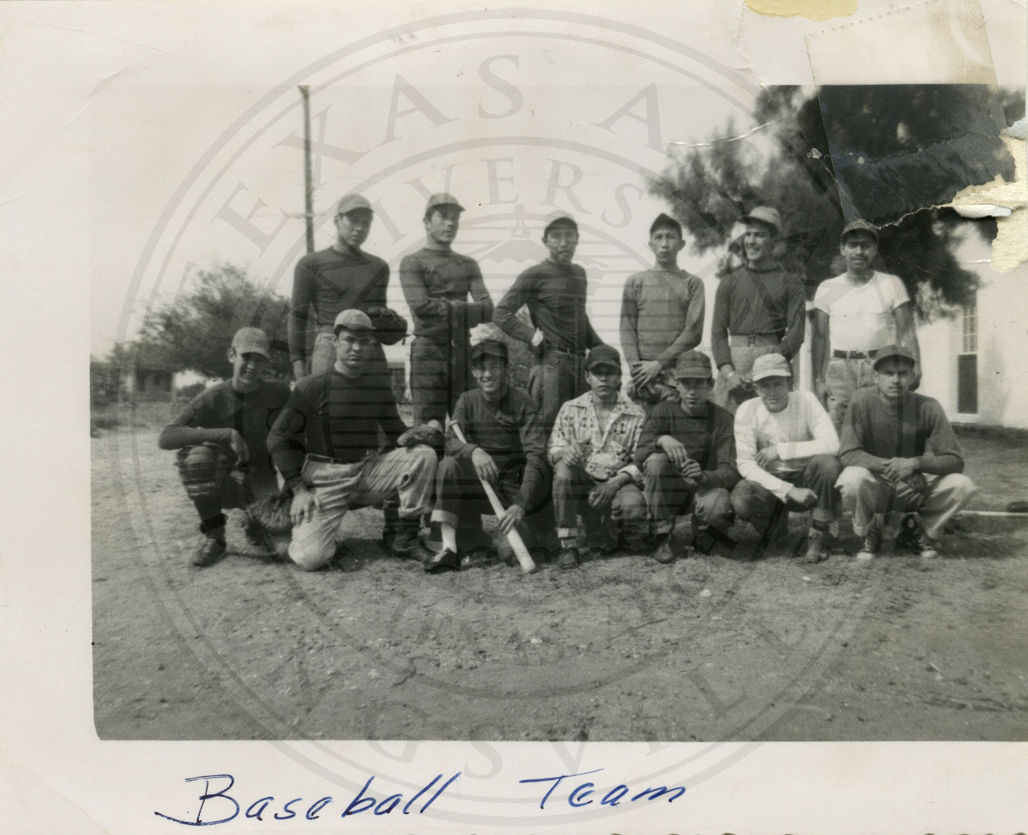
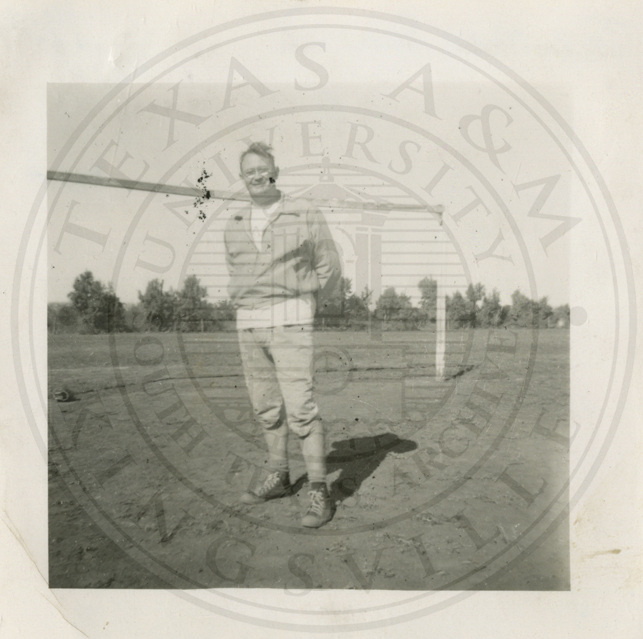
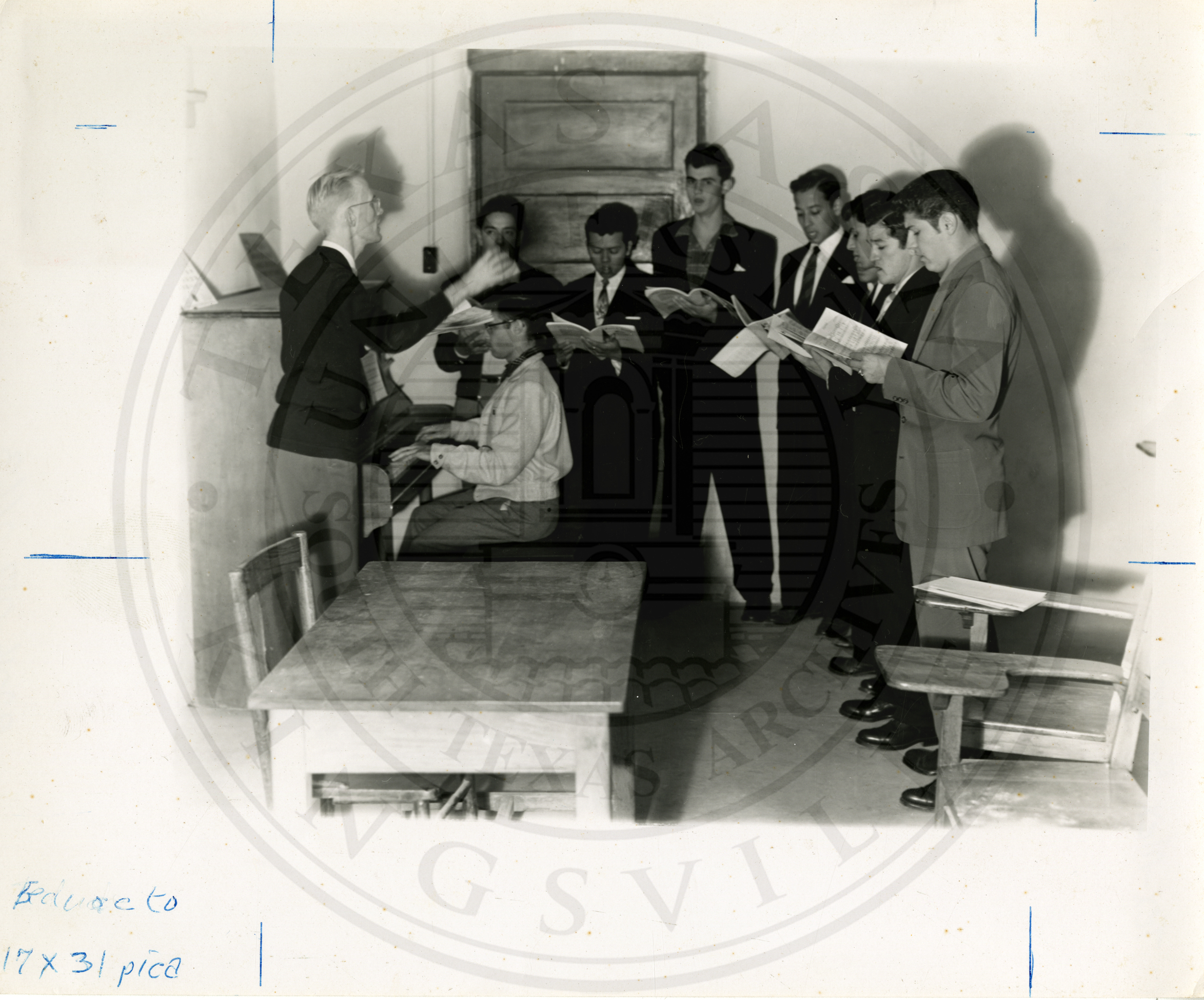
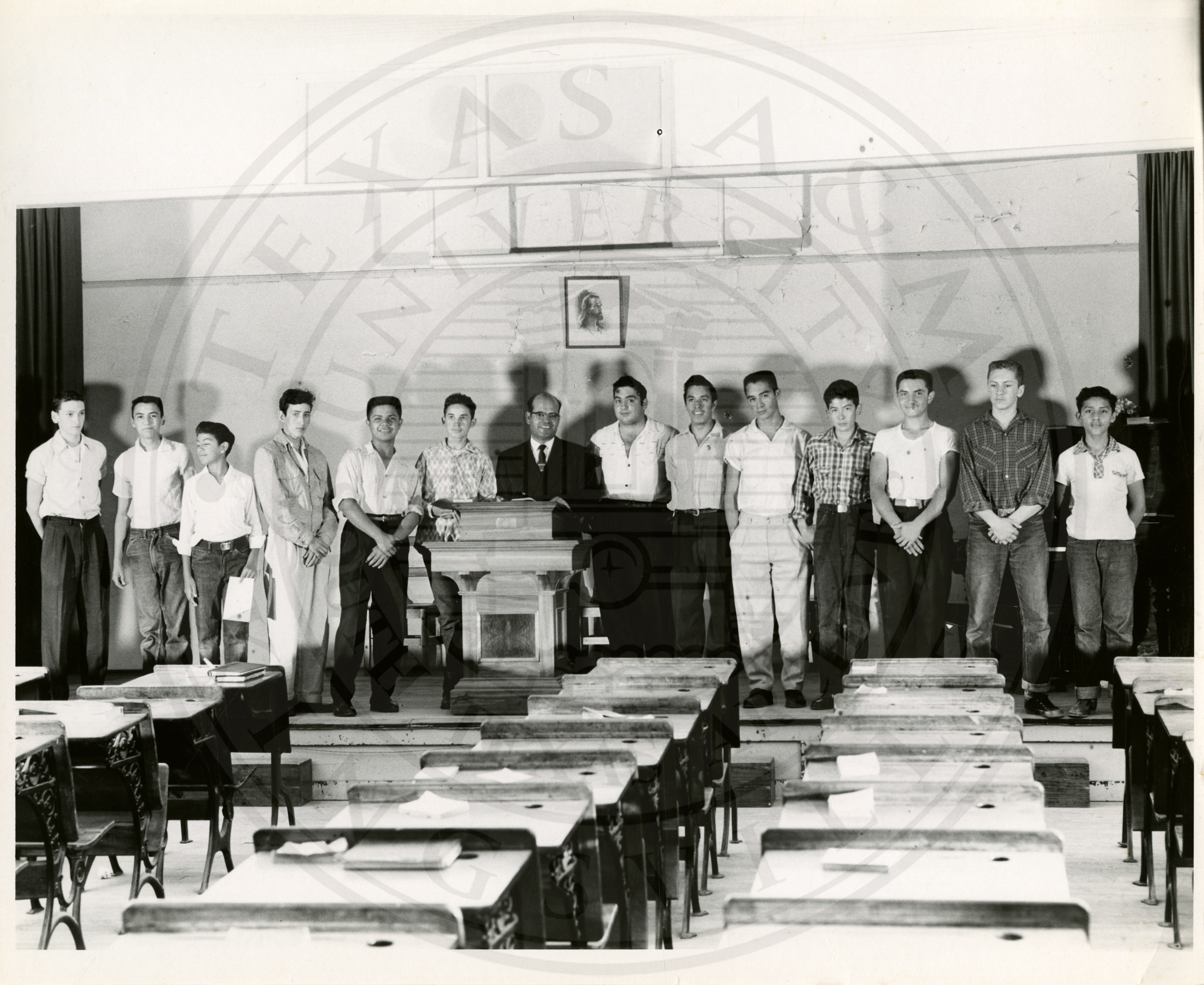
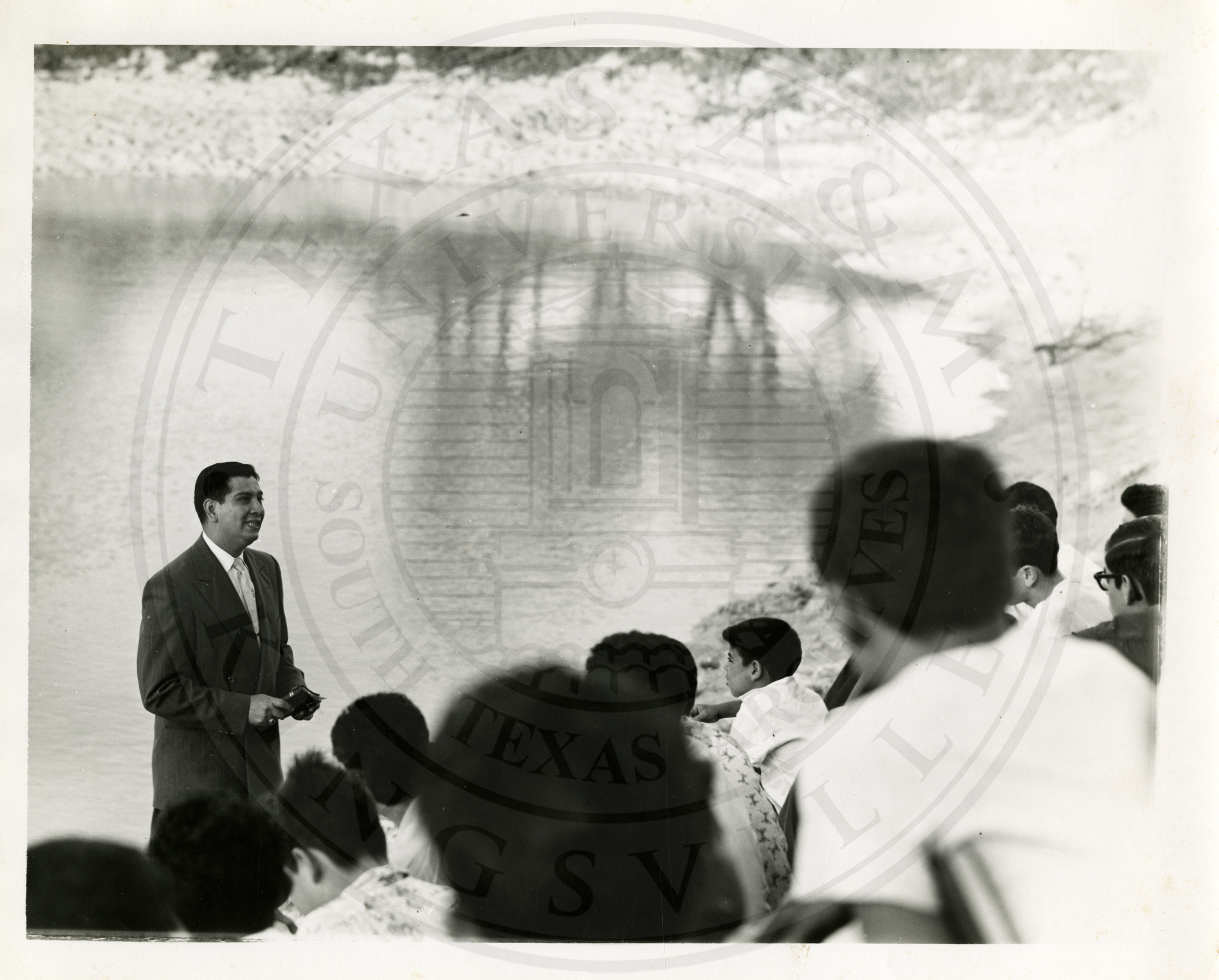
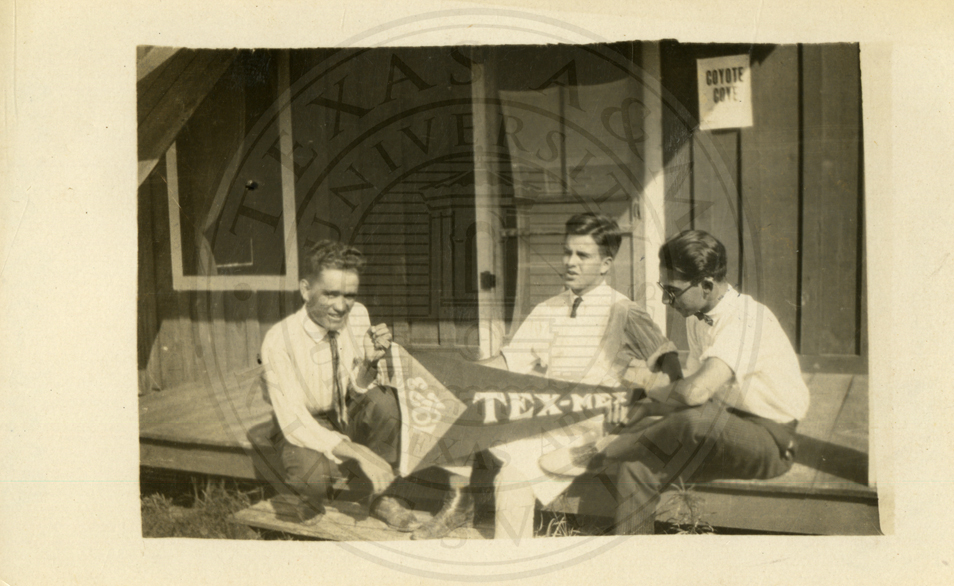
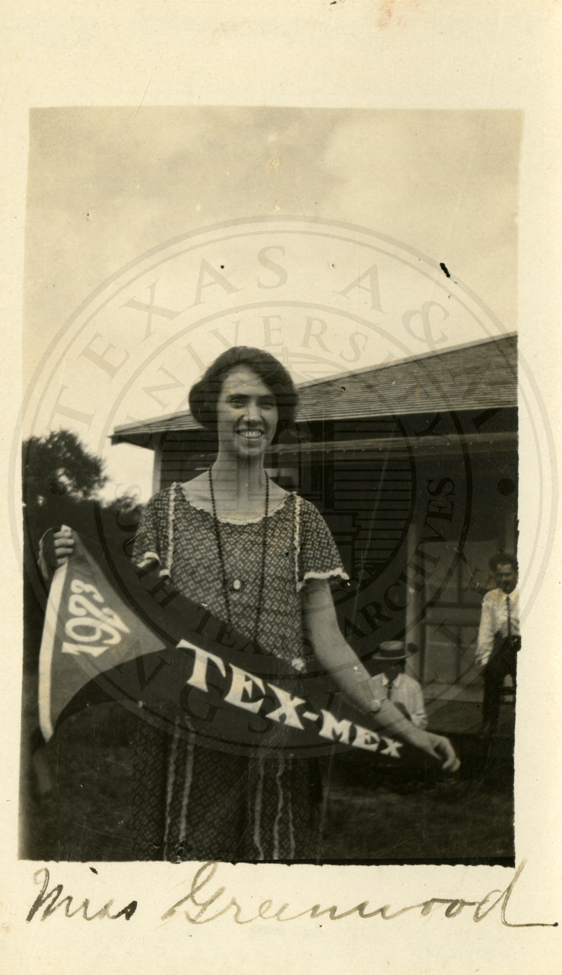
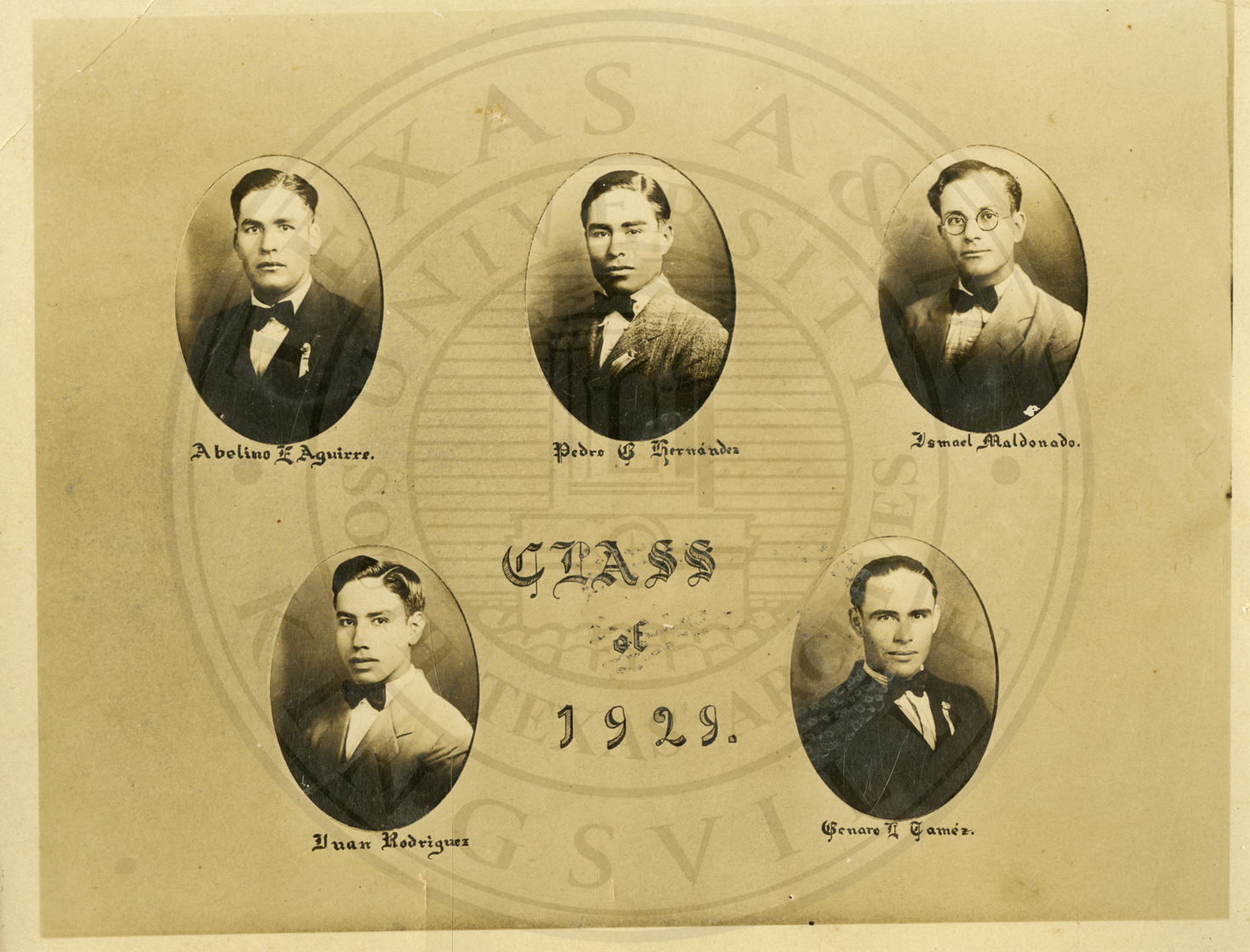
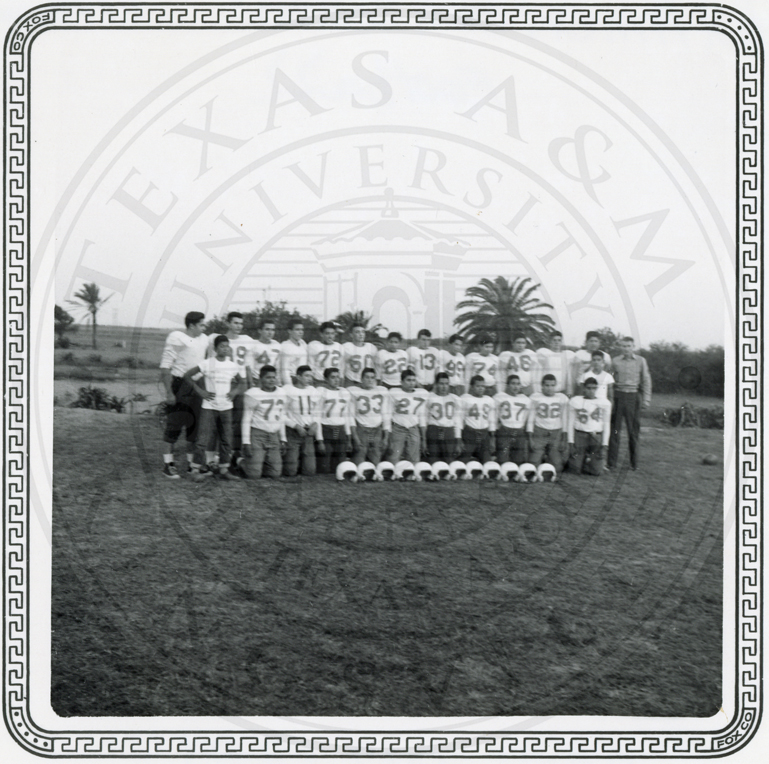
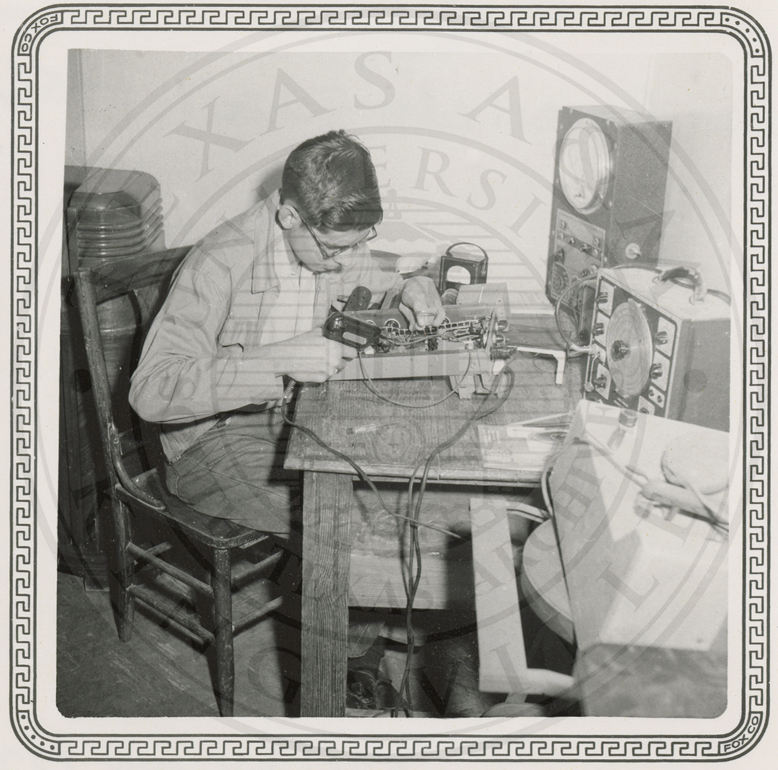
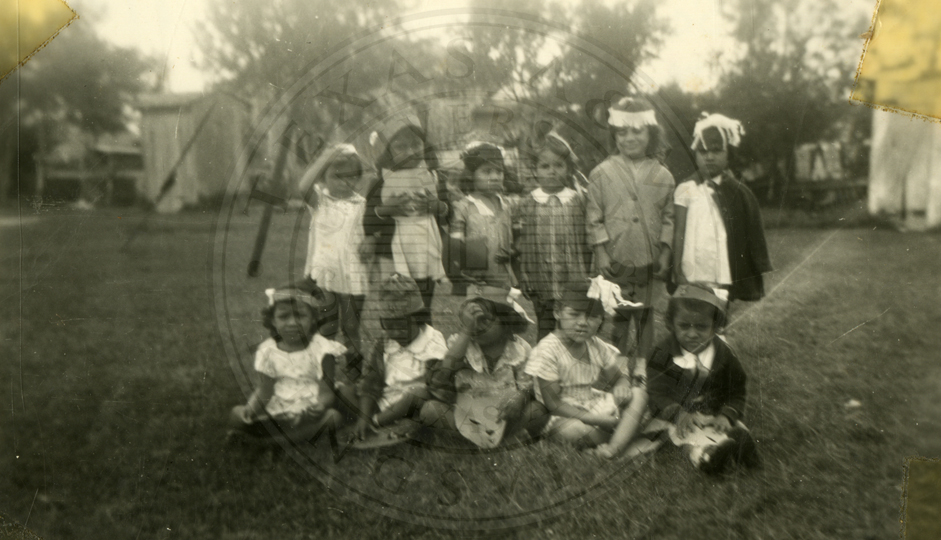
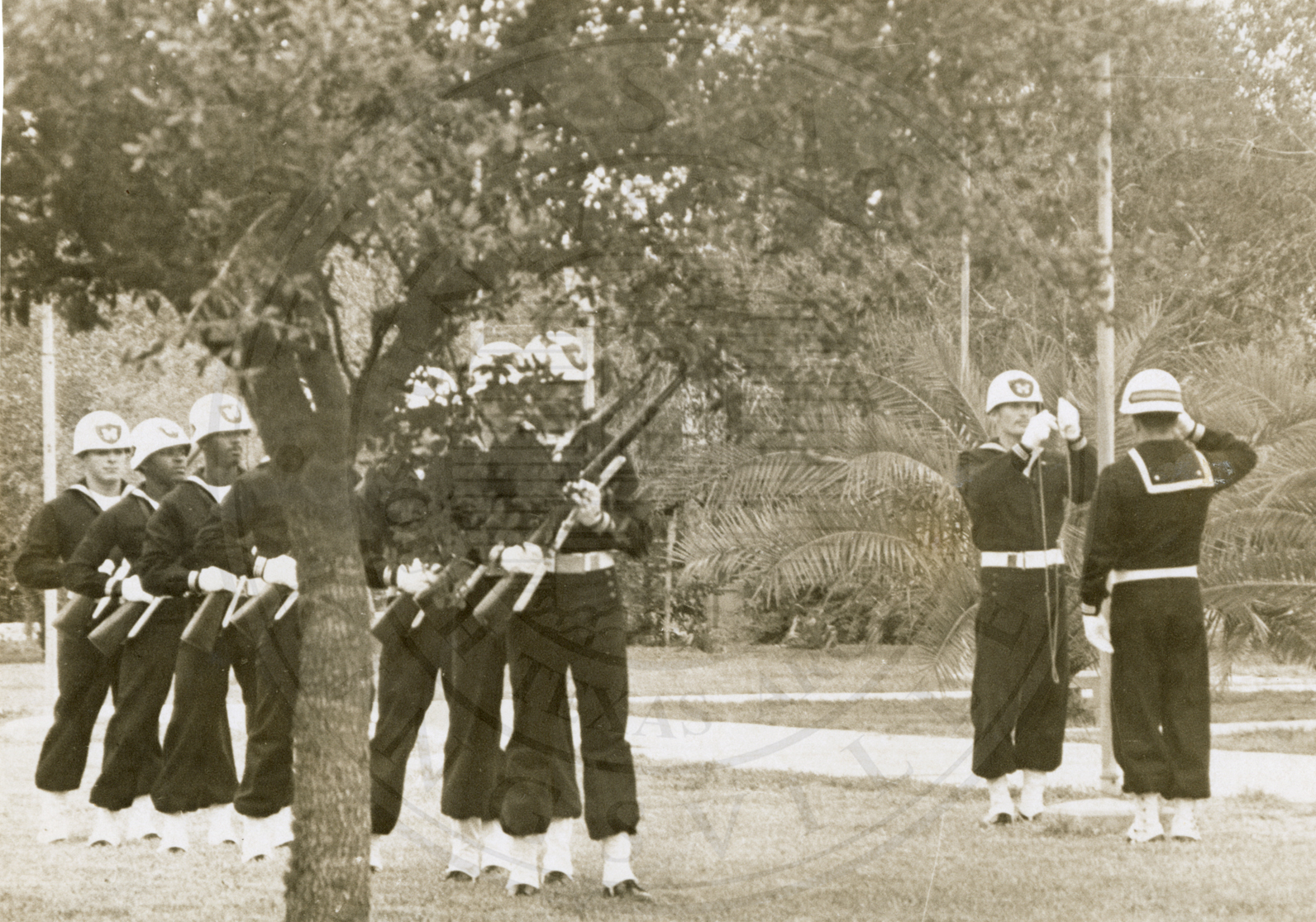
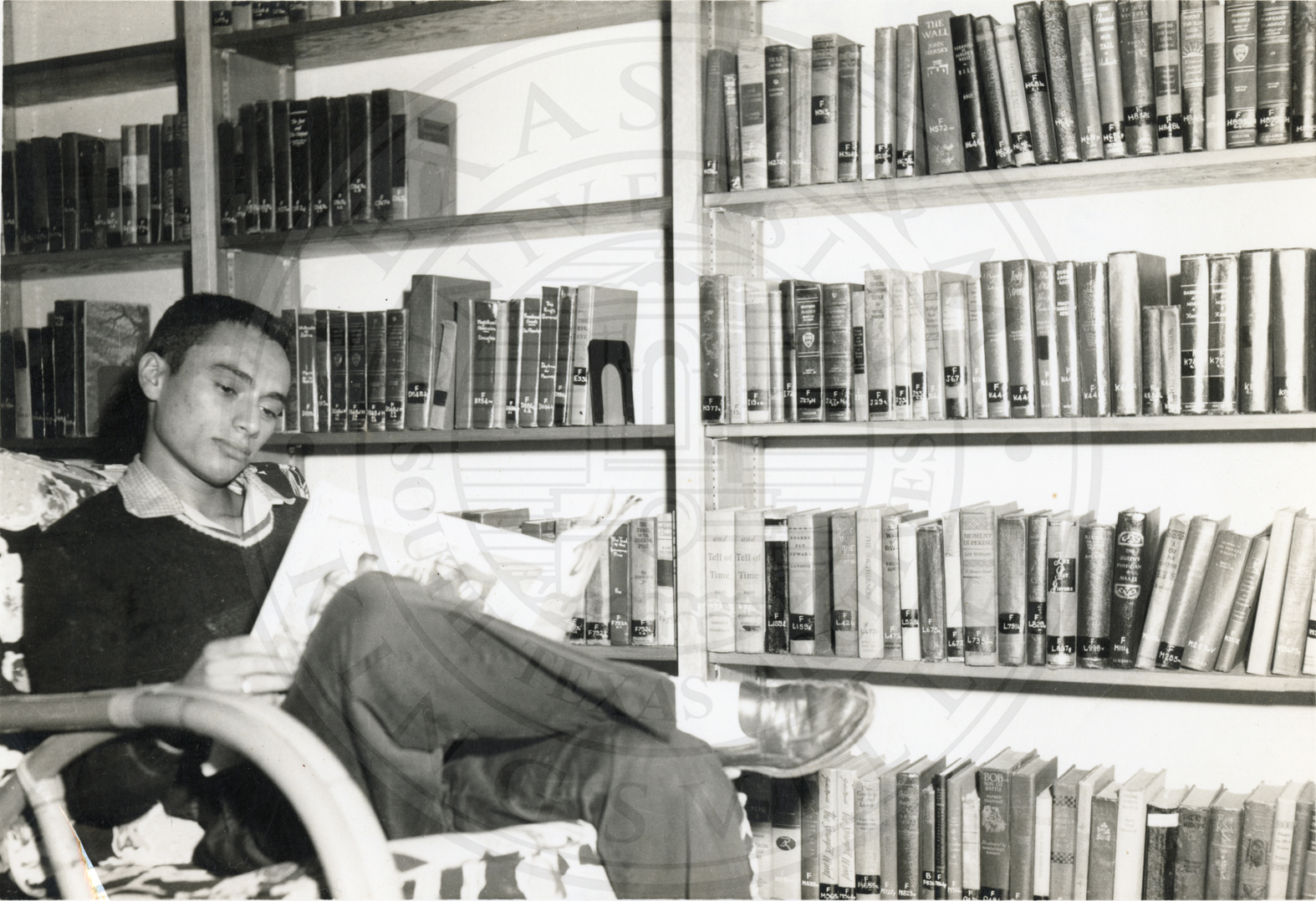
Juntos 1977, p. 6·Juntos 1983, p. 8·ppas.org — Named ScholarshipsThe South Texas Archives keeps the school’s own photo file. These are the prints it labelled Tex-Mex: the students who built the place, its teams, its print shop and its farm — and, kept in the same file, a few from the sister preparatory school in Coyoacán, Mexico City. Undated unless the print says otherwise.
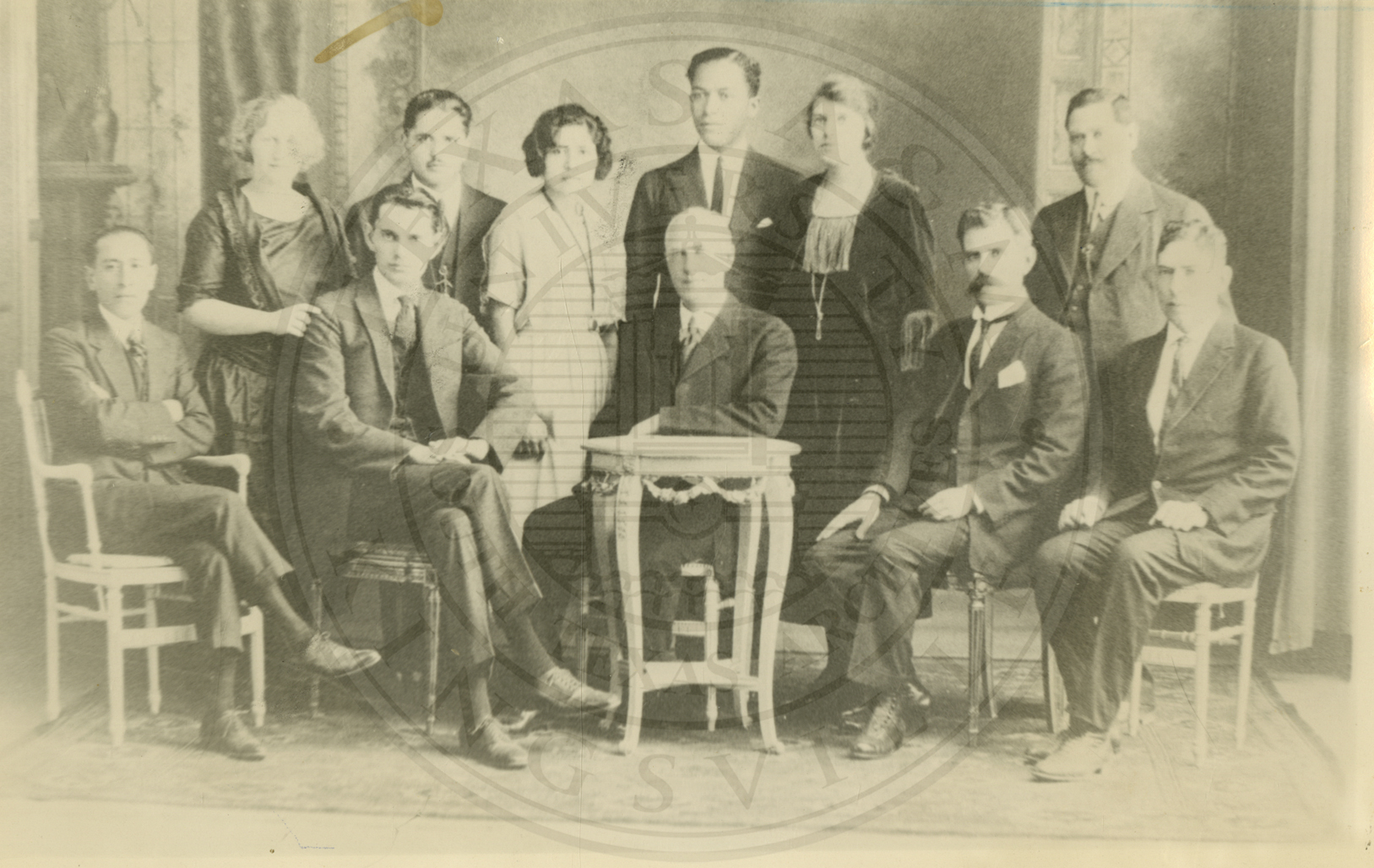
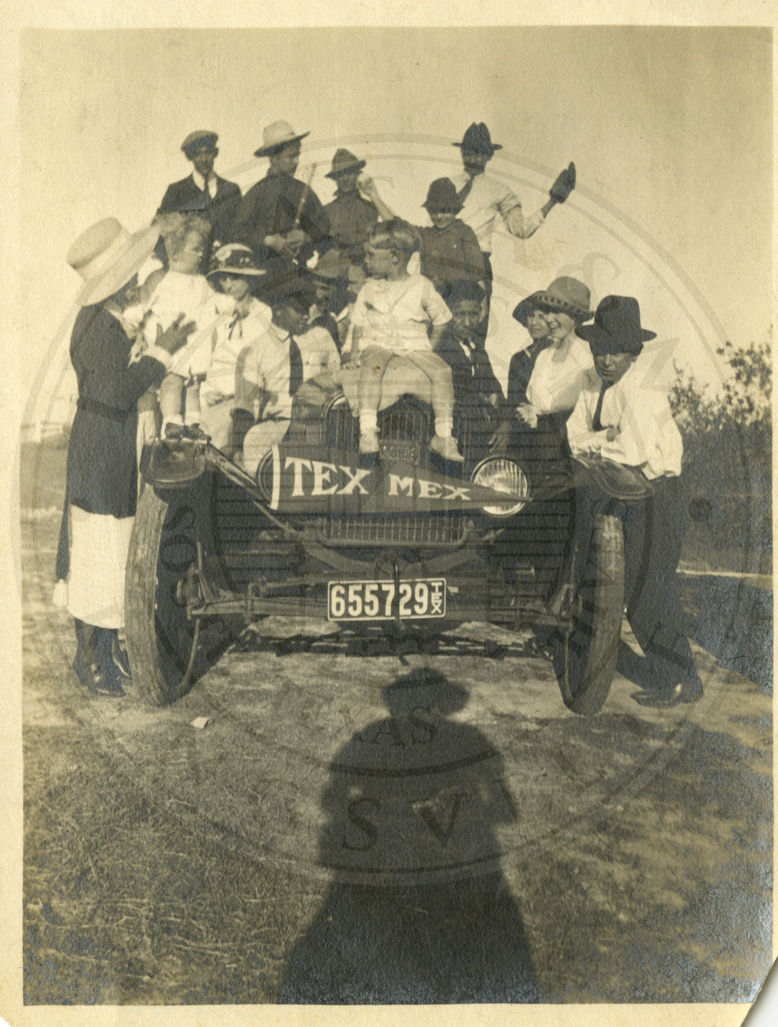
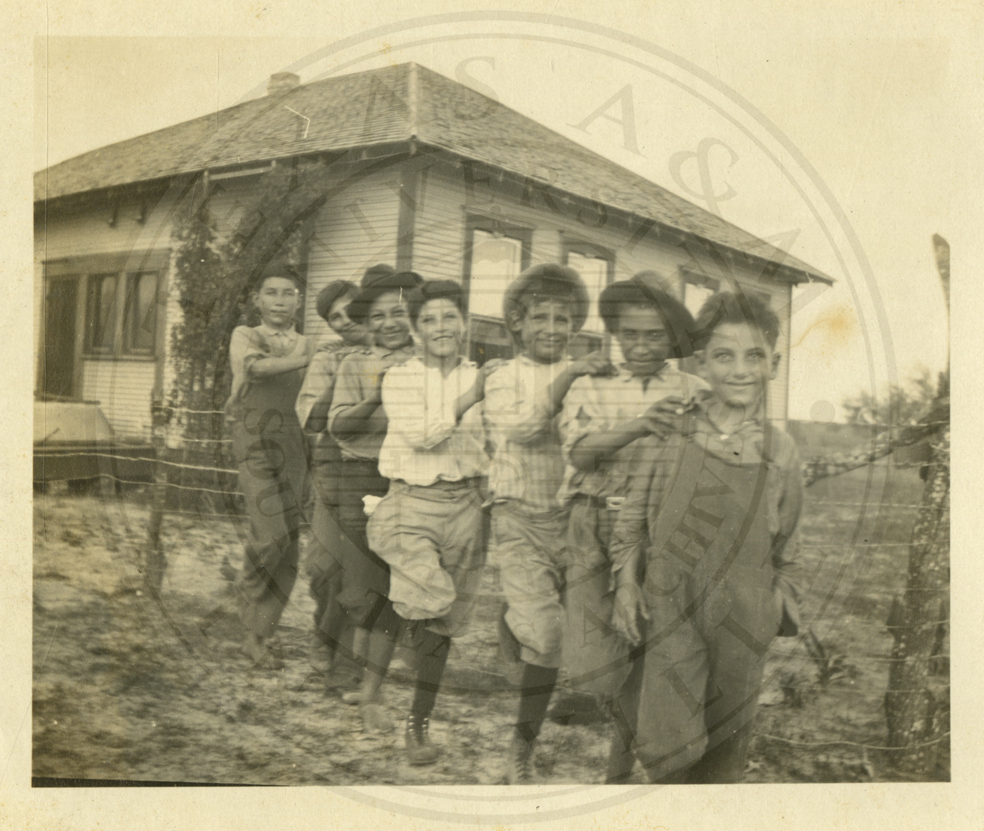
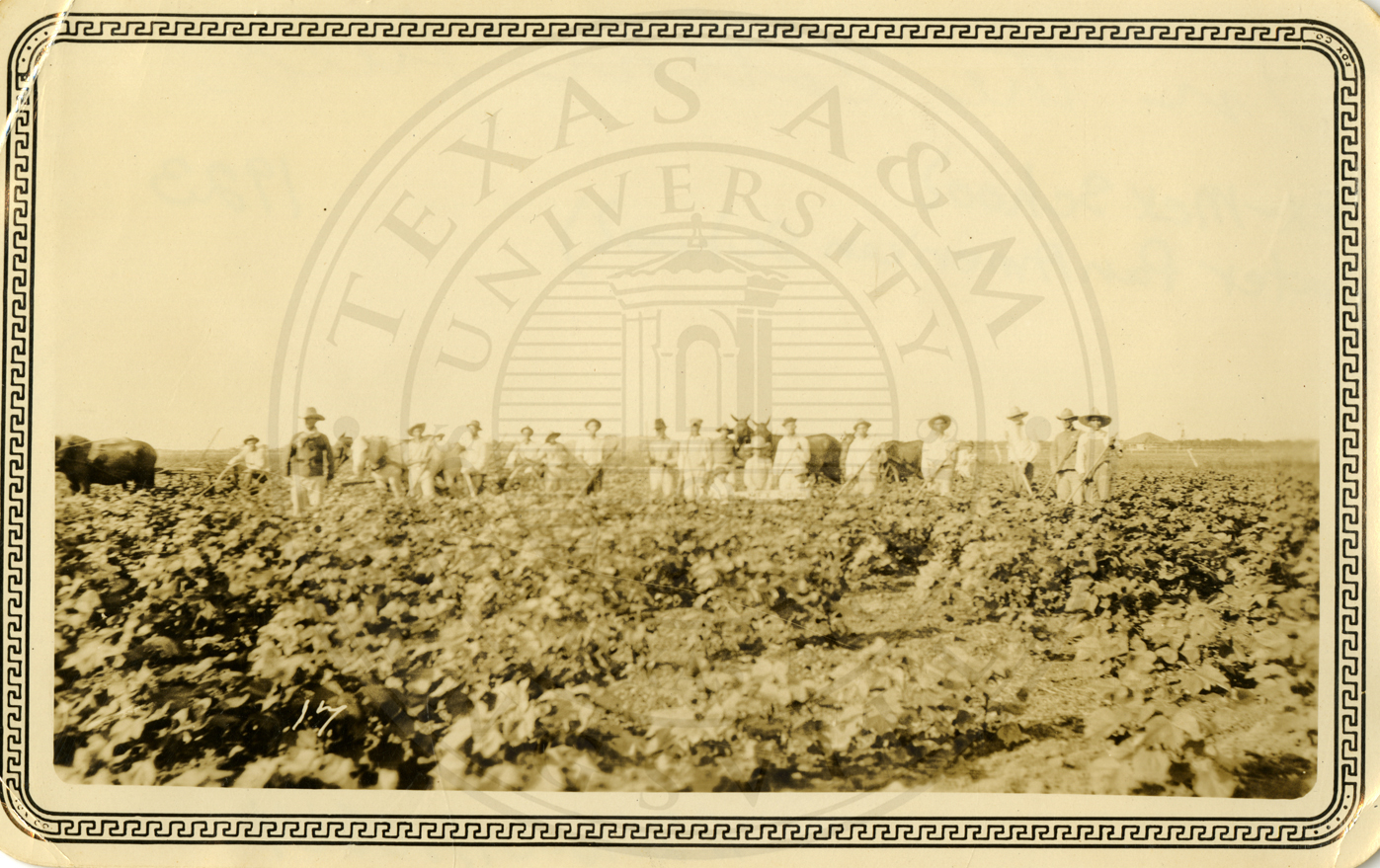
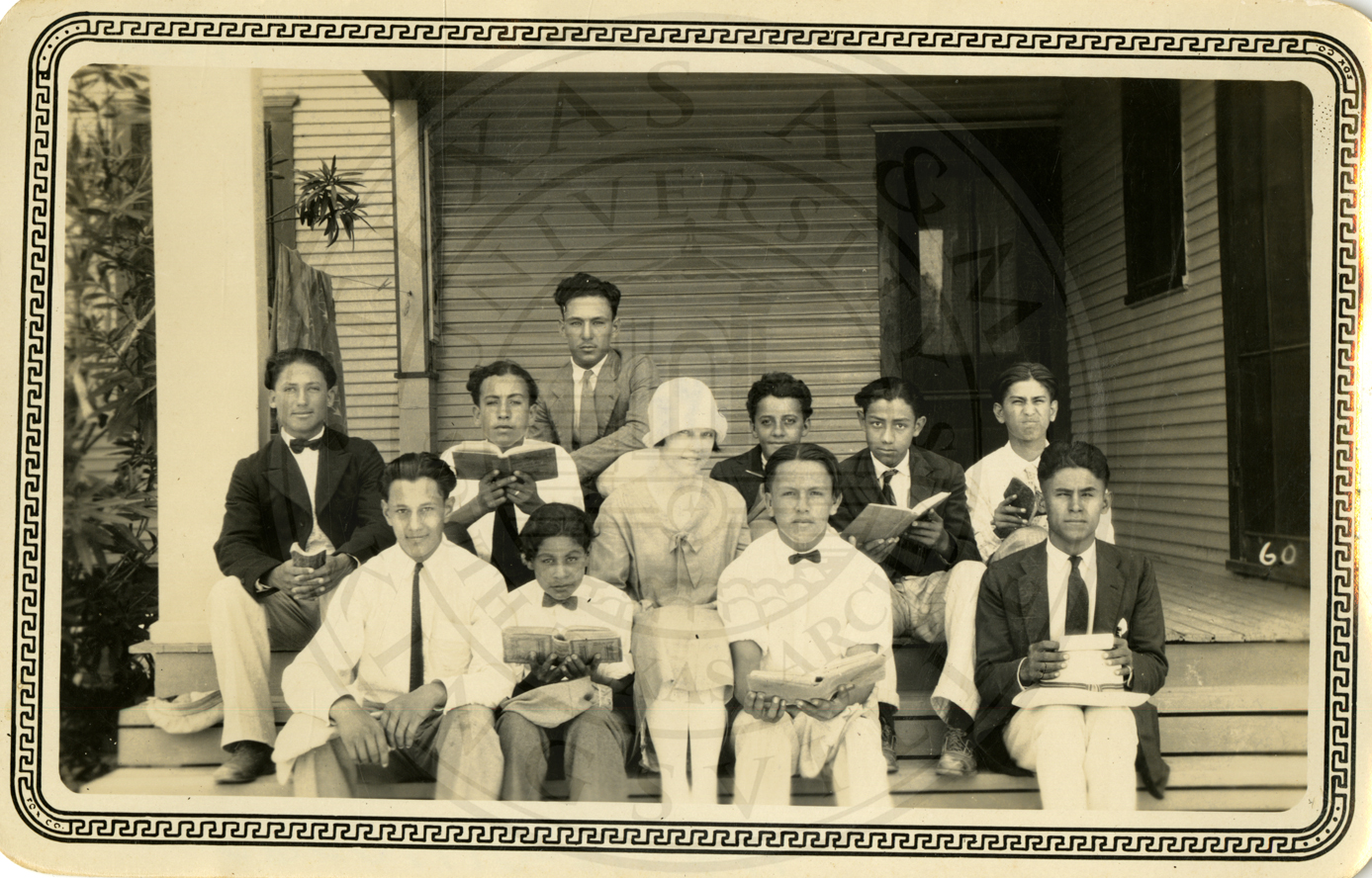
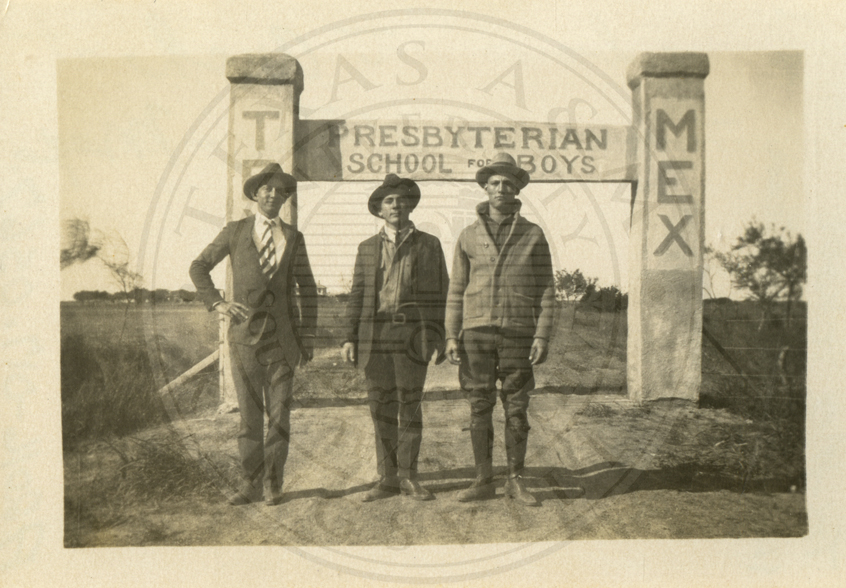
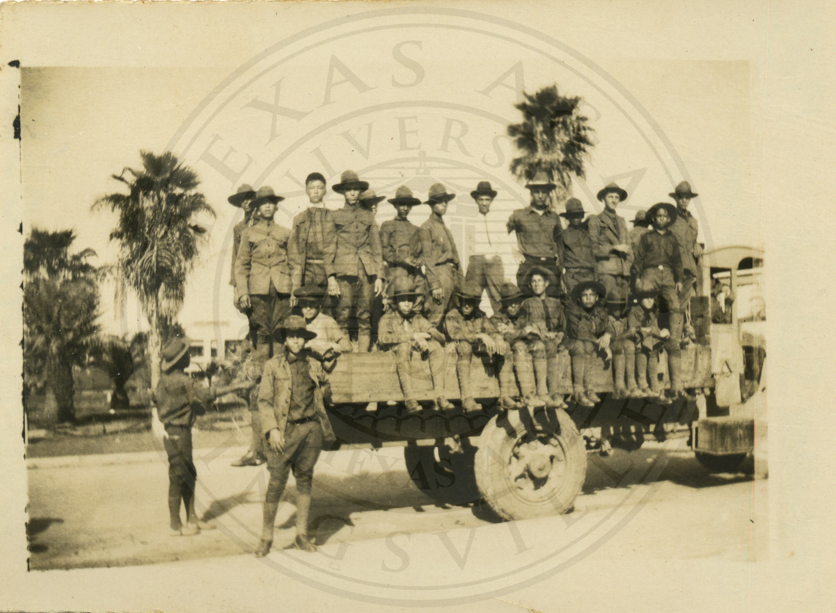
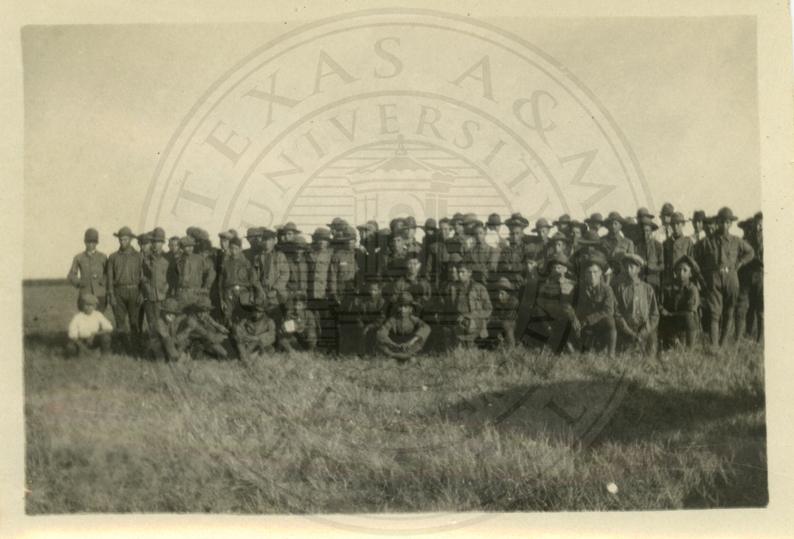
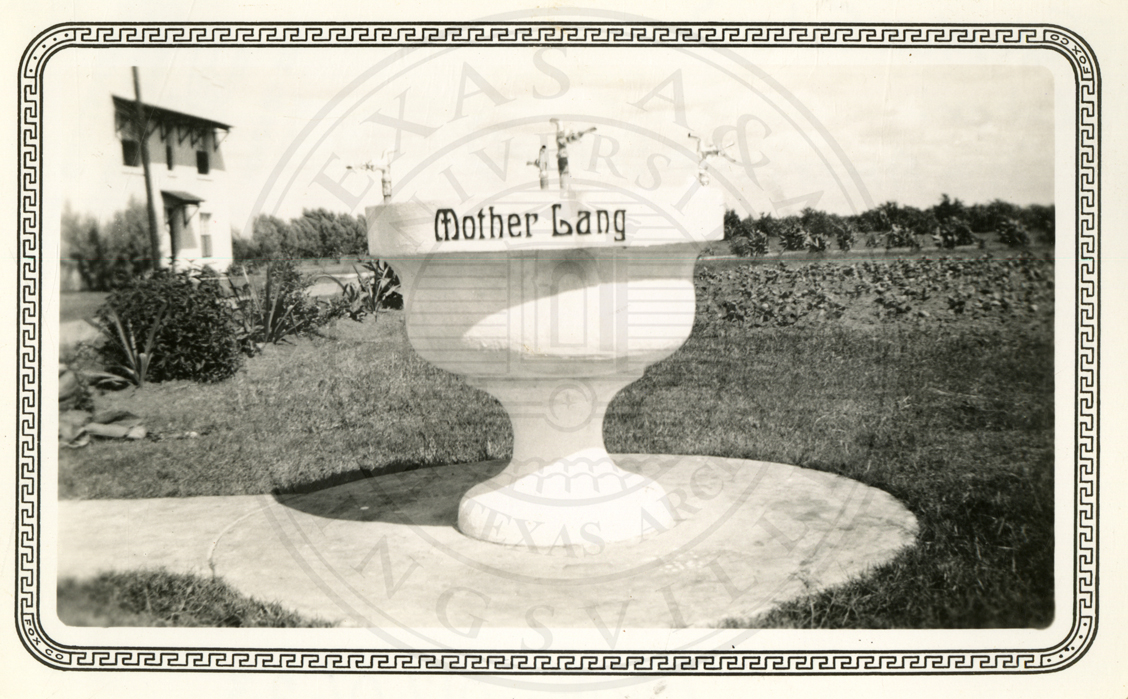
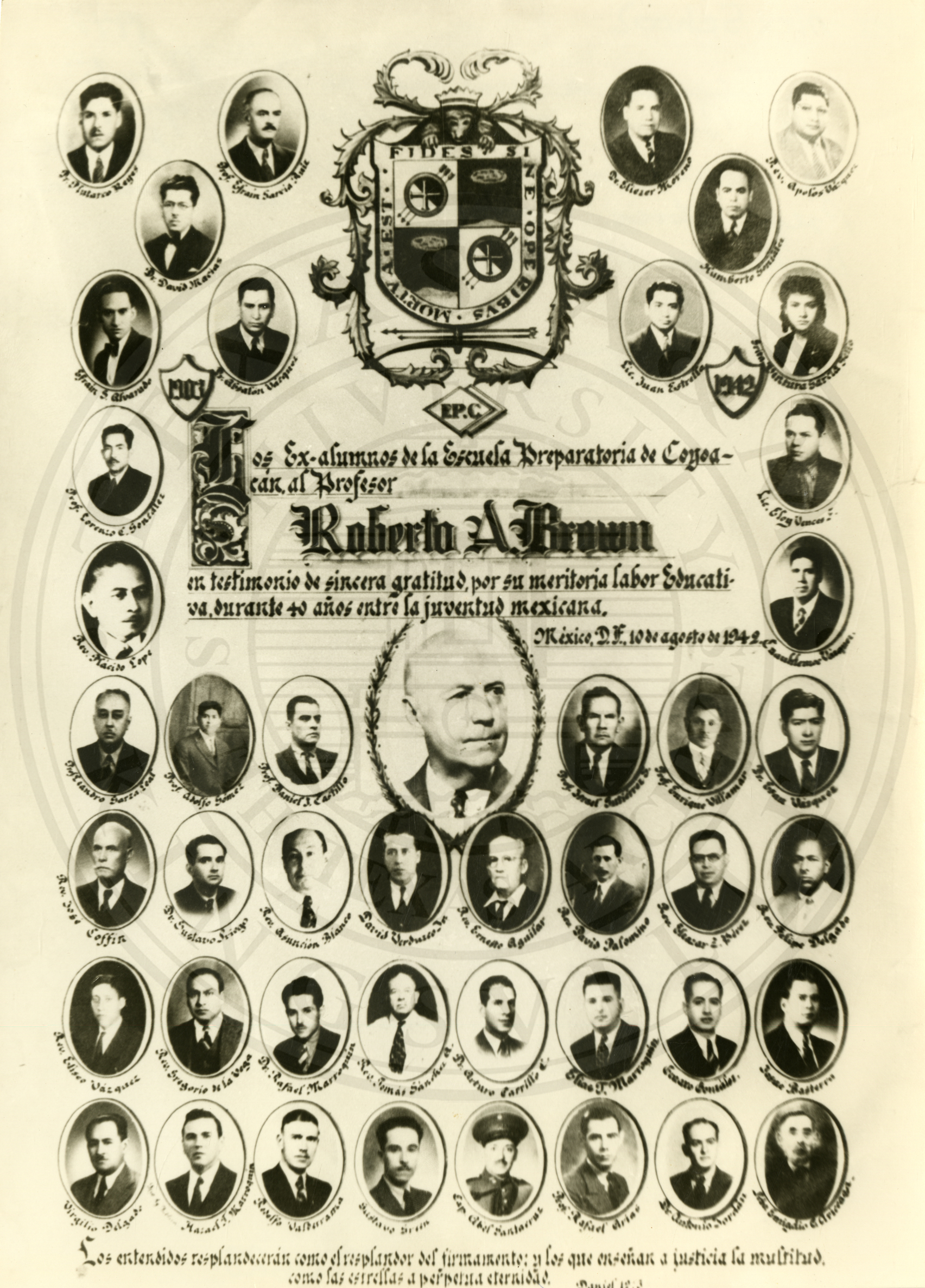
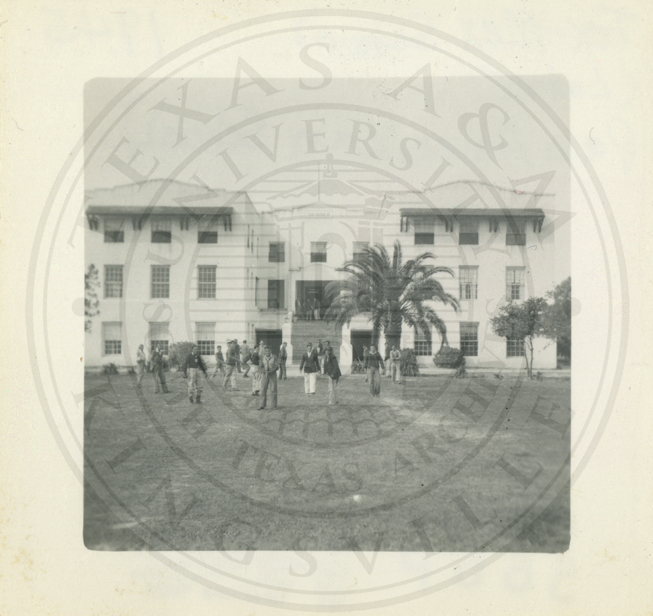
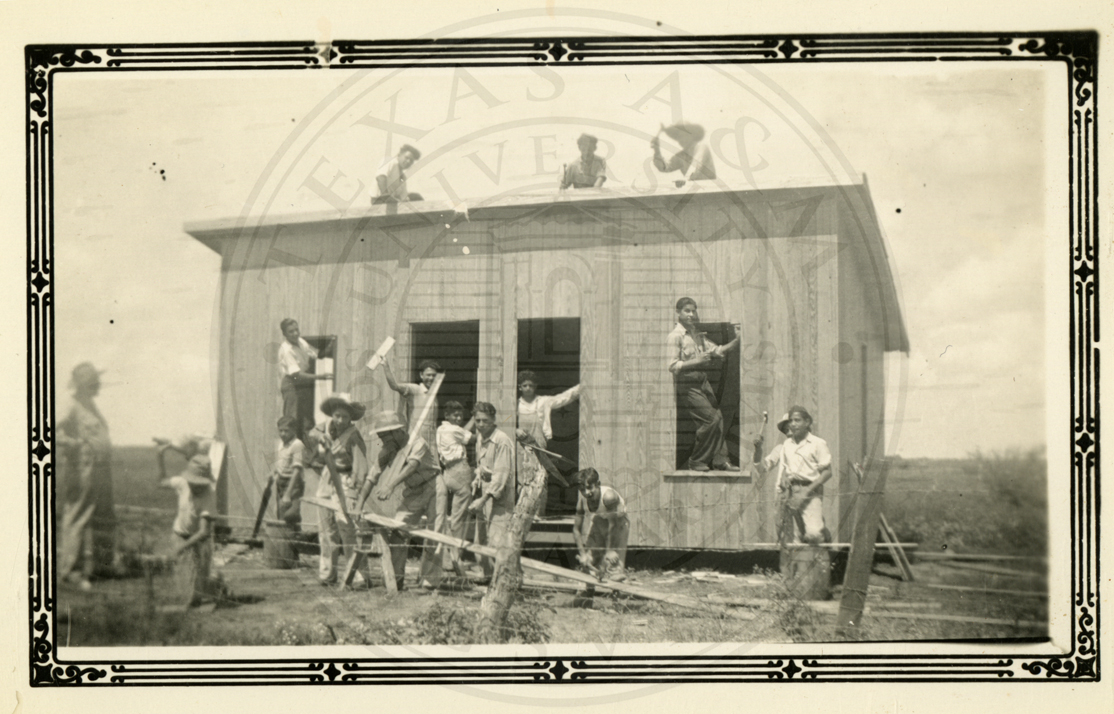
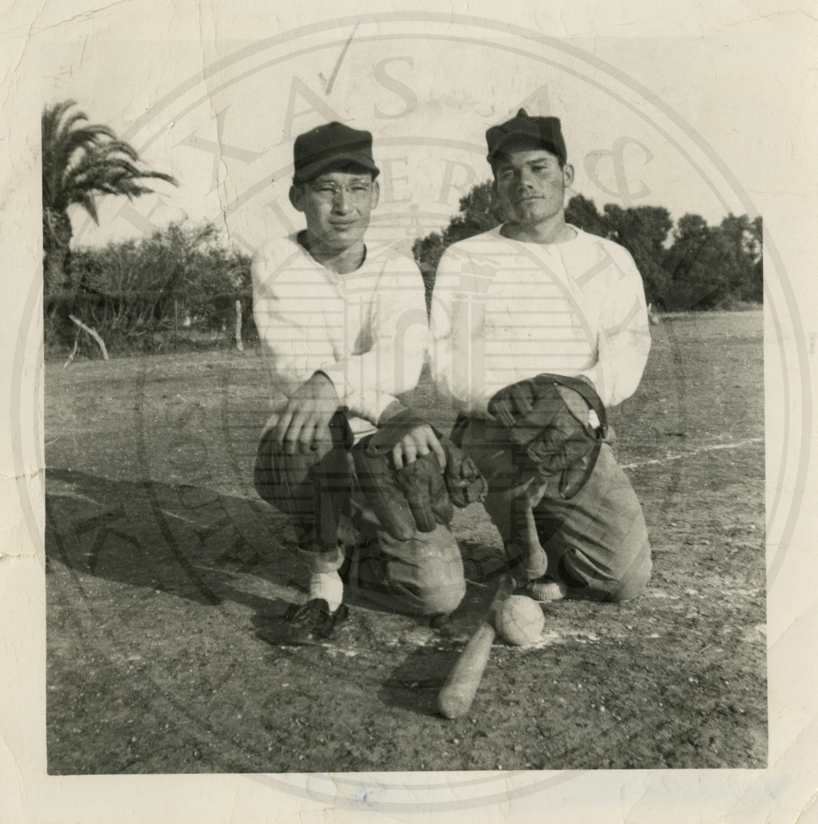
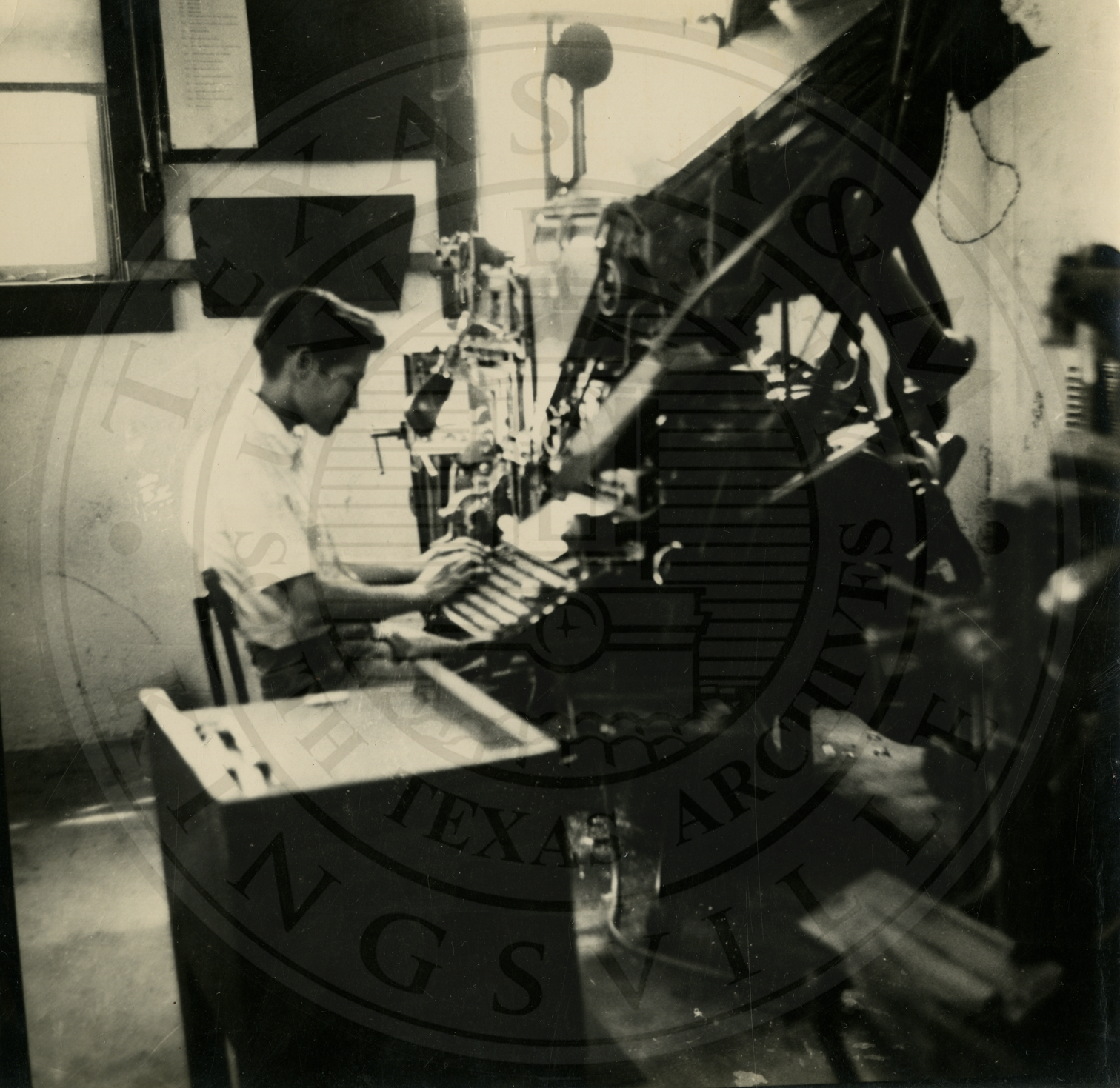
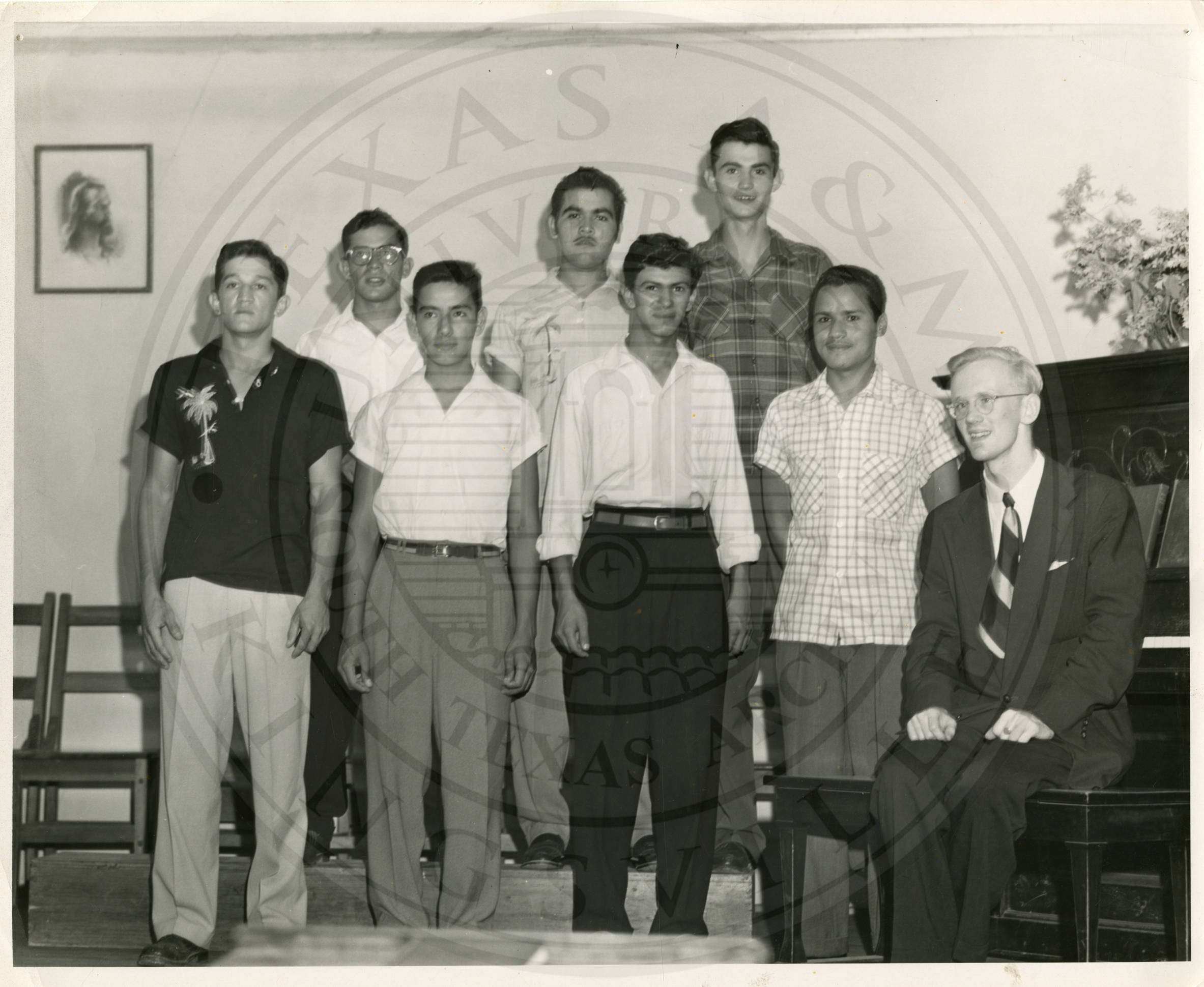
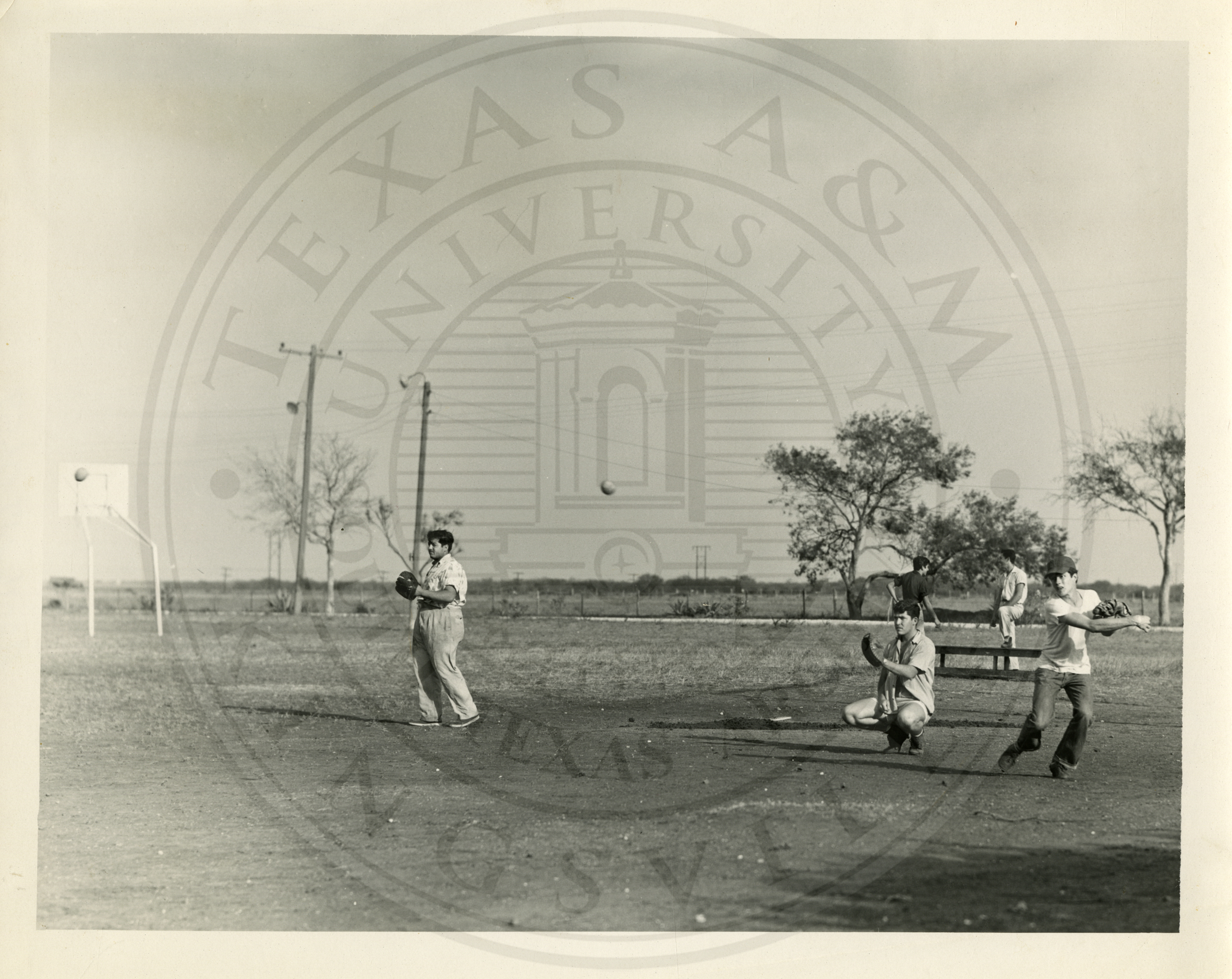
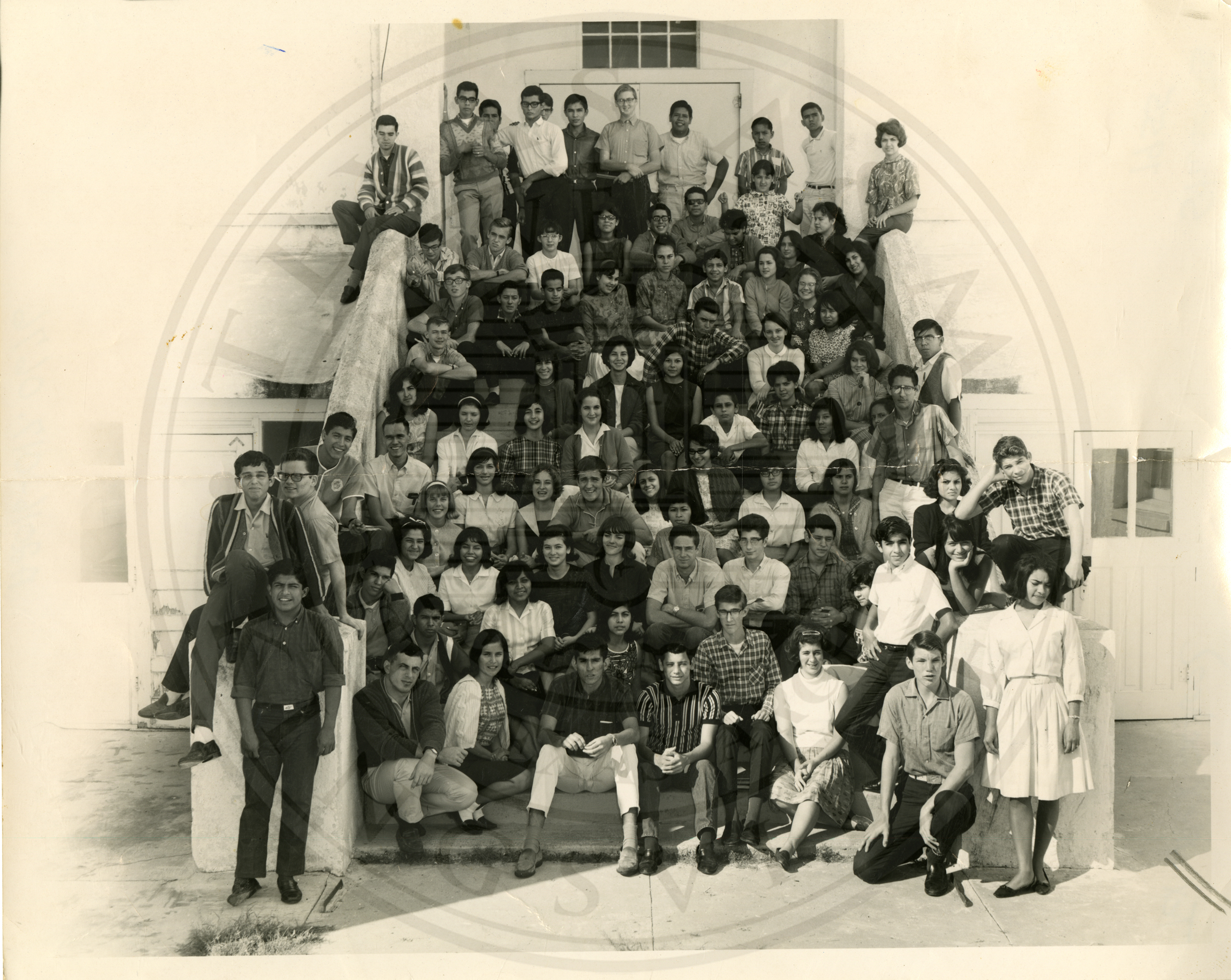
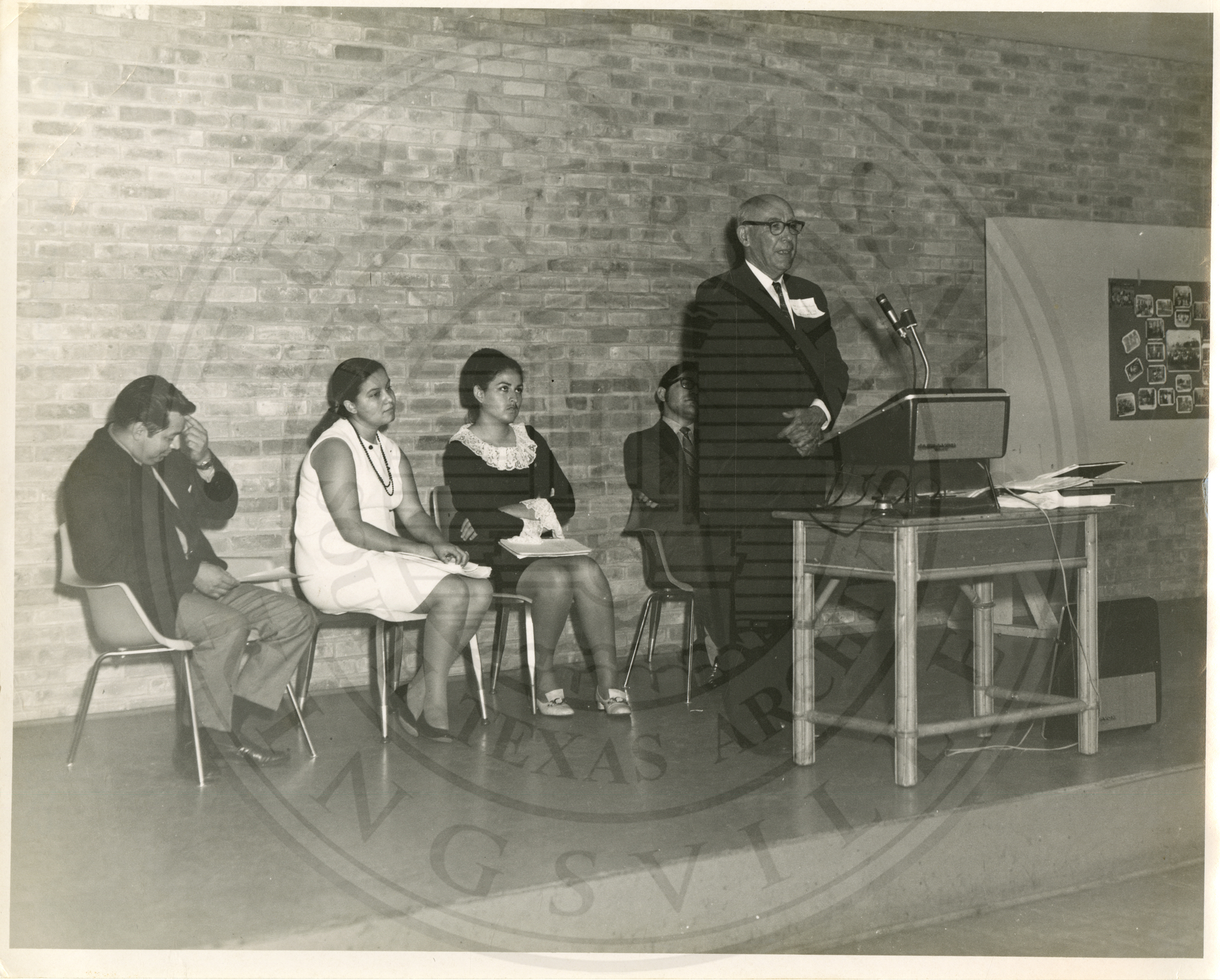
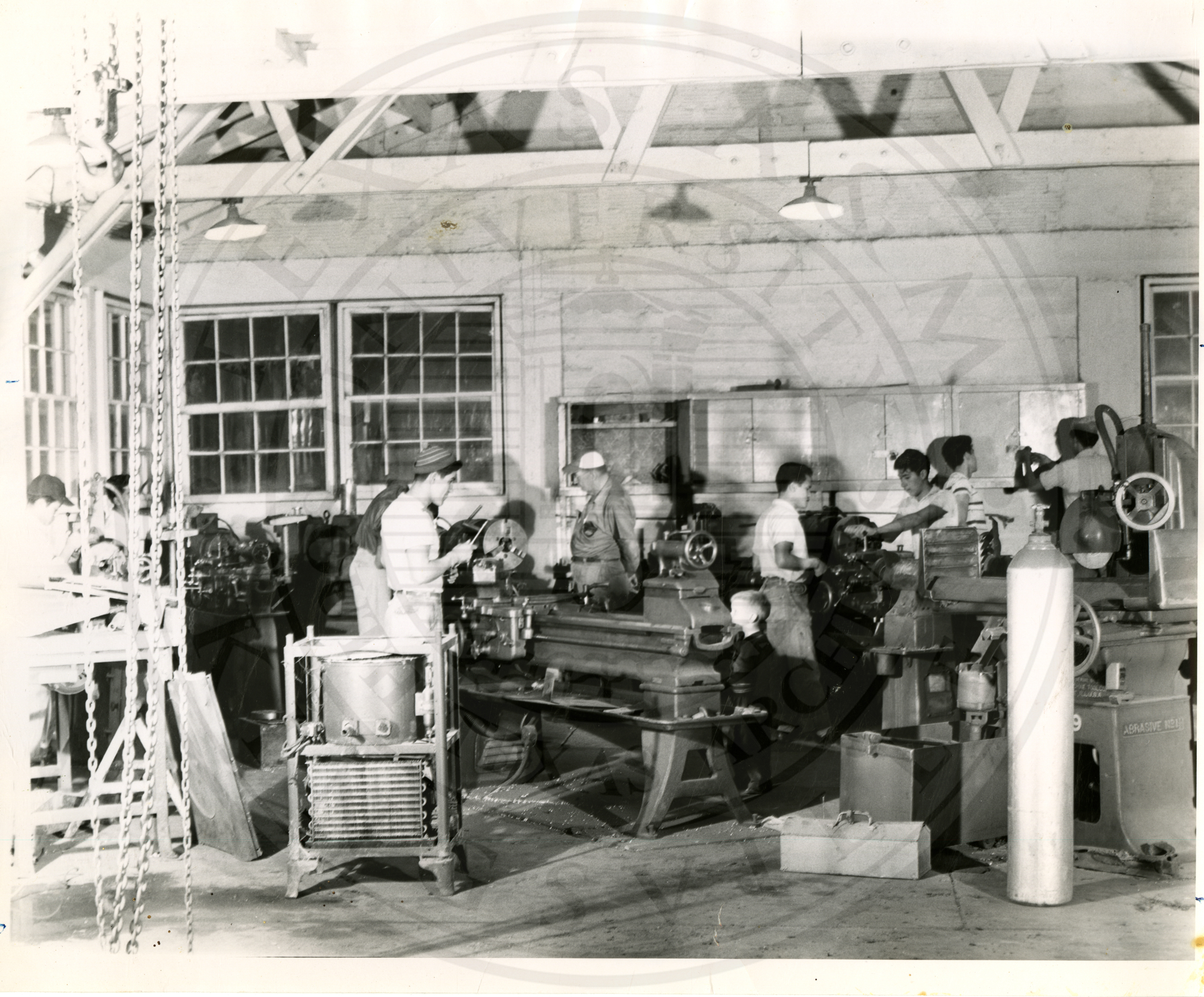
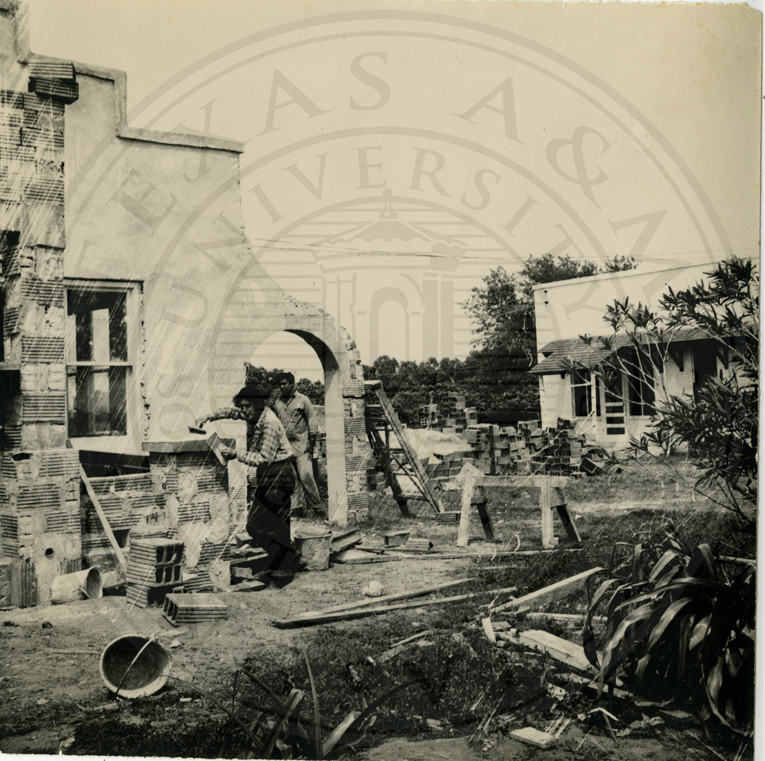
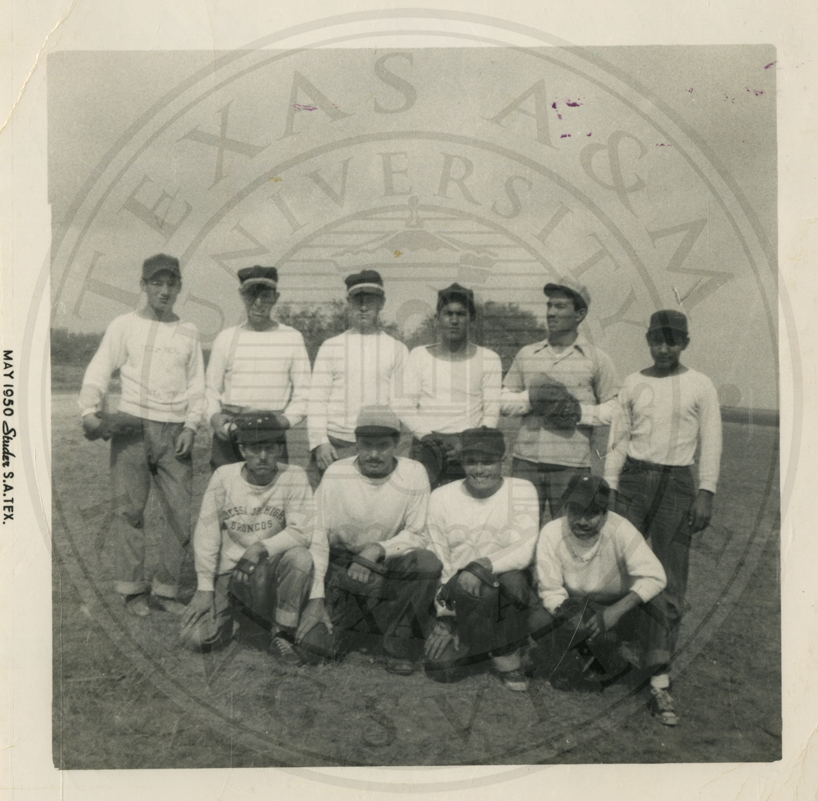
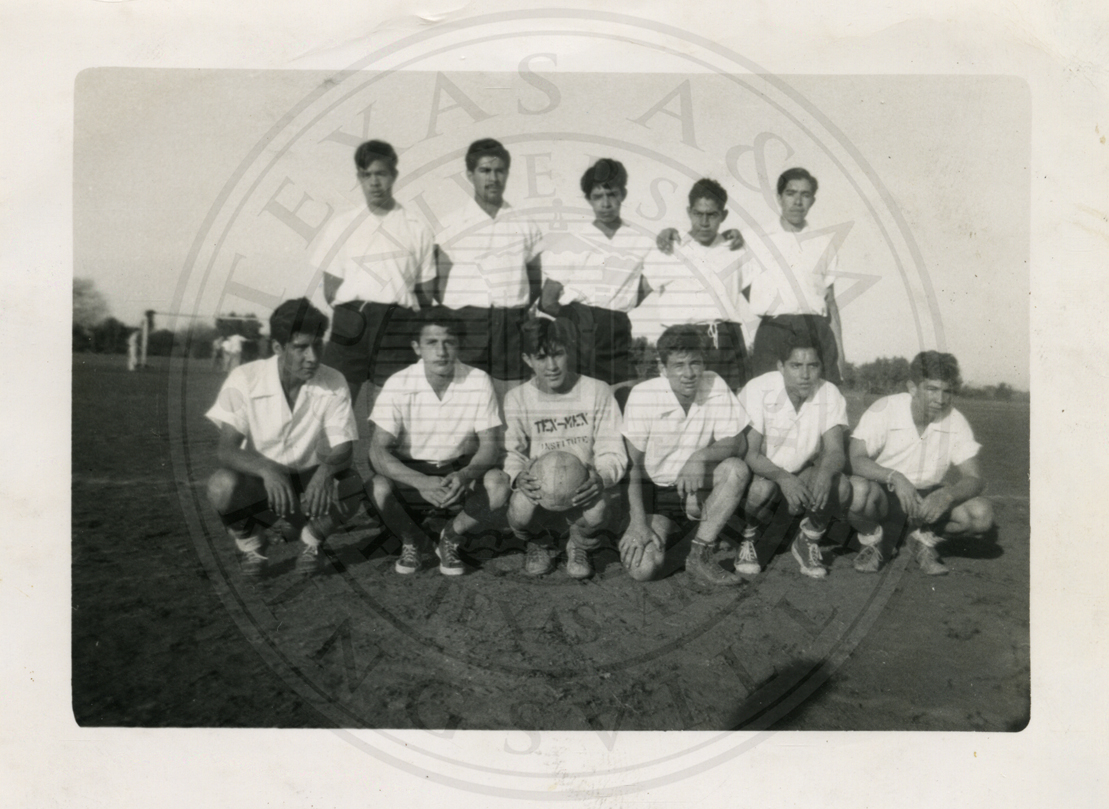
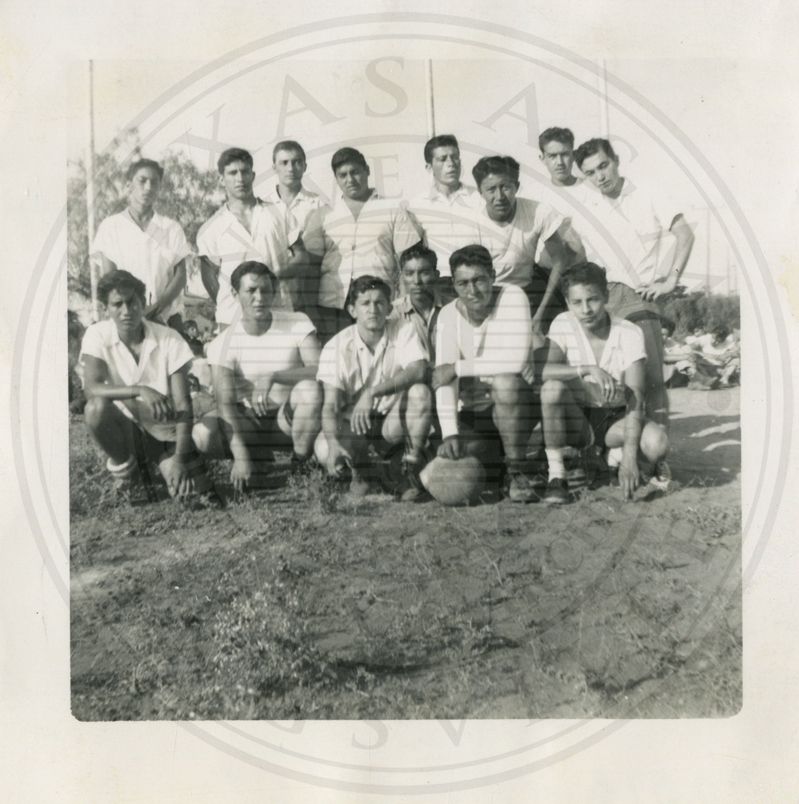
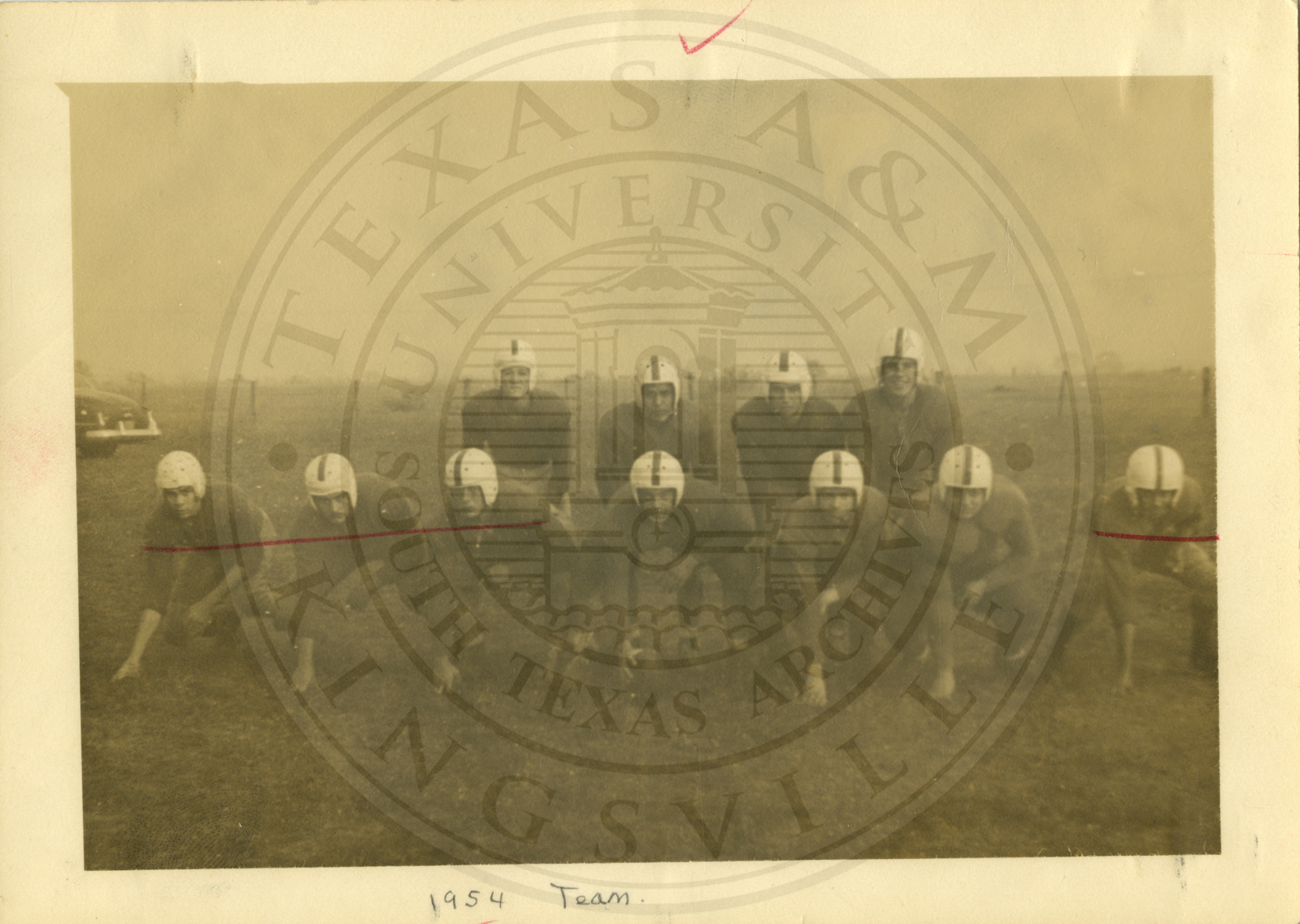
The girls' school at Taft.
Opened in October 1924 with money from the Synod of Texas and land and cash from the citizens of Taft, the Presbyterian School for Mexican Girls taught more than 700 young women — 200 of them from Mexico — under Berta Murray. Its dormitories, administration building, practice home, kindergarten and day nursery are gone; the 1952 library survives as a VFW post.
Handbook of Texas — Presbyterian School for Mexican Girls·ppas.org — HistoryThe Presbyterian School for Mexican Girls opens in October in Taft, San Patricio County, financed by the Synod of Texas ($52,928) and the citizens of Taft ($10,000 and 200 acres). Skinner helps set its policy.
Handbook of Texas — Presbyterian School for Mexican Girls·Texas Historical Commission marker 17274 (2012)·Juntos 1963, p. 8Named the school's second dean, she will lead Pres-Mex for thirty years. The first two girls graduate in 1928.
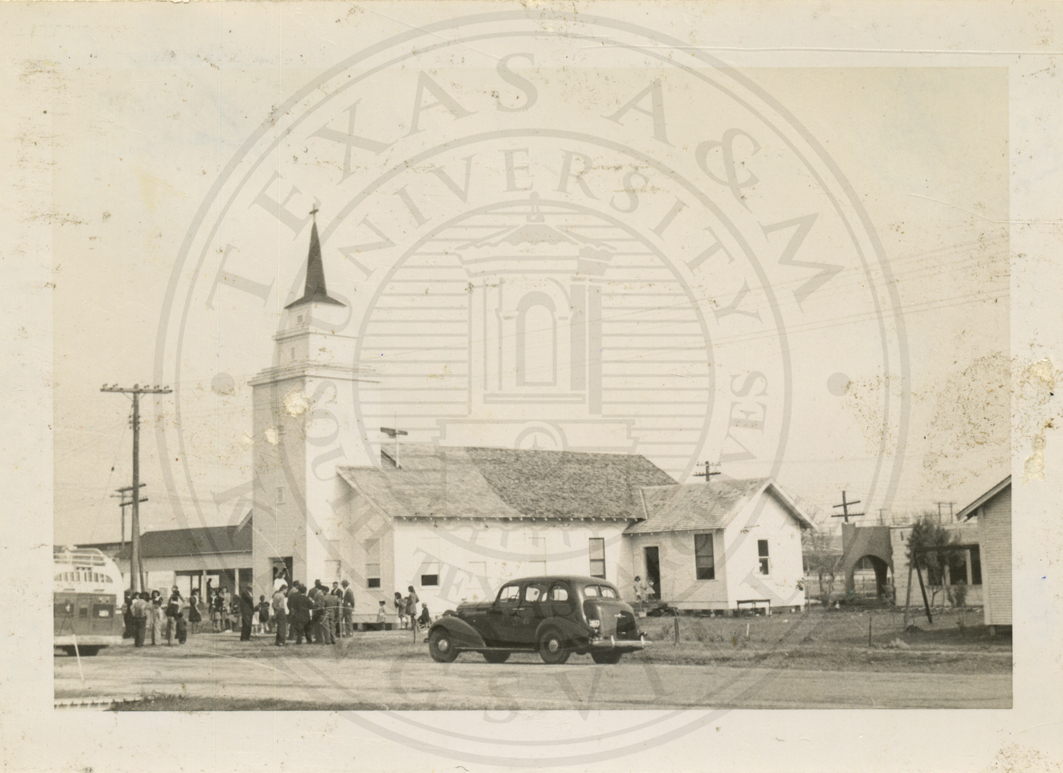
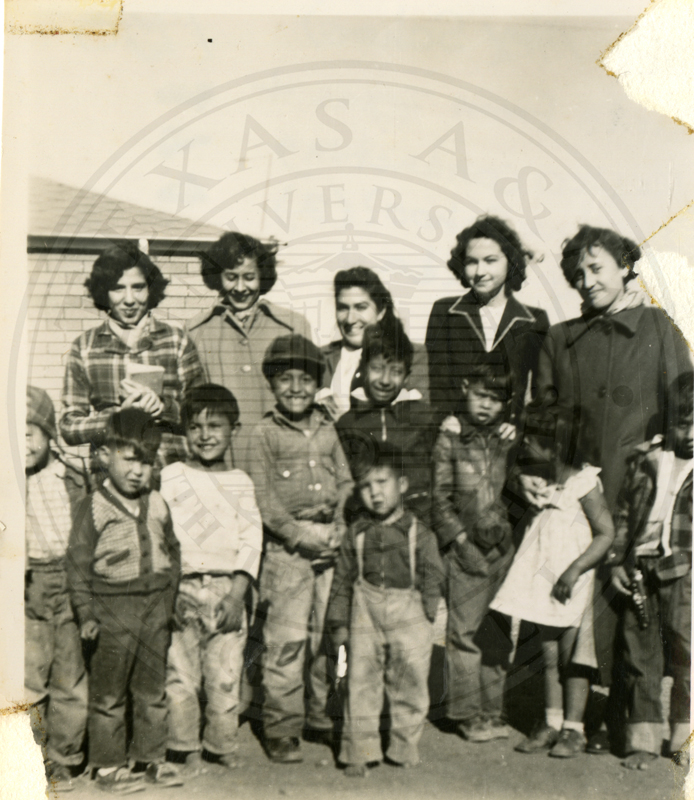
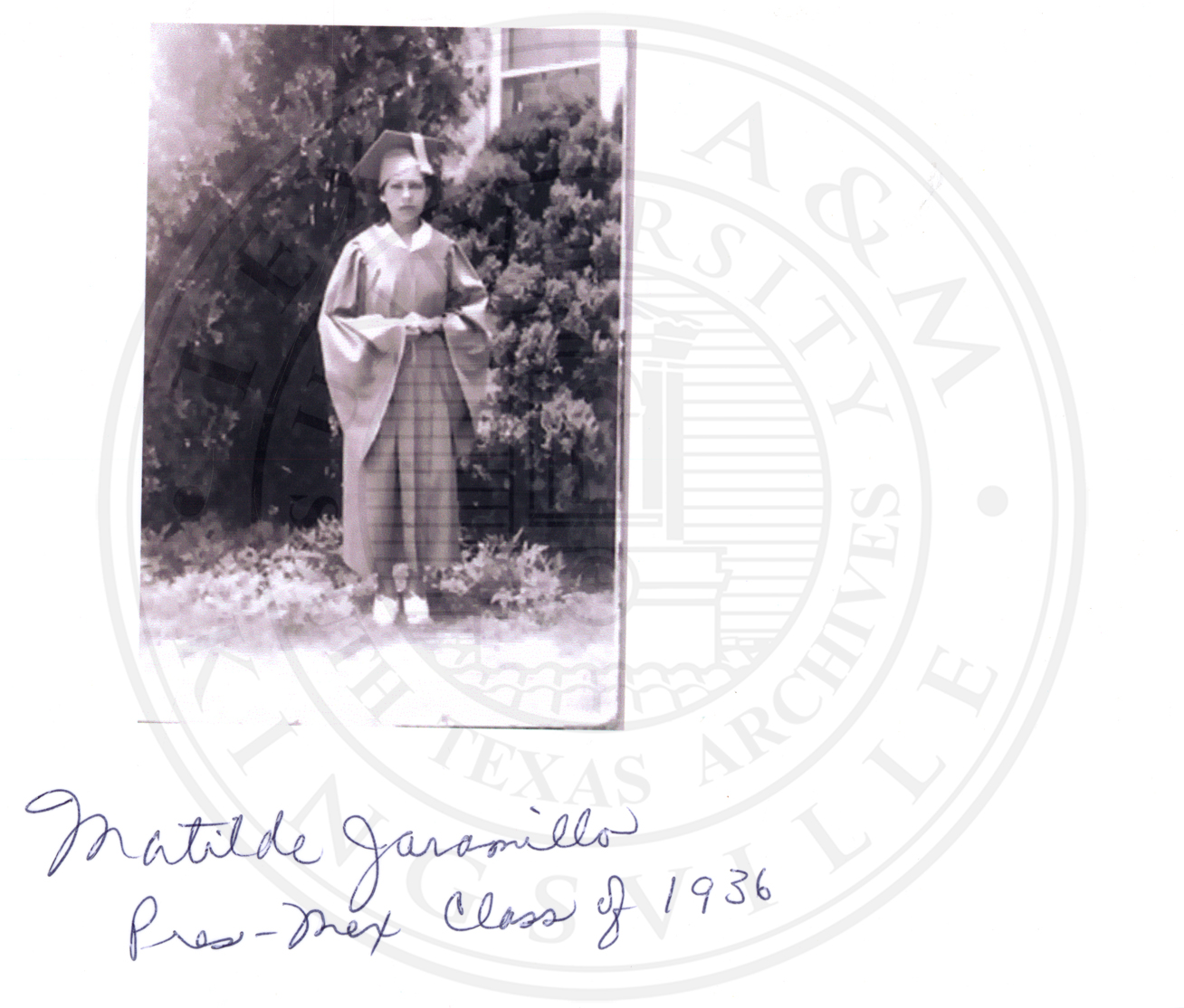
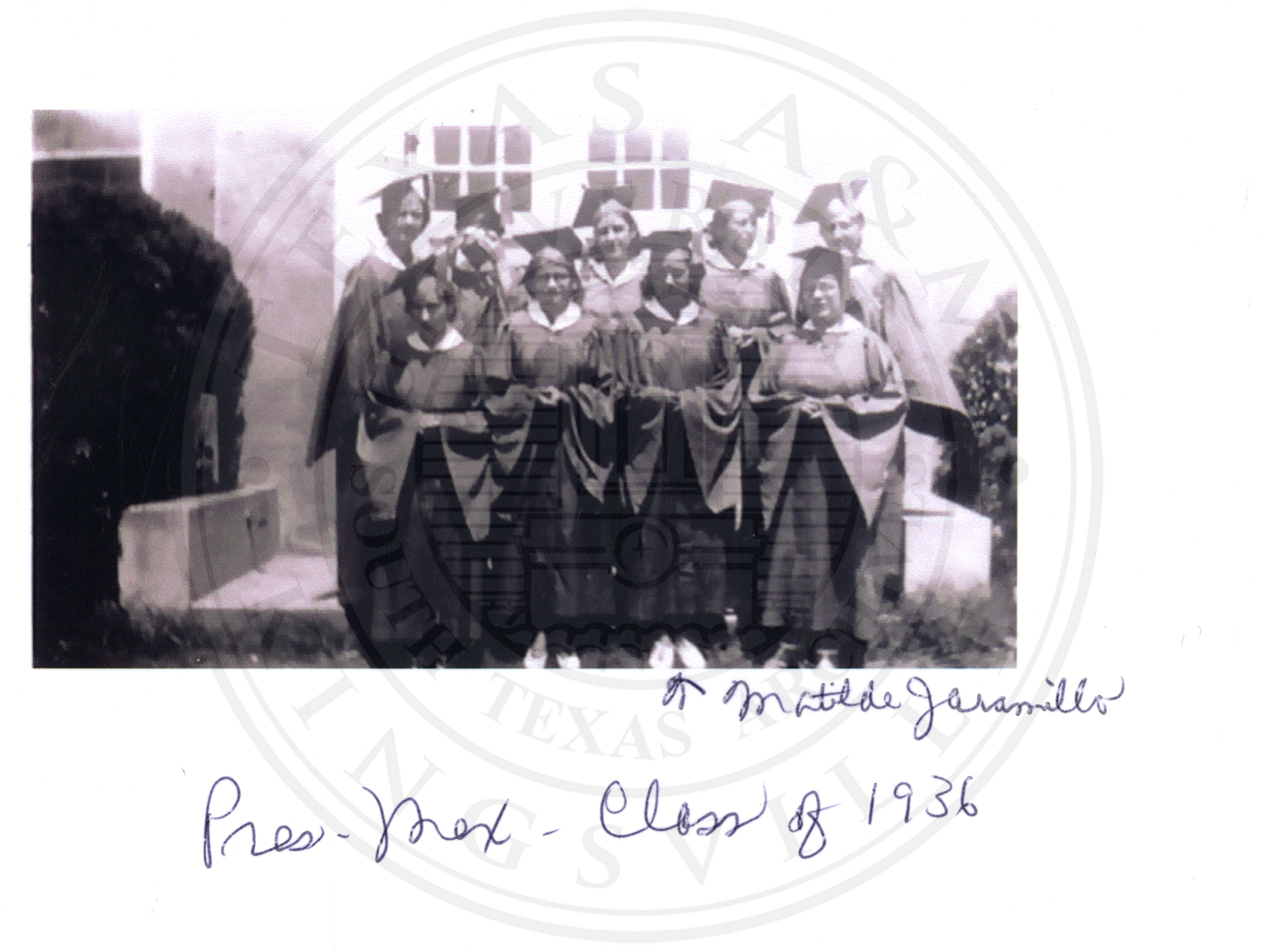
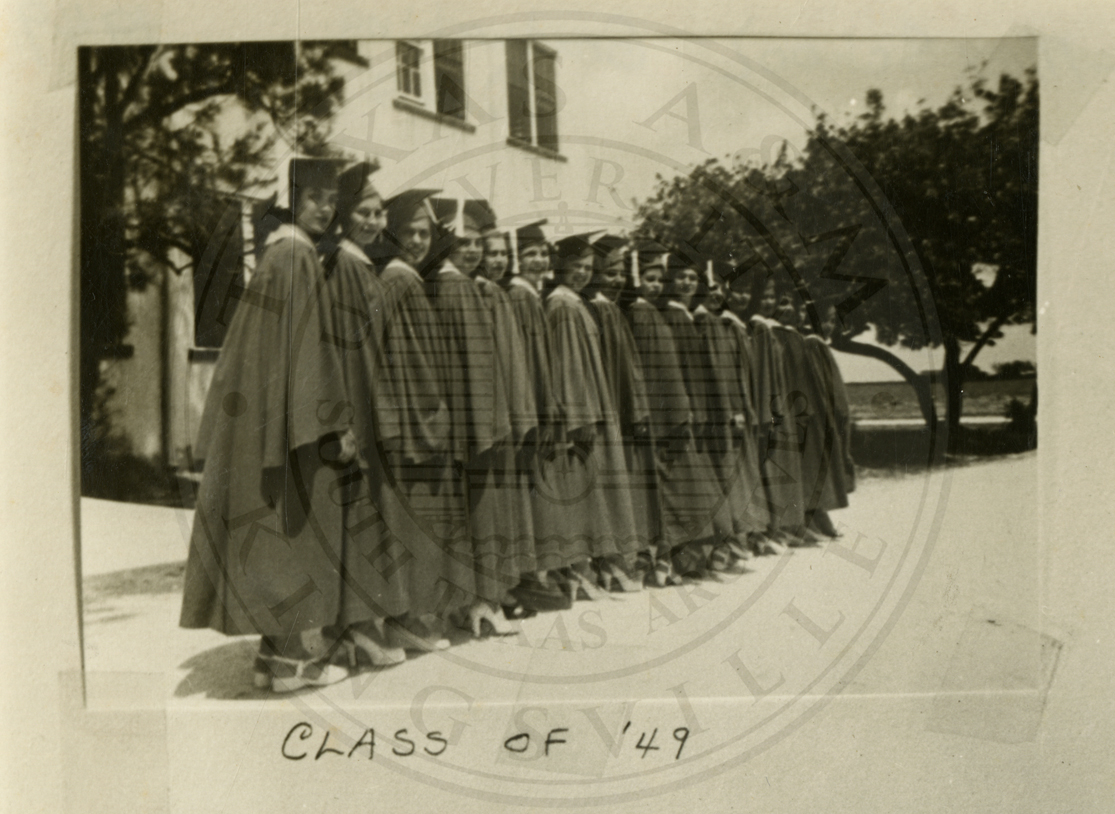
Handbook of Texas — Presbyterian School for Mexican Girls·ppas.org — HistoryThe girls’ school in Taft left fewer prints in the file: its graduates in caps and gowns, its Sunday-school teachers, and Dr. Berta Murray at a Cinco de Mayo.
One coeducational, international school.
At its 100th meeting, in Waco in 1955, the Synod of Texas voted to merge the two schools into a Presbyterian Pan American School that would be thoroughly Christian, international, and coeducational. The Taft campus closed in September 1957; the Kingsville campus was rebuilt to a master plan by O'Neil Ford. Since then the school has graduated classes from across the Americas, Asia and Africa, celebrated its centennial in 2011–12, and in 2024 inaugurated a new president in Morris Chapel.
Handbook of Texas — Presbyterian Pan American School·Texas Historical Commission marker 17274 (2012)·PHSSW — Currie’s Column·PC(USA) News, Feb. 2025“The Presbyterian Pan American School begins its second fifty years with a real sense of gratitude for the past… but with an even greater sense of optimism for the future. The Panamerican dream is only beginning to come to life. There is a great future.”
— Our Heritage, Juntos 1963
At its 100th meeting, in Waco, the Synod of Texas unanimously adopts a long-range study committee's report and takes action to establish a Presbyterian Pan American School — thoroughly Christian, international and coeducational. McLane retires.
Handbook of Texas — Presbyterian Pan American School·Juntos 1963, p. 9The two schools become one under a new president, Rev. Sherwood H. Reisner. The Kingsville campus becomes the home campus and undergoes considerable reconstruction.
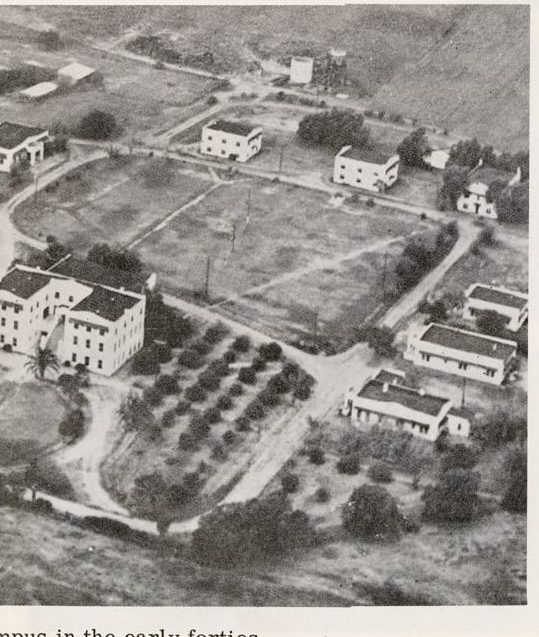
ppas.org — History·Handbook of Texas — Presbyterian Pan American School·Handbook of Texas — Texas Mexican Industrial InstituteThe Taft campus closes in September and a coeducational program begins at Kingsville. By the fall the first phase of a new campus designed by architect O'Neil Ford is complete. Most of the older buildings come down; in their place a chapel, dining hall, dormitories, faculty residence and swimming pool.
Fifty-five pages: the senior class chose the motto I Am Third. Everything on this site that is marked historical begins here.
Juntos 1960, p. 1Open the page →The 1963 Juntos is a 50th Anniversary Edition. Its Our Heritage pages tell the story from Aranama College to the master plan, whose first phase was completed that September; next on the program of building will be a classroom building and library. The Panamerican dream is only beginning to come to life.
Dormitories for sixty boys and fifty-four girls; a chapel, a classroom building, an office building, a library, a swimming pool and athletic fields. Total enrollment in 1965–66 is 114. From the late 1950s to the mid-1960s students come from a variety of U.S. states as well as Guatemala, Mexico, Congo, Cuba and Colombia.
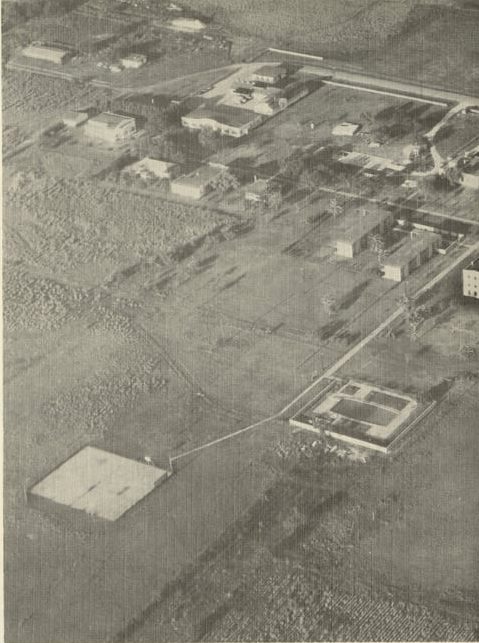
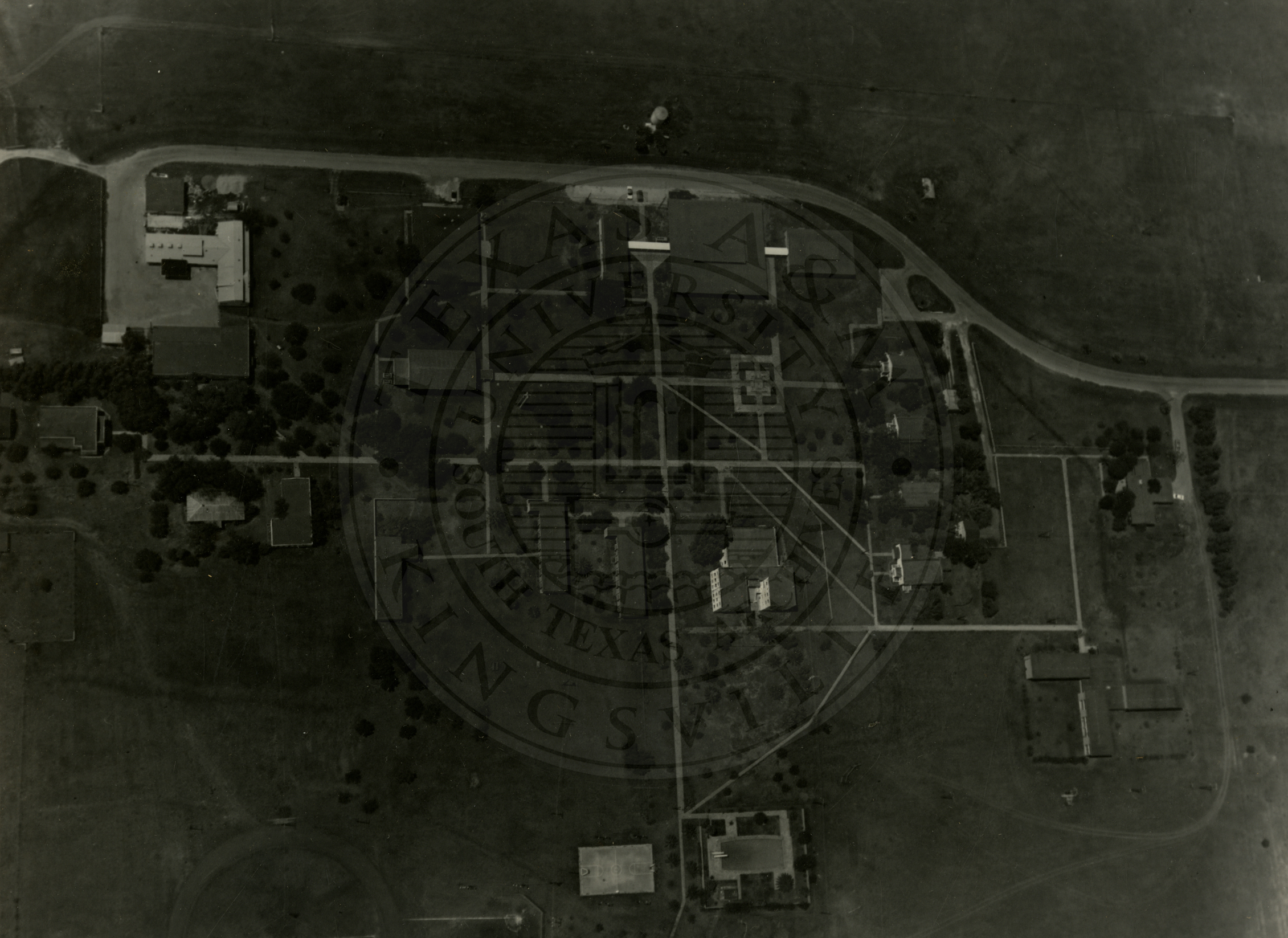
Handbook of Texas — Presbyterian Pan American School·Texas Historical Commission marker 17274 (2012)The 1967 Juntos marks ten years of Pan Am with aerial photographs of the campus in 1959 and 1962. The January board meeting is held in the new classroom building.
Juntos 1967, p. 10·Juntos 1967, p. 14Open the page →For the first time the yearbook prints Reisner's title as Headmaster; the classes are the First, Median and Senior Forms. Enrollment in 1972 is 110, with a faculty of thirteen.
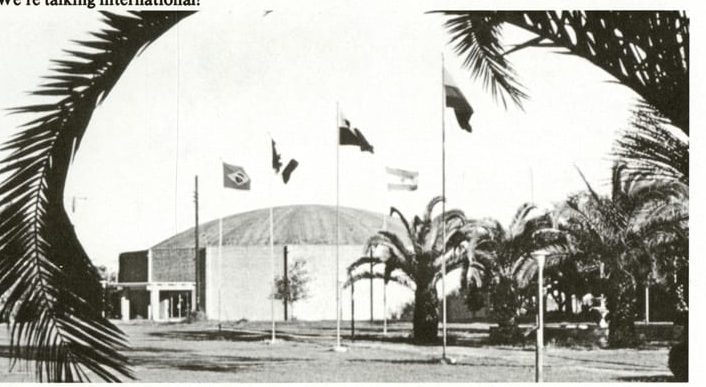
Juntos 1971, p. 13·Handbook of Texas — Presbyterian Pan American SchoolThe domed gymnasium is built, a gift of trustee J. Weldon Thomas.
This year Presbyterian Pan American School passed from the ownership of the Synod of Red River to that of the Presbyteries of Texas, the yearbook reports. By 1980 the school is owned and operated by the Board of Trustees in covenant with the five presbyteries in Texas of the Synod of Red River and with the Synod.
Juntos 1975, p. 10·Juntos 1980, p. 7David R. Gifford succeeds Reisner, who becomes the first director of a new office of development. Hurricane Allen damages the campus. In September Mrs. Peggy Bell is elected chairperson of the board — her first acts include improvements to the dorms.
Handbook of Texas — Presbyterian Pan American School·Juntos 1982, p. 6Rapid devaluation of the Mexican peso sharply increases the need for scholarships for the mostly-Mexican student body.
Handbook of Texas — Presbyterian Pan American SchoolThe school opens a day department for students from the Kingsville area. Perry Reed retires after thirty-six years.
Handbook of Texas — Presbyterian Pan American School·Juntos 1983, p. 8Accreditation by the Southern Association of Colleges and Schools; the 1988 yearbook notes accreditation by the Texas Education Agency as well. The Synod of the Sun contributes about 7 percent of operating income in 1987–88.
Handbook of Texas — Presbyterian Pan American School·Juntos 1988, p. 7The 75th-anniversary Juntos retells The Story of Pan Am: financial struggles, drought, hurricanes, and other calamities wrecked many of the campus' original buildings. Even so, faith and perseverance were never lost.
Juntos 1988, p. 7Open the page →The trustee and benefactor whose gifts built the Isabel Thomas Classroom Building, the William Lee Thomas Gymnasium and the Berta Murray Girls' Dormitory, and who helped fund the Reisner Science Building and the remodeling of the McLane Administration Building, dies in Dallas on July 7. His grandson David Thomas is in the class of 1978.
Juntos 1992, p. 8See the class →Expected enrollment for 1994–95 is 120, mostly boarding students, from seven countries. Nine trustees are elected by the Synod of the Sun, nine by the board and two by the National Presbyterian Church of Mexico.
Handbook of Texas — Presbyterian Pan American School·Juntos 1994, p. 7Dr. James Matthews arrives — interim president in the 1998 yearbook, president for the next fourteen years.
Juntos 1998, p. 8·Juntos 2005, p. 6In his letter to the class of 2005, Matthews reports a new master plan for a campus that will serve the needs of students for at least the next 50 years, and looks forward to the centennial: 100 years of life-changing events… 100 graduating classes, including the class of 2005.
Juntos 2005, p. 6Open the page →The graduation of the class of 2011 opens the Centennial Year — the 99th time students have left the friendly confines of this school. The class of 2012 closes it, and Matthews retires with them: the school enters a second century with new leadership. The Texas Historical Commission erects a marker on FM 772 in 2012.
Juntos 2011, p. 6·Juntos 2012, p. 4·Texas Historical Commission marker 17274 (2012)Open the page →Rev. Dr. Doug Dalglish is the new president in the year the school just graduated largest group of seniors ever, with students from Mexico, Rwanda, Korea and China.
Presbyterian Outlook, Sept. 2014Juntos 2018 — Twenty Eighteen — is the most recent volume scanned. Everything after it comes from the school's website and the church press.
Juntos 2018, p. 1Open the page →W. Joseph King takes office on August 1. Rev. Suk Jong Lee becomes the school's first chaplain in fifteen years. About seventy students, from Mexico, China, South Korea, Rwanda, Taiwan and Colombia; roughly 91 percent receive scholarship support.
PC(USA) News, July 2024·PC(USA) News, Aug. 2024·PC(USA) News, Oct. 2024Alumni, trustees and friends gather for a Friday dessert reception and a Saturday ceremony ending in Morris Chapel. Since its beginning, Pan Am has been a visionary project, King says, and in its modern form, it continues to be.
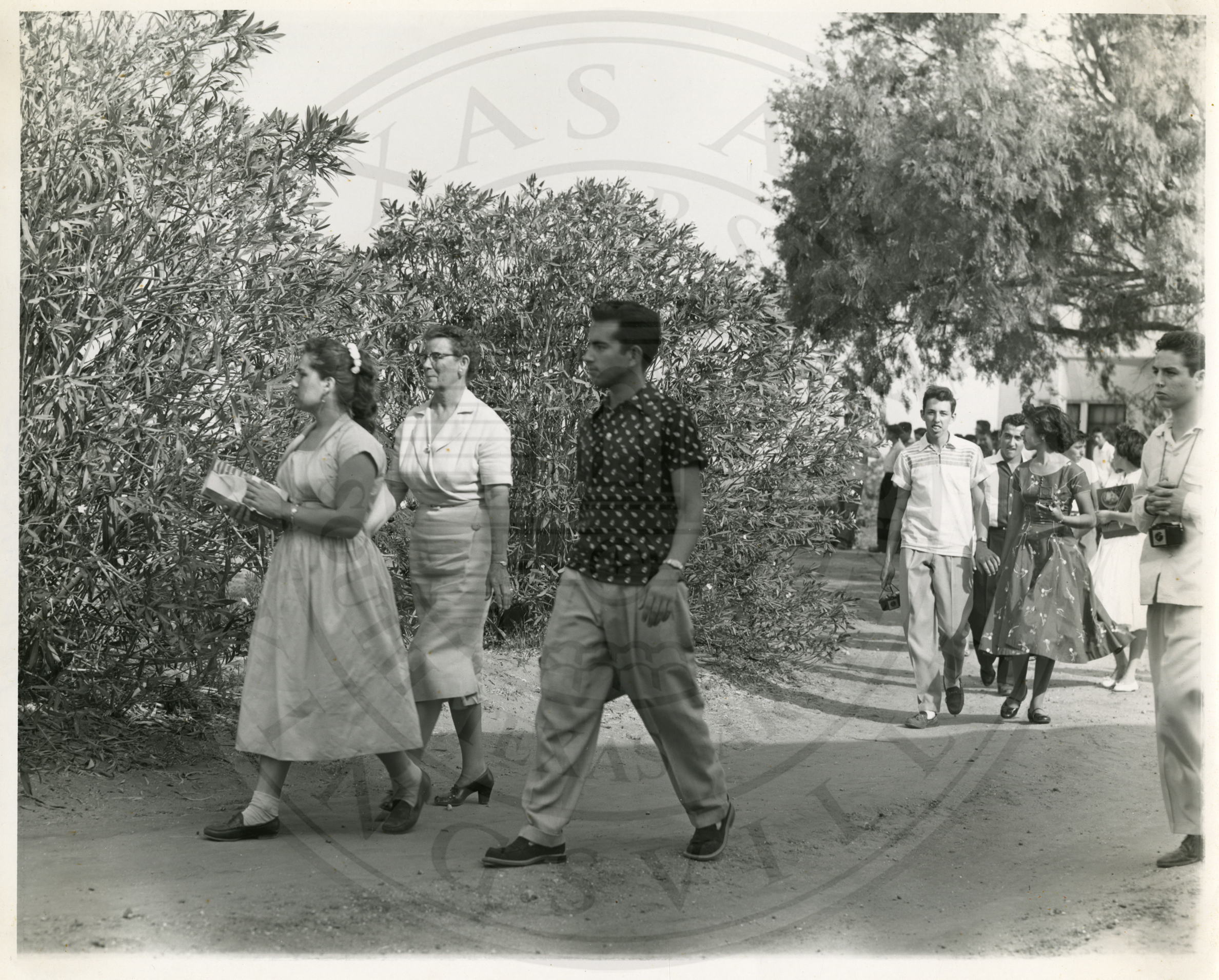
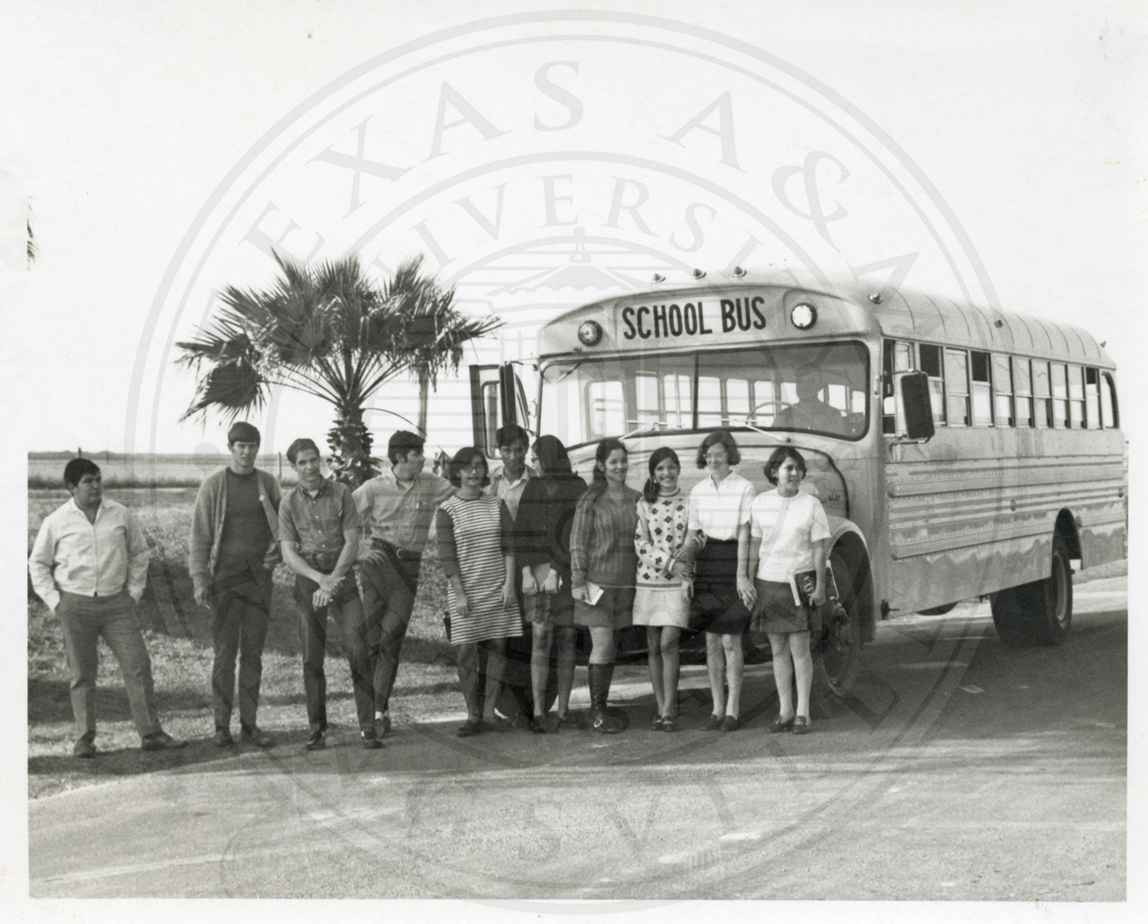
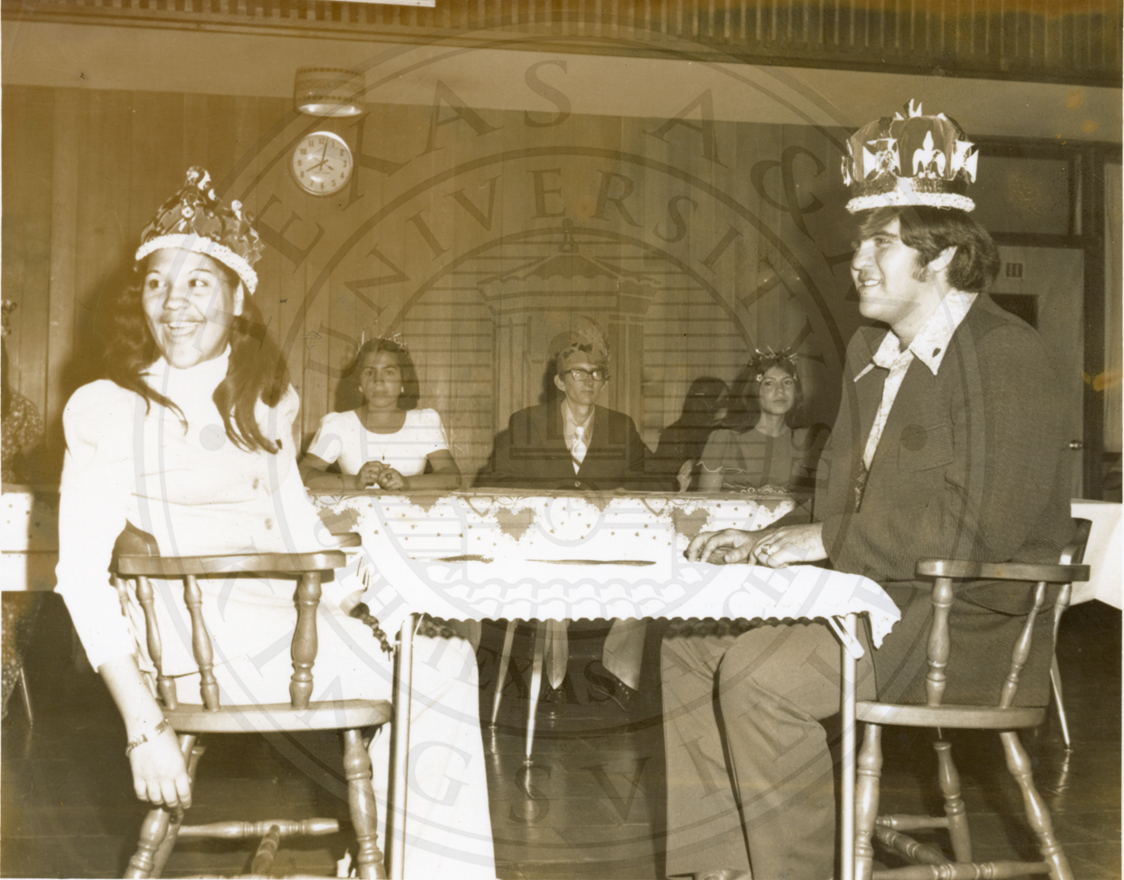
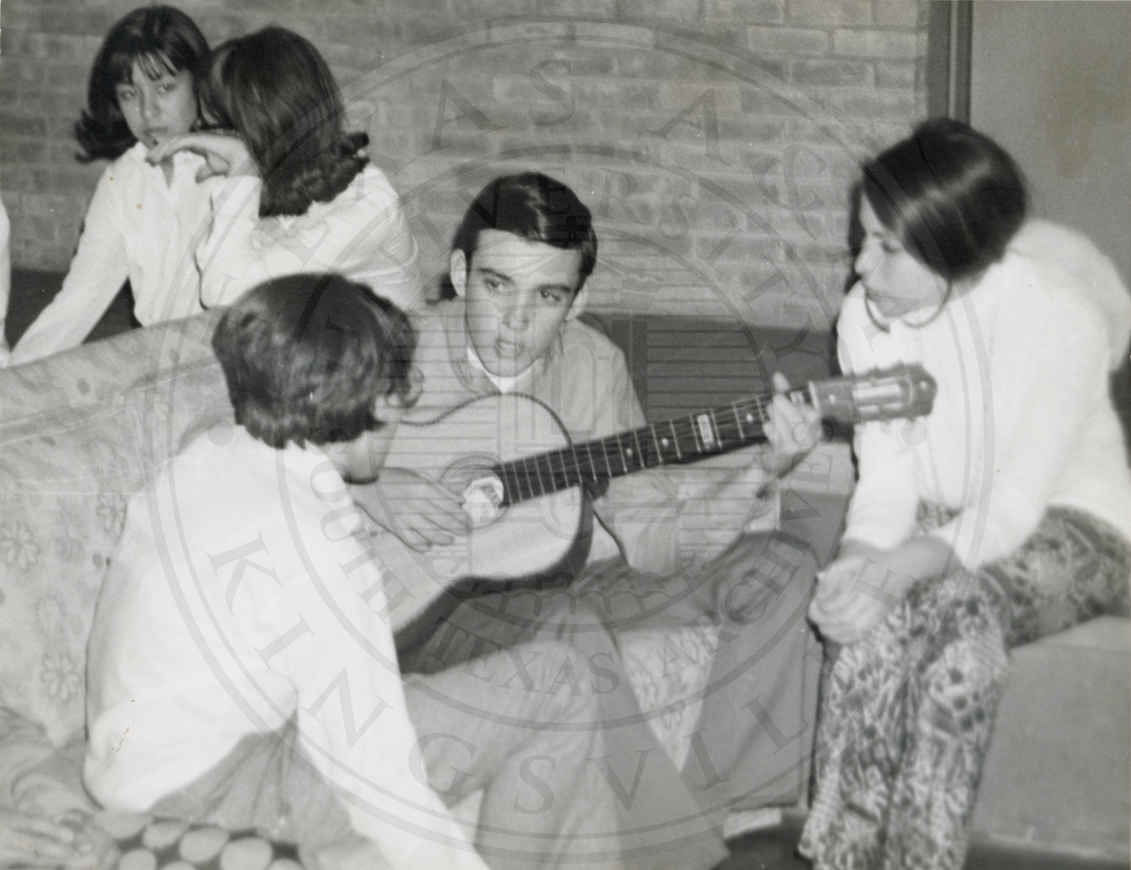
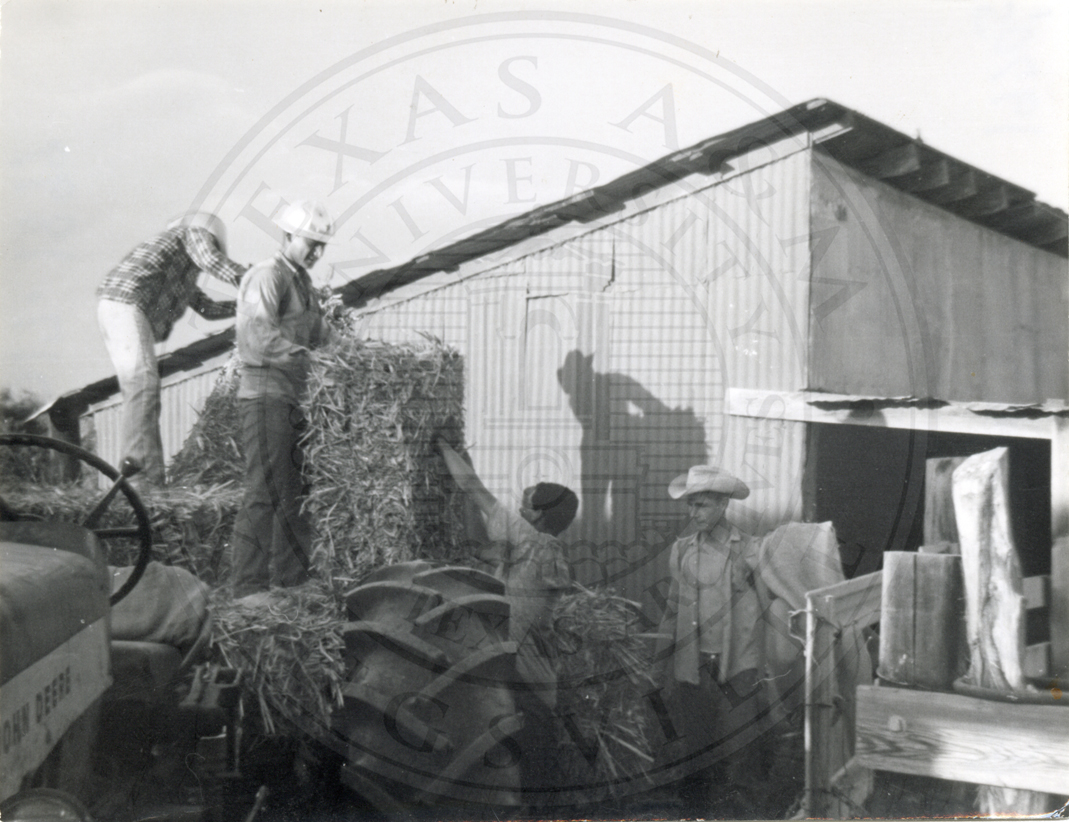
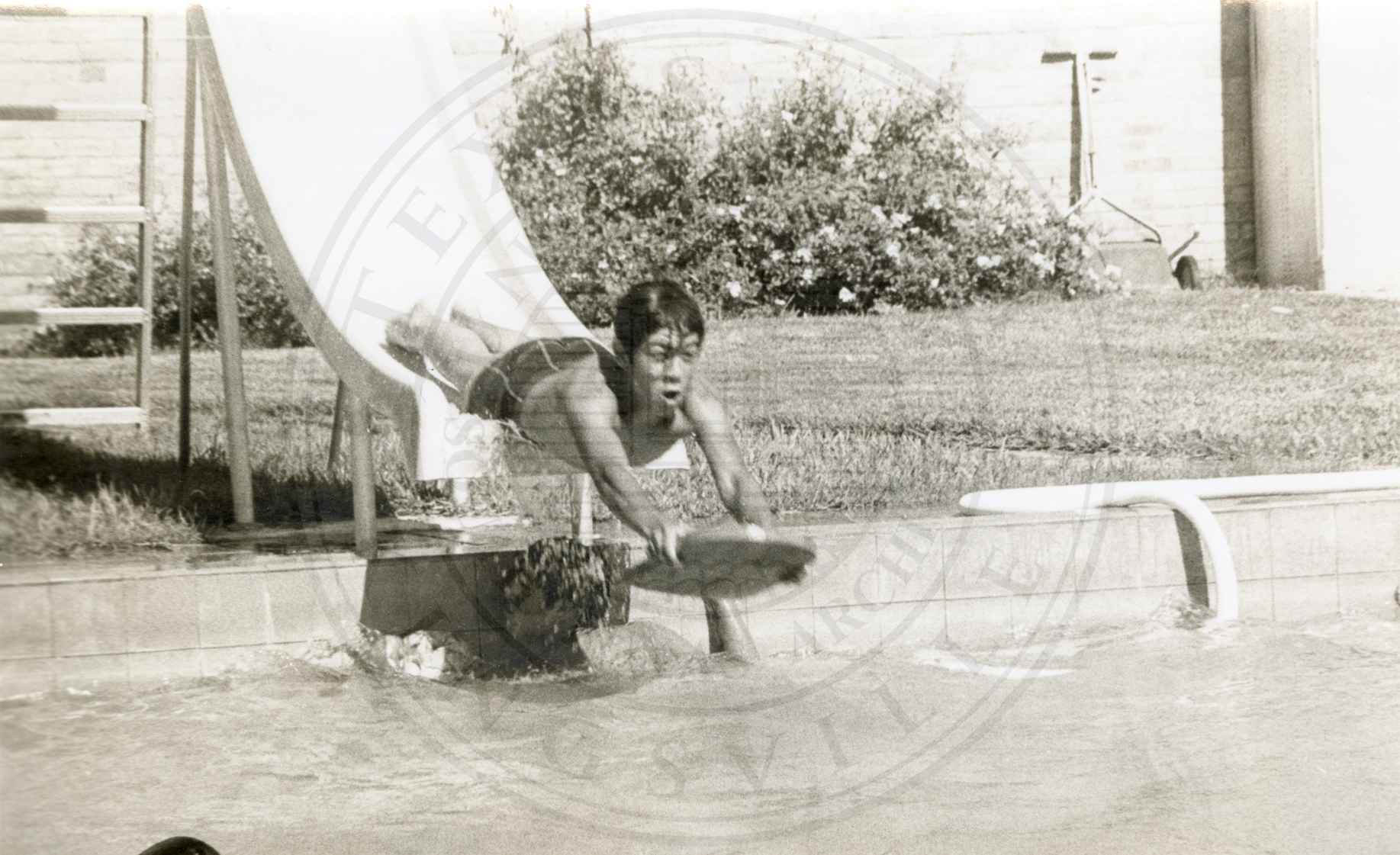
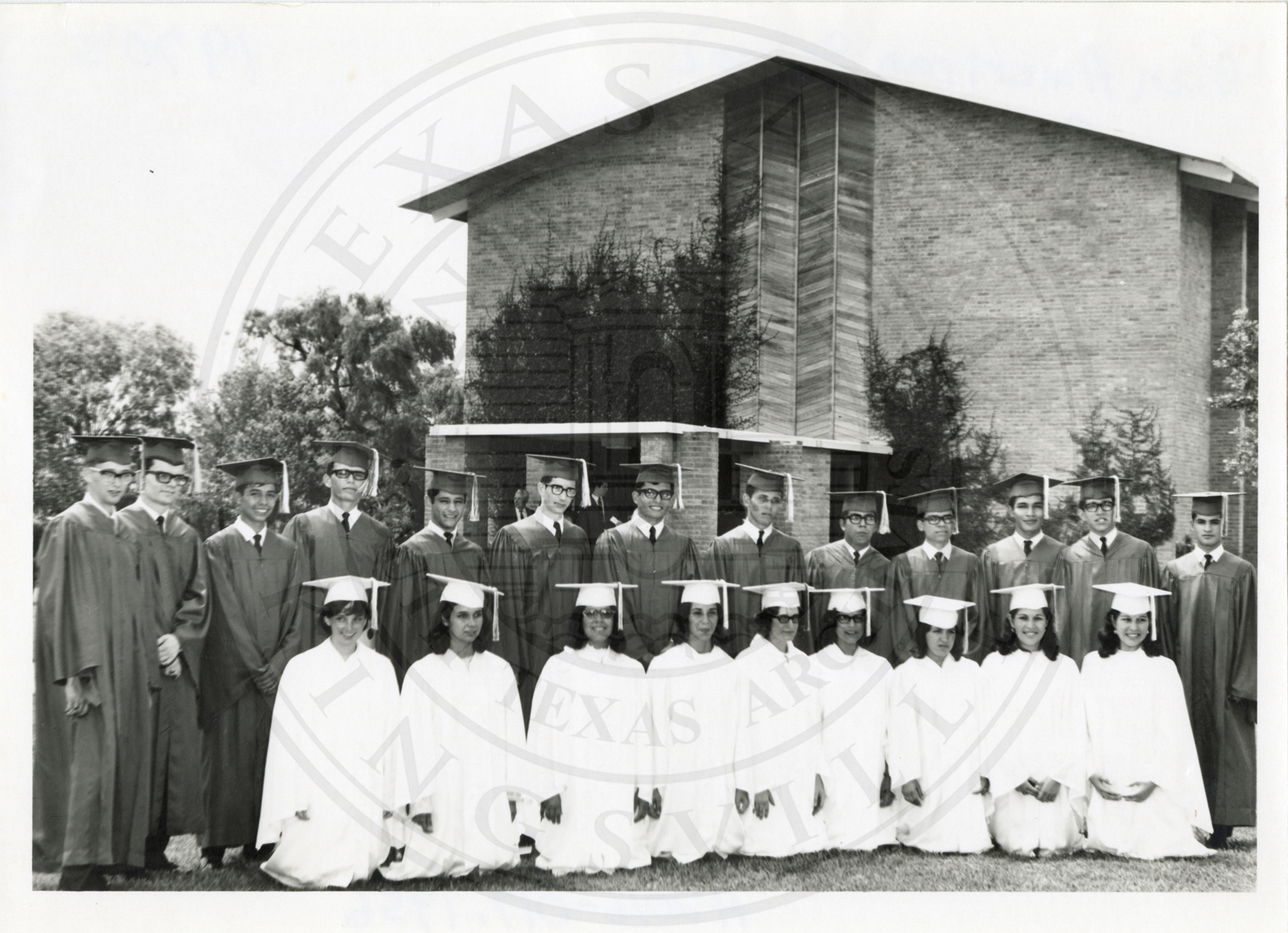
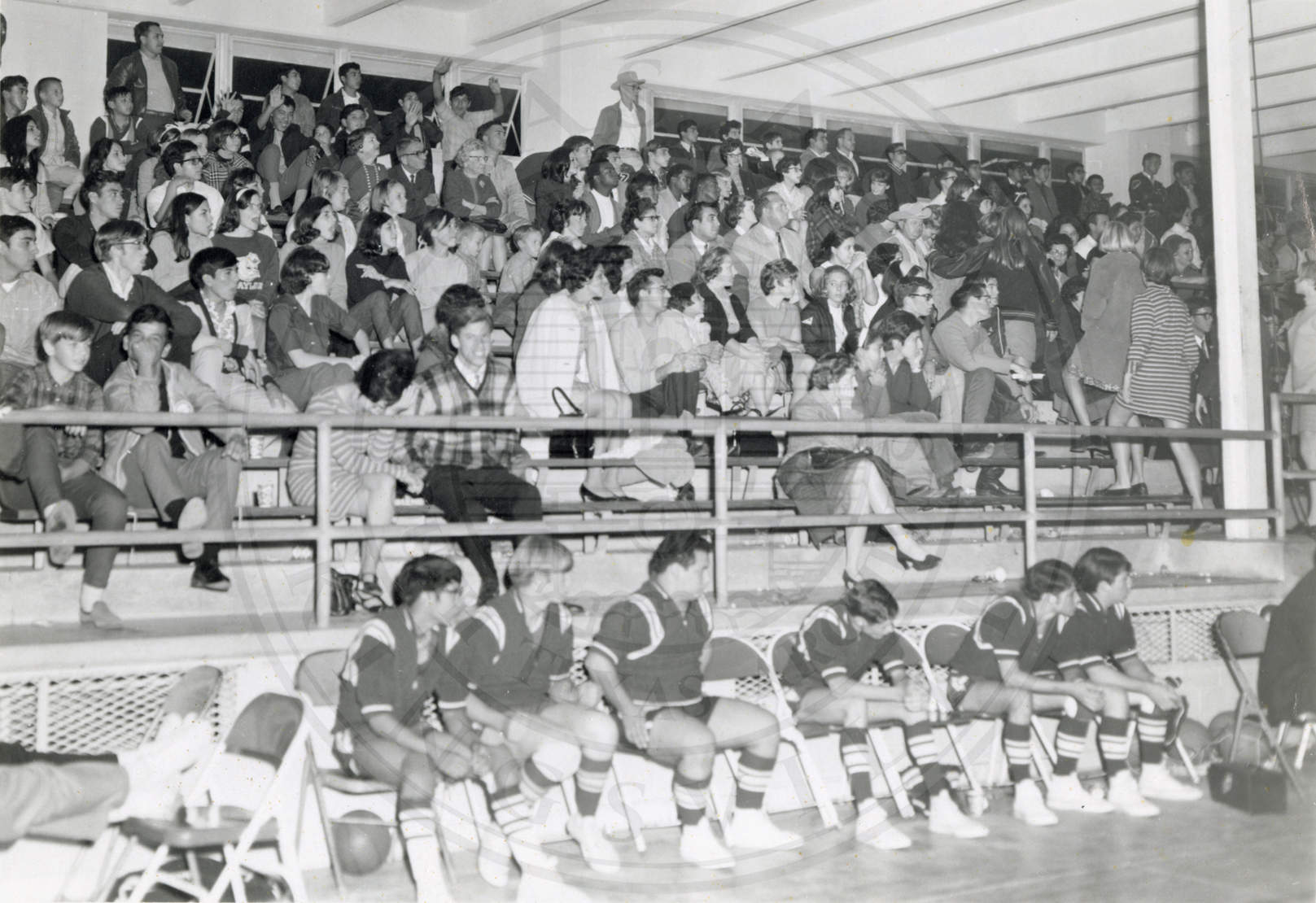
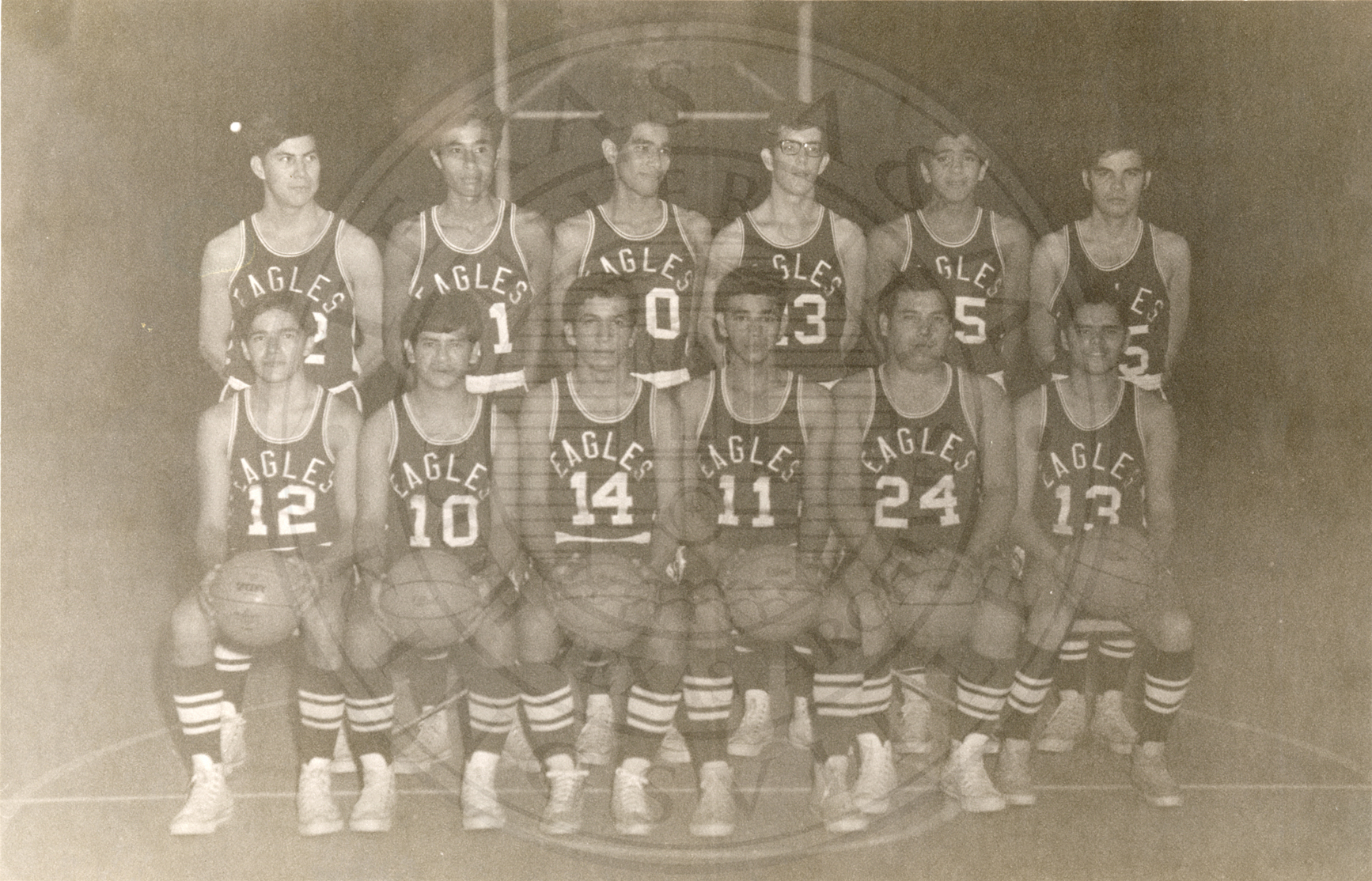
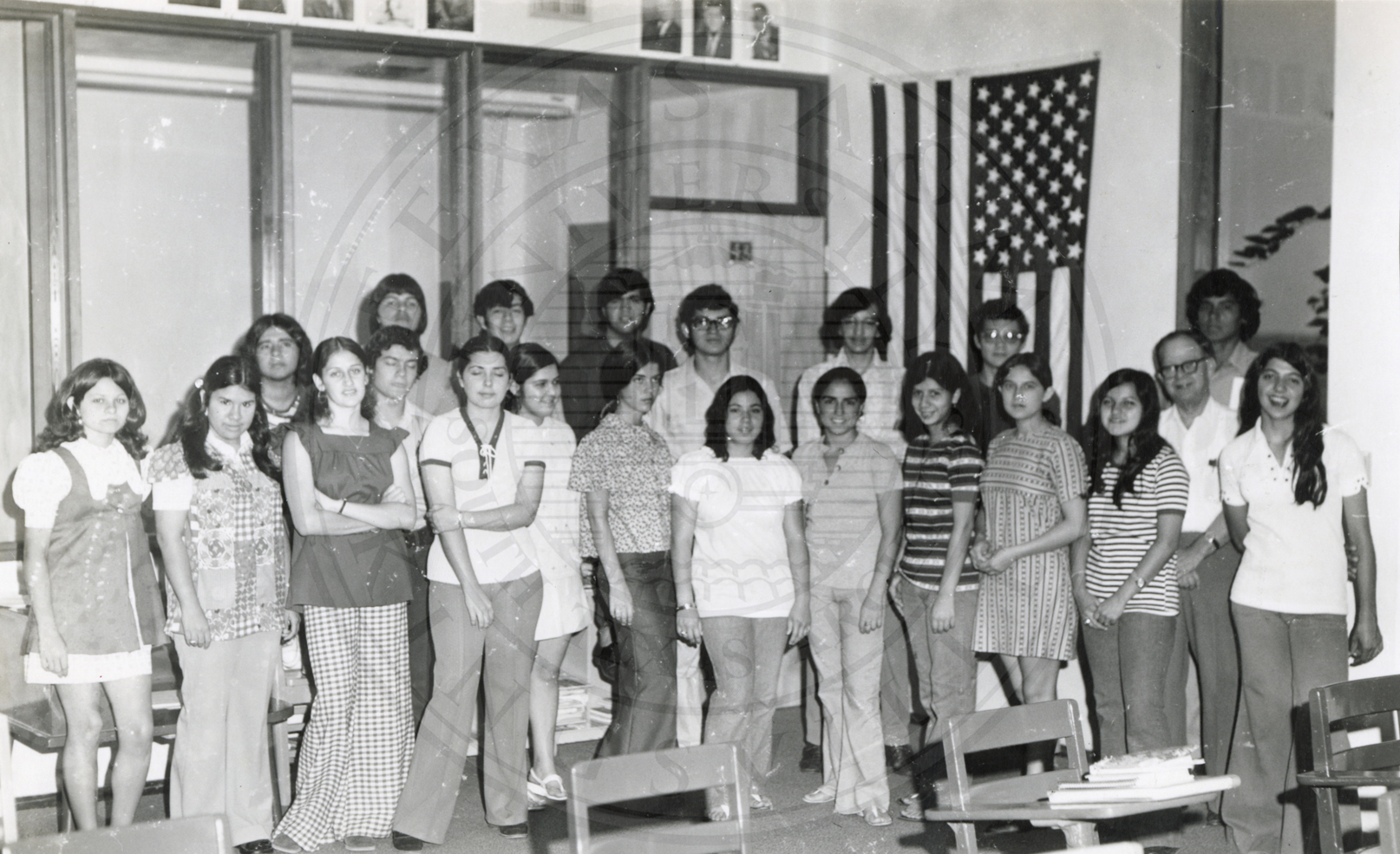
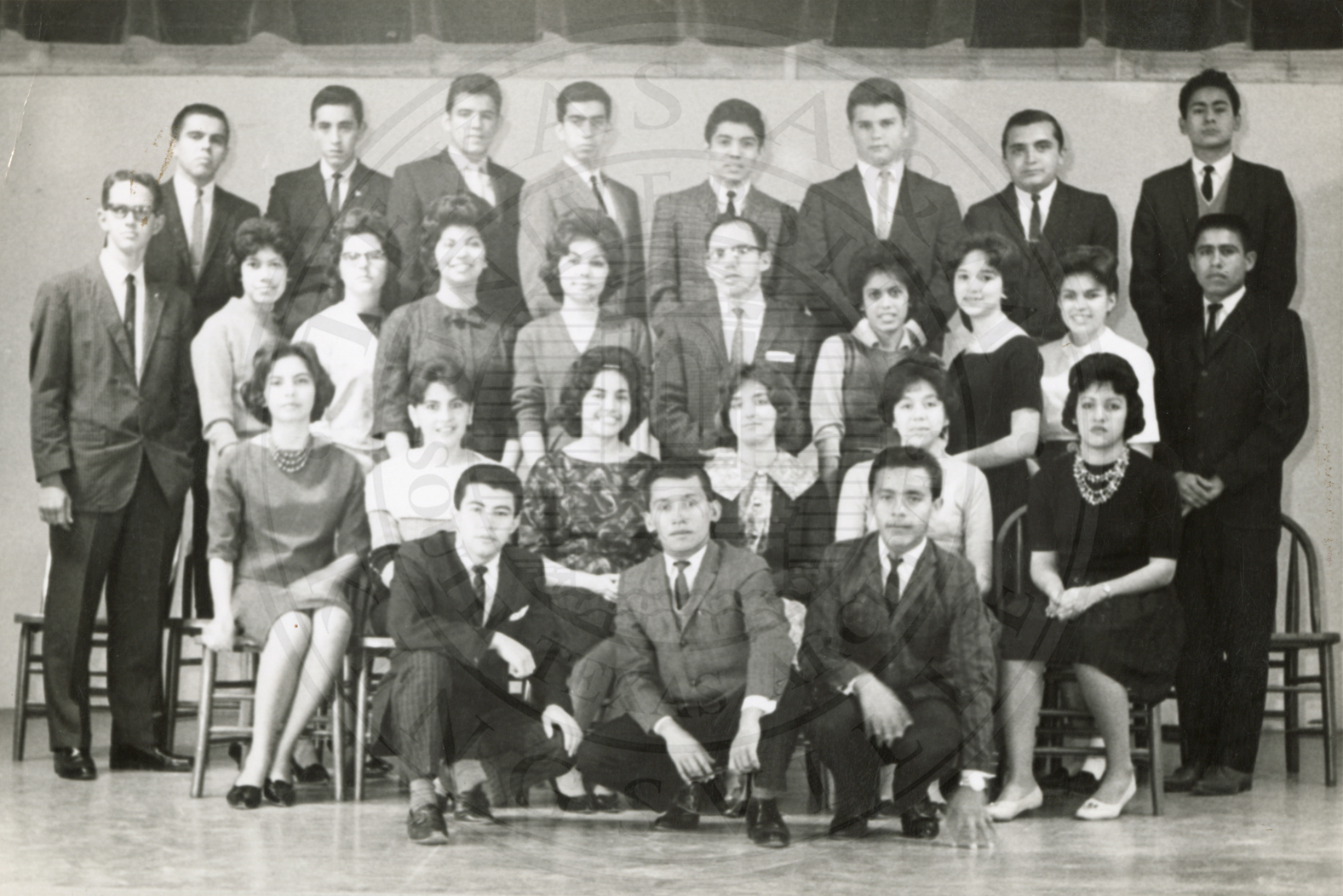
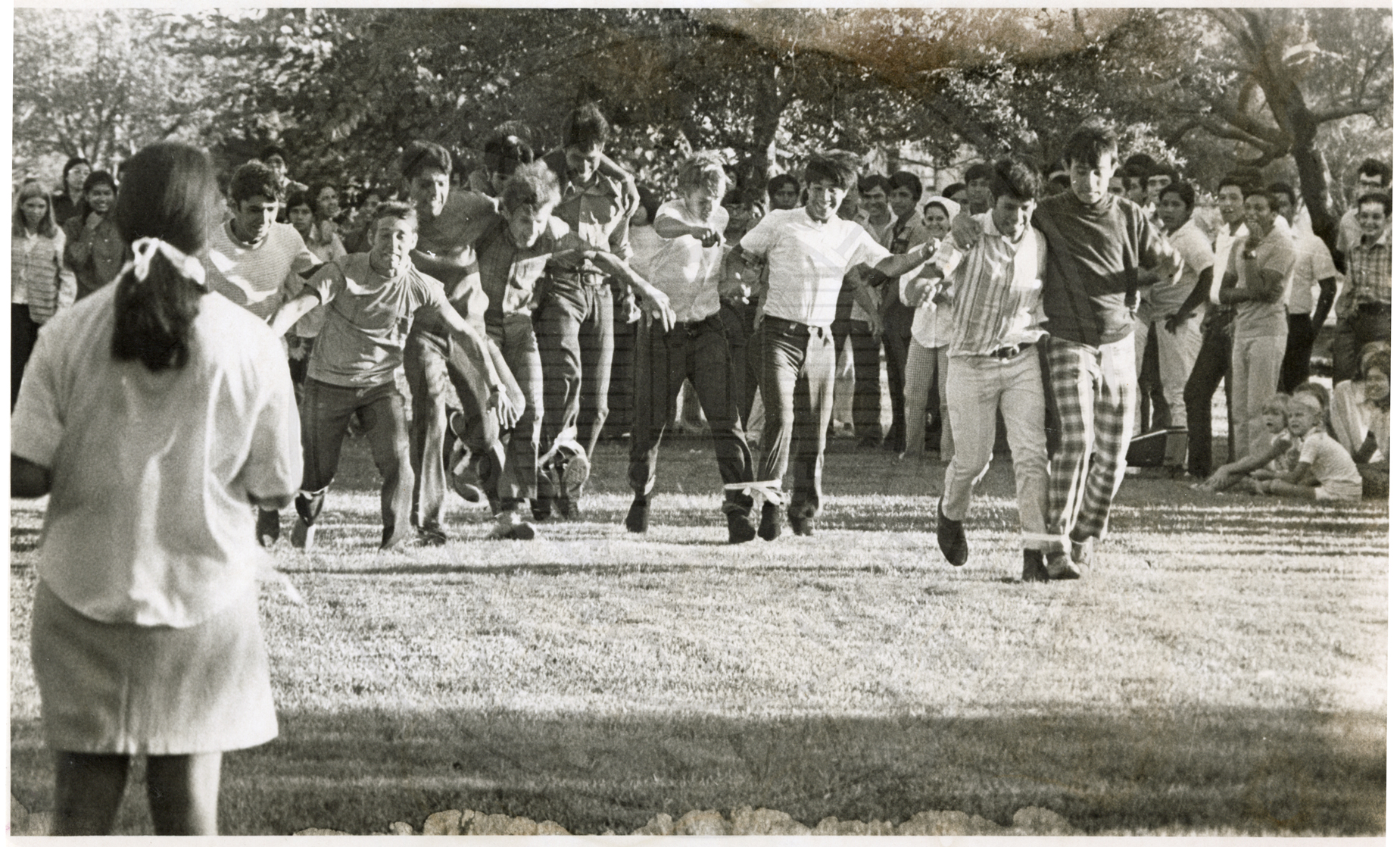
ppas.org news — Inauguration of Dr. King·PC(USA) News, Feb. 2025Go there →A few of the file’s undated prints from the merged school’s first decades. The dated ones sit on the class pages of their year — every class from 1960 to 1972, and 1990 to 1995, has some.
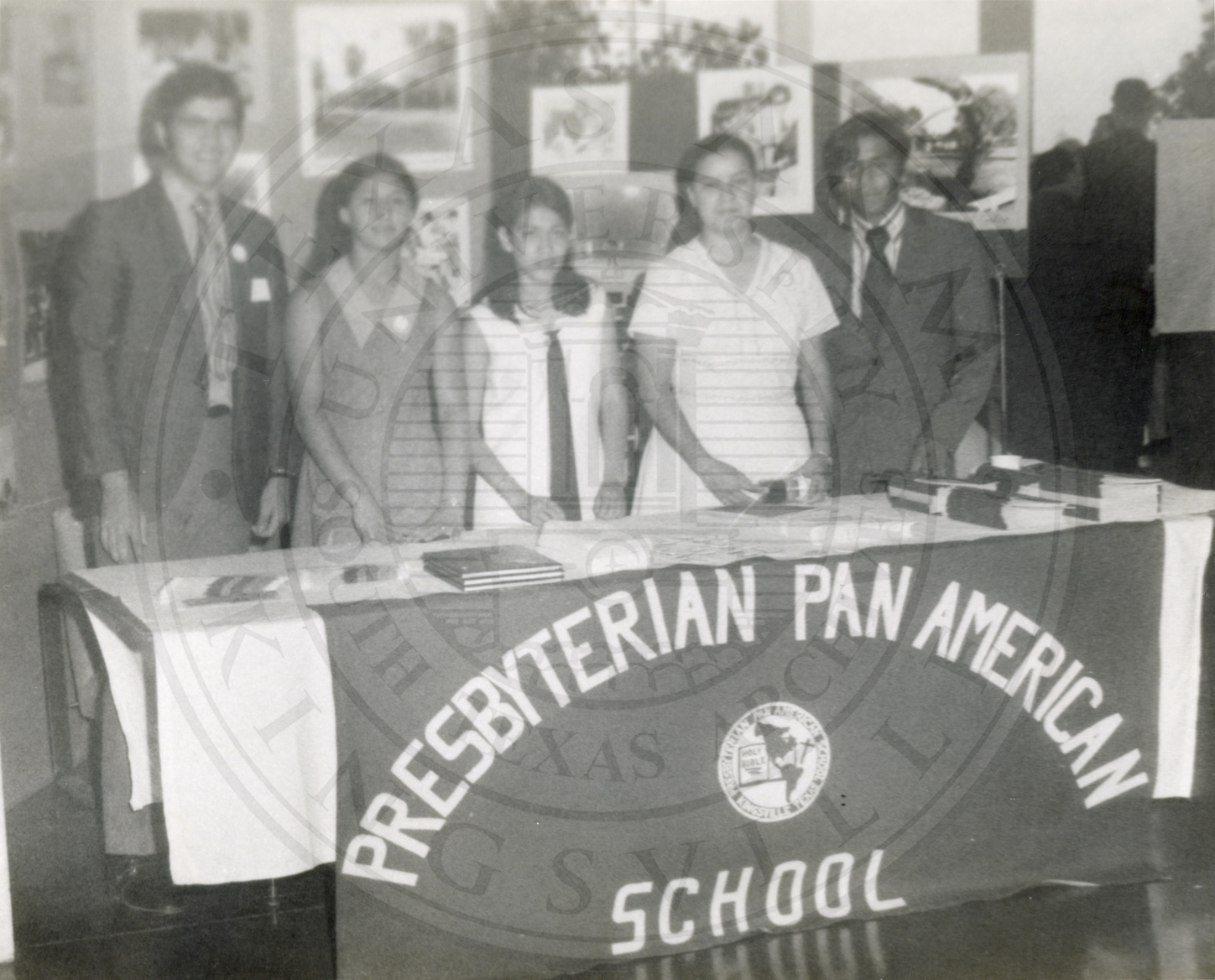
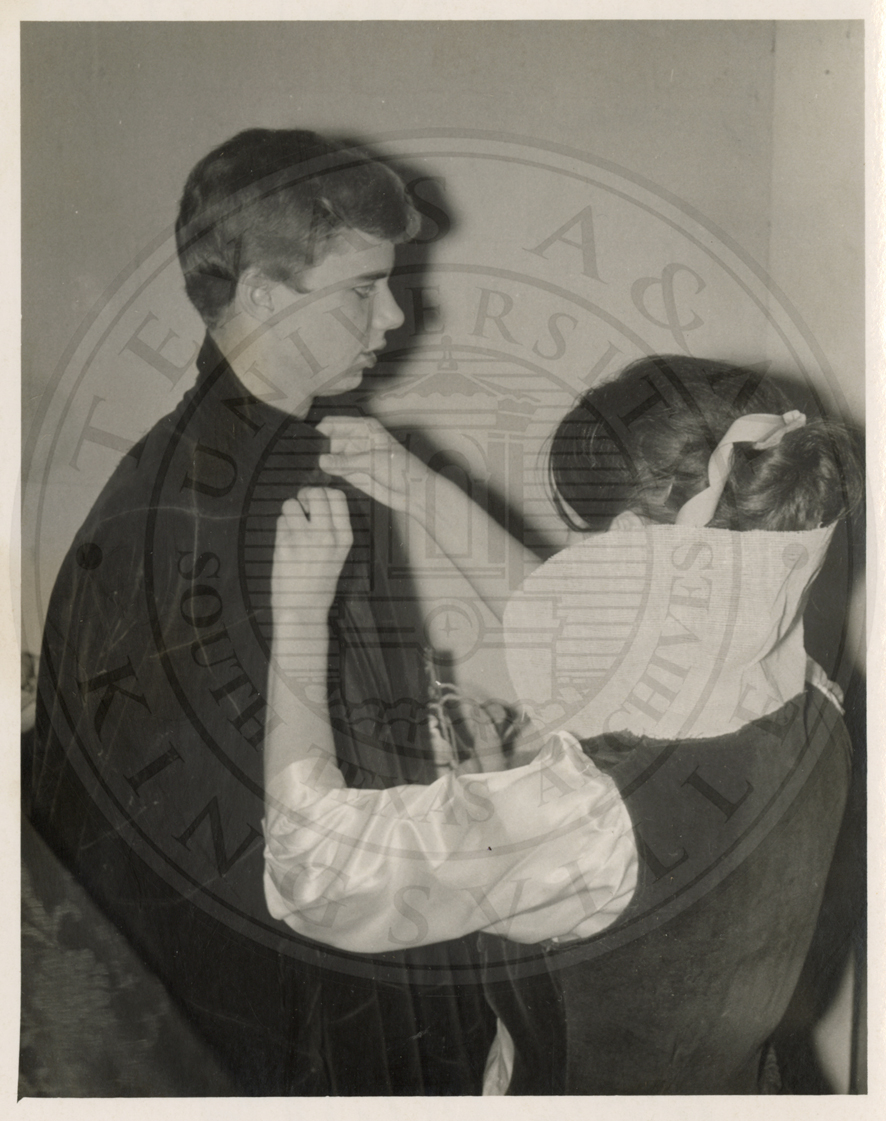
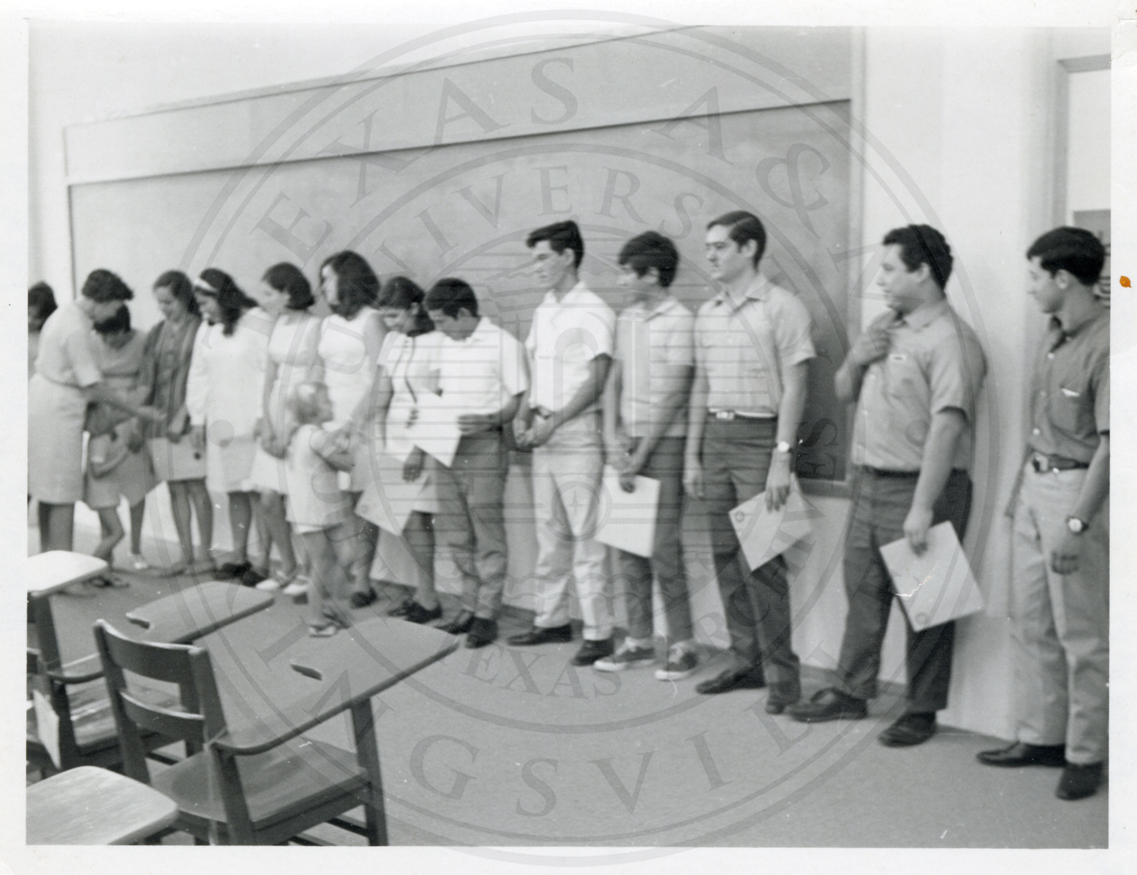
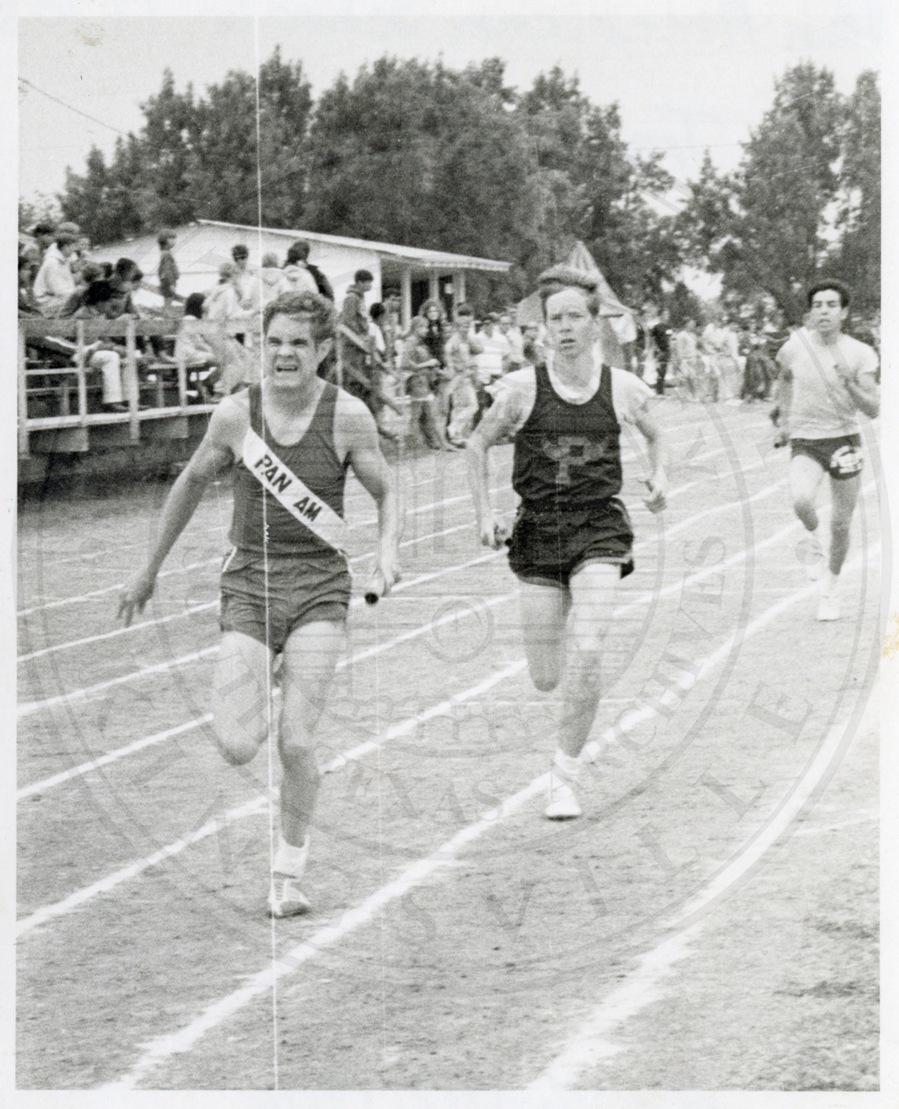
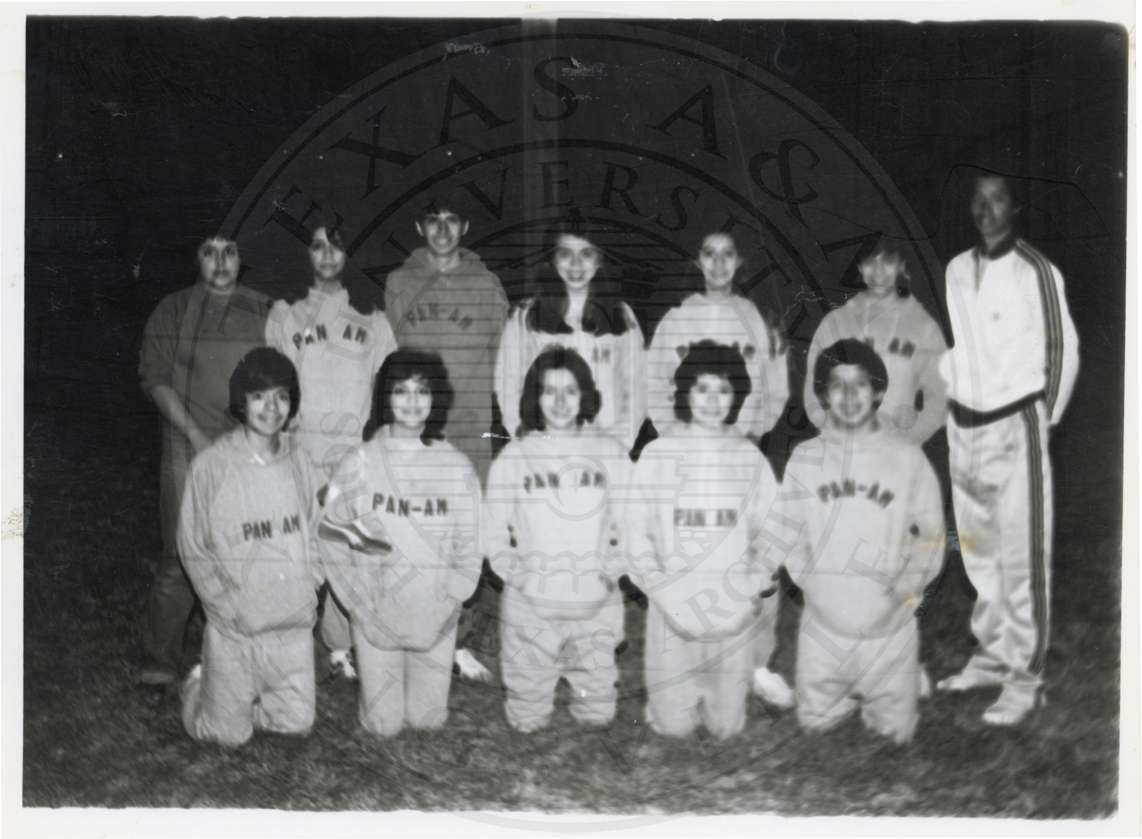
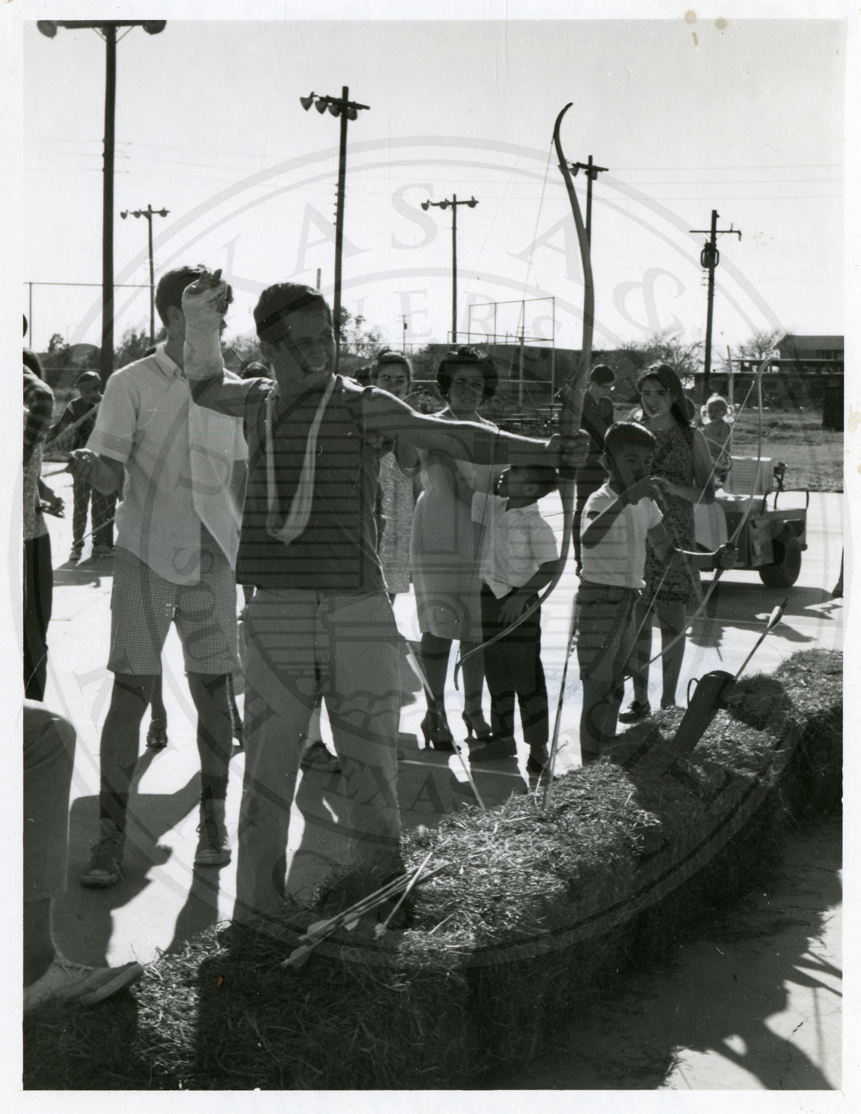
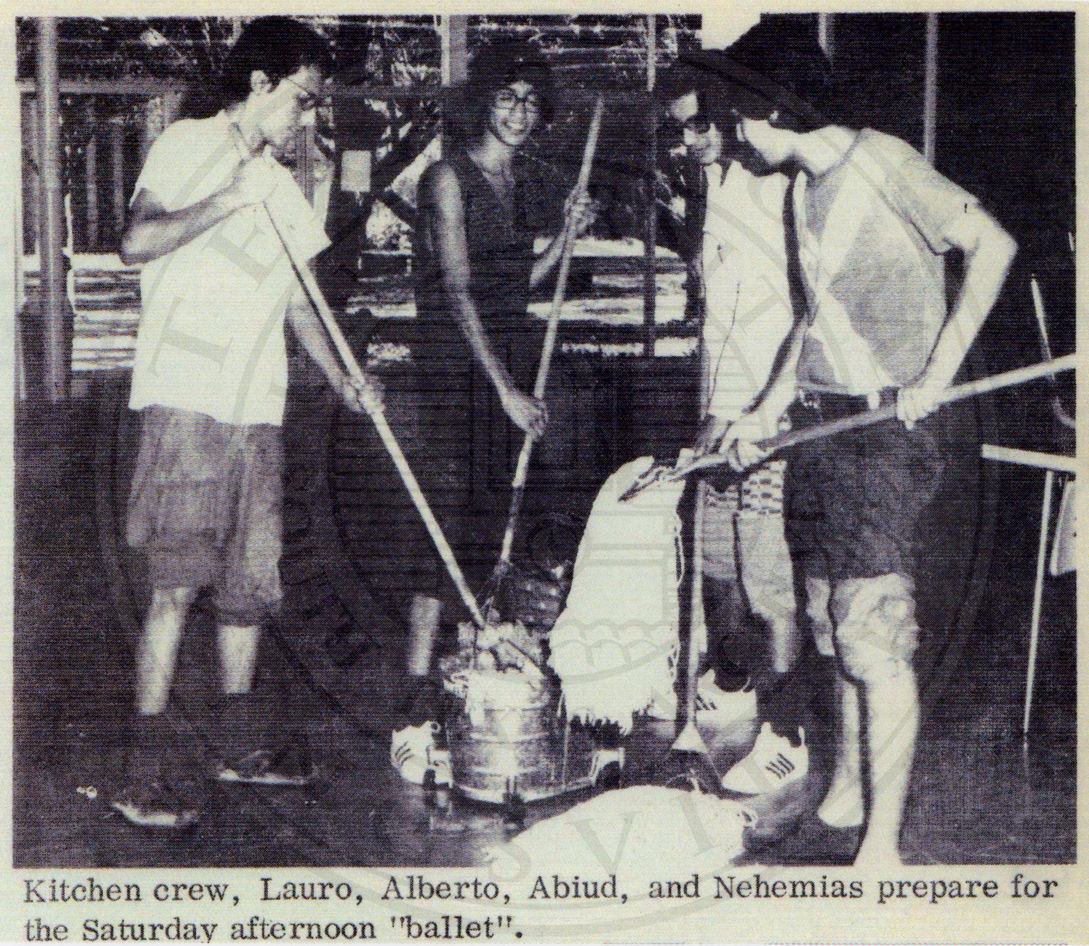
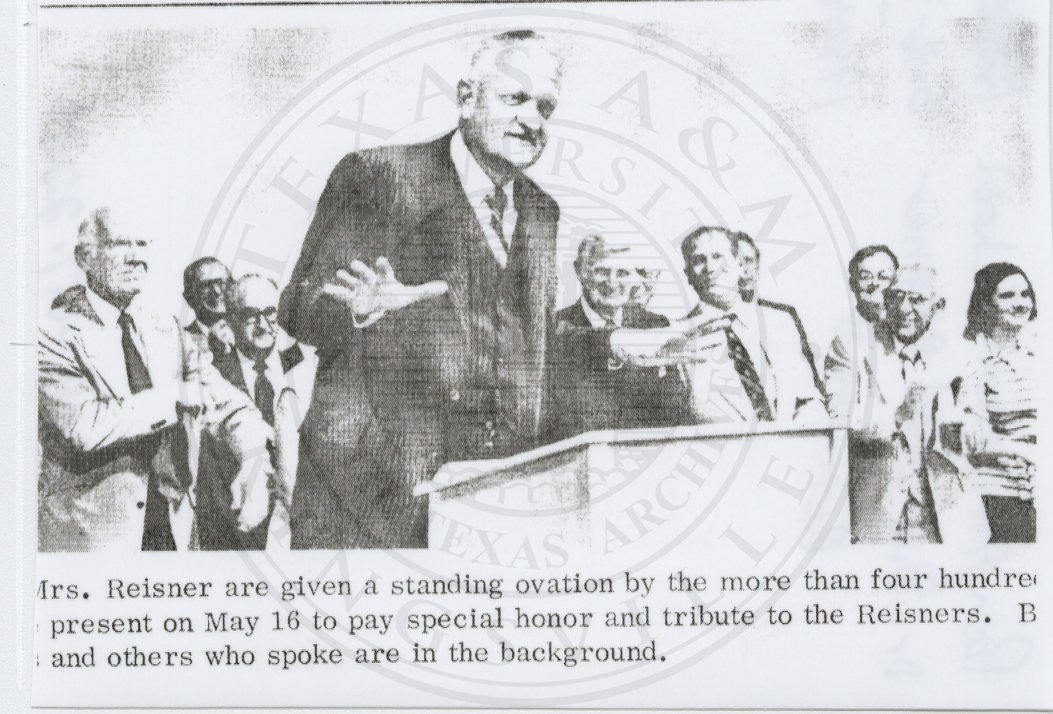
Every head of school we can document, with the title the yearbook actually printed beside their photograph, year by year.
Every teacher, cook, coach, secretary and dorm parent the faculty pages printed from 1958 to 2018, linked across the years — with the role each book gave them.
The current board, and the boards printed in Juntos from 1960 to 2018 — chairs, officers, members and where they came from.
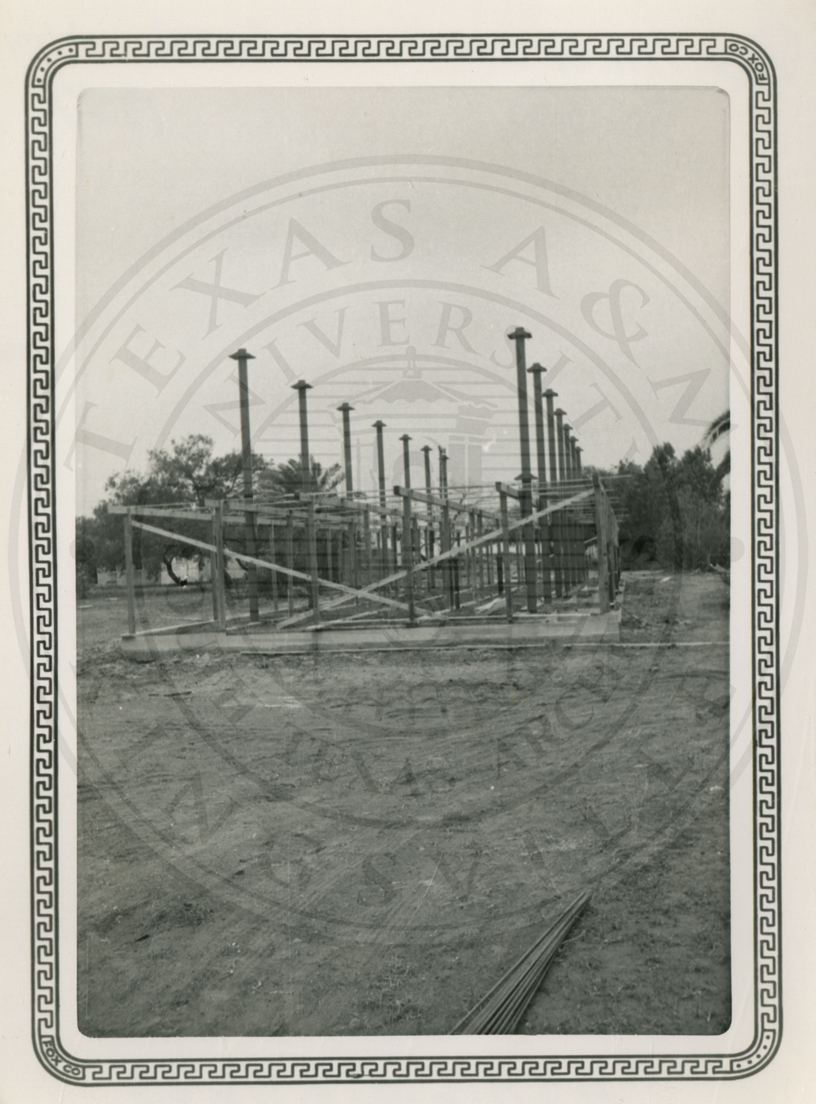
Hollow-tile dormitories of the 1920s, aerial photographs from 1959 and 1962, and the O’Neil Ford buildings that stand today.
The best single account of the school is James S. Currie’s Planting Trees: A History of Presbyterian Pan American School, which the school excerpts on its own site; the Handbook of Texas entries and the 2012 state historical marker fill in the numbers. This page adds what those sources cannot: the yearbooks themselves, page by page, from 1960 to 2018.